





Pallid Bat
antrozous pallidus
The Pallid Bat has soft, pale fur and big ears that help it hear tiny sounds. These bats are great at catching insects in the dark with their amazing flying skills!
Habitat: Deserts, rocky areas, and sometimes near forests.
The Pallid Bat has strikingly large ears and soft, pale yellowish-brown fur, making it blend into desert environments. Its wings are a darker brown, contrasting with its light body. It features a broad snout and small eyes, giving it a unique facial appearance.
Category
MammalsRarity
Common
Danger
0/5 · No known danger
Snaps
3
Pallid Bats often share their roosts with other bat species in caves.
Their huge ears can be almost as long as their entire body!
They famously snack on venomous scorpions, immune to their painful sting!
This bat doesn't use echolocation to find its main meals on the ground!
Pallid Bats can pinpoint ground-crawling prey using super-sensitive hearing because of their huge ears that help them hunt silently.
Pallid Bats have a special immunity to scorpion and centipede venom that helps them eat dangerous prey without harm.
Pallid Bats can walk and even run on the ground because of their strong hind legs that help them capture prey on foot.
These bats feast on creepy crawlies like scorpions and crickets, often hunting them right on the ground.
Hadrurus arizonensis
A primary prey item in its desert habitat.
Stagmomantis californica
Eats this ground-dwelling insect.

Bubo virginianus
A nocturnal predator that hunts bats.
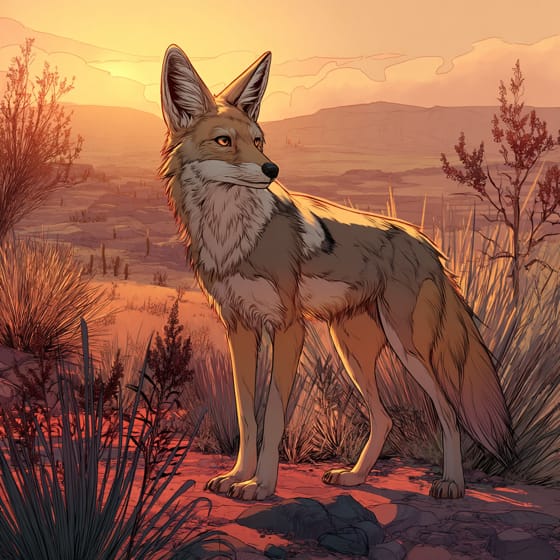
Canis latrans
Preys on bats, especially near roosts.

Prosopis glandulosa
Roosts in cavities in these trees.
Furry describes animals possessing a dense covering of soft hair or fur.
Solitary animals live alone for most of their lives, only interacting with others for mating or parental care.
Forest habitats are terrestrial environments dominated by dense tree cover, supporting a high diversity of plant and animal life.
This trait identifies organisms whose diet consists entirely or primarily of animal tissue.

Nocturnal animals are primarily active during the nighttime hours, typically resting or sleeping during the day.
Danger
0/5 · No known danger
No special safety notes yet.
The easiest way to identify Pallid Bat is to use the Snappit nature identifier app.
6-8 cm
35-40 cm
0.017-0.028 kg
8-12 years
30 km/h
These bats feast on creepy crawlies like scorpions and crickets, often hunting them right on the ground.
Deserts, rocky areas, and sometimes near forests.
Zoom in to split clusters and explore where this object has been snapped.

California, US
You might spot Western Fence Lizard and California Brittlebush.
View guide →

California, US
You might spot Western Fence Lizard, Duck, and California Brittlebush.
View guide →

California, US
You might spot Toyon, Mule Deer, and White Globe Lily.
View guide →

Texas, US
You might spot Field Bindweed and Purple Groundcherry.
View guide →

Arizona, US
You might spot Desert Cottontail, Yellow-Rumped Warbler, and Black Phoebe.
View guide →
Take the discovery with you
Snap it with Snappit to identify it, learn what makes it special, and add the discovery to your collection.




.jpg&width=800)


.JPG&width=800)



.jpg&width=800)
