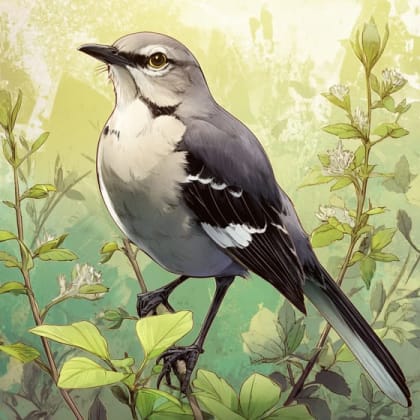
Greater Roadrunner

Perched majestically atop a bluff overlooking the shimmering Colorado River, Yuma Territorial Prison State Historic Park offers an unparalleled journey into the raw heart of the American Wild West, seamlessly blended with the serene beauty of the Sonoran Desert.
Perched majestically atop a bluff overlooking the shimmering Colorado River, Yuma Territorial Prison State Historic Park offers an unparalleled journey into the raw heart of the American Wild West, seamlessly blended with the serene beauty of the Sonoran Desert. Once dubbed the "Hellhole of the West," this iconic landmark, which opened its gates in 1876, confined over 3,000 inmates during its 33 years of operation. Today, it stands as a testament to Arizona's rugged past, inviting visitors to step back in time and explore a truly unique chapter of frontier justice amidst a landscape rich in both human and natural history.
The park provides a fascinating array of exhibits and experiences that illuminate the lives of both prisoners and staff. Wander through original granite cellblocks, confront the eerie solitude of the "Dark Cell," and explore the Sally Port, the prison's sole entry and exit point. Beyond the prison walls, the surrounding natural areas, including the Yuma East Wetlands, are vibrant habitats. Keep an eye out for diverse wildlife such as the swift Greater Roadrunner, the chattering Gila Woodpecker, or the vibrant Anna's Hummingbird flitting among native plants like the Frémont Cottonwood and western honey mesquite. The area is also a noted spot for observing avian species like the Osprey soaring overhead and the Yellow-rumped Warbler.
Visiting Yuma Territorial Prison State Historic Park is more than just a history lesson; it's an immersive experience that evokes reflection on justice, hardship, and resilience. With panoramic 360-degree views of Yuma and the Colorado River from the reconstructed guard tower, and the chance to connect with the unique desert ecosystem, it's a memorable destination for those seeking both historical intrigue and natural discovery. The stark beauty of the desert landscape, home to creatures like the Desert Cottontail and various lizards, provides a striking contrast to the grim tales of the prison, making for a truly captivating visit. Wondering what that bird or insect is? Find out on your visit using the Snappit nature app.
The Yuma Territorial Prison was authorized in 1875, with ground broken on April 28, 1876. The first seven inmates, some of whom were pressed into service to build their own cells, arrived on July 1, 1876. During its 33 years of operation, the prison housed over 3,000 law violators, including the notorious stagecoach robber Pearl Hart. The facility gained a formidable reputation, earning the nickname "Hellhole of the West" due to the harsh desert conditions and the nature of incarceration. Overcrowding led to its closure in 1909, with inmates transferred to a new facility in Florence, Arizona. After its tenure as a prison, the site served various community needs; from 1910 to 1914, it functioned as Yuma Union High School after a fire damaged their original building, with the school's athletic teams famously adopting the name "The Criminals." It was also used as a county hospital from 1914 to 1923 and provided shelter for the homeless during the Great Depression. The Yuma Territorial Prison State Historic Park officially opened to the public on a limited basis on January 1, 1961, preserving this significant piece of Arizona's past.
Walk through the actual strap iron cells to experience a prisoner's life.
Explore interpretive panels throughout the historic site.
Visit the visitor center and gift shop.
Enjoy a picnic with views of the Colorado River and California.
Take advantage of guided tours or video presentations for a deeper understanding.
Photograph desert wildlife and plants, such as the Ornate Tree Lizard, Creosote Bush, or Gambel's Quail, especially in the connected parklands.
November-March: Mild temperatures, comfortable for exploring.
April-May: Cacti are in bloom, but expect windy conditions.
June-August: Extremely hot, with temperatures often exceeding 110°F. July and August bring monsoon season with high humidity but little rain.
After winter/spring rains: Good chance to see Arizona wildflowers like Spanish needles and desert marigold.
The park features modern, handicap-accessible restrooms in the museum. Pathways within the park are generally well-maintained, but visitors should check with the park directly for specific mobility assistance needs on all trails.
Original Cellblocks and the "Dark Cell"
Reconstructed Guard Tower (offering 360-degree views of Yuma and the Colorado River)
Prison Museum (featuring artifacts, inmate stories, and a video presentation)
Sally Port (the original entry gate)
Each card links to a full Explore page with photos, traits, and fun facts.
Start with the big picture, then zoom in to explore individual wildlife observations around this place.
Wear comfortable shoes
There is a good amount of walking involved to explore the cellblocks, museum, and outdoor areas.
Stay hydrated
Especially during warmer months, bring plenty of water. Yuma is known for its high temperatures.
Visit in the cooler months
For the most comfortable experience, plan your trip between November and March.
Arrive early
If you want to take photos without crowds, consider arriving shortly after opening.
Explore the museum thoroughly
It contains a wealth of artifacts, inmate stories, and a video presentation that provides excellent context.
Check out the Yuma East Wetlands
Connected to the park, these wetlands are a fantastic spot for birdwatching and offer additional nature trails.
No pets allowed inside the park
Keep this in mind when planning your visit.
Jan 22, 2026
Oct 12, 2025
Aug 3, 2025
Aug 3, 2025
May 14, 2025

Maryland, US
You might spot White-Tailed Deer and Eastern Gray Squirrel.
View guide →
.jpg)
District of Columbia, US
You might spot Eastern Gray Squirrel, Duck, and House Sparrow.
View guide →

Illinois, US
You might spot American Robin, Canada Goose, and House Sparrow.
View guide →

Virginia, US
You might spot Spotted Lanternfly and Northern Cardinal.
View guide →
Take the discovery with you
Identify the wildlife you spot, learn as you go, and keep a collection of the adventure.