Greater Roadrunner

Mariscal Mine offers a captivating journey into Big Bend's rich mercury mining past.
Mariscal Mine offers a captivating journey into Big Bend's rich mercury mining past. Nestled deep within the vast expanse of Big Bend National Park, this National Register Historic District stands as a stark and remote testament to human perseverance and industry in the rugged Chihuahuan Desert. Once a bustling hub, the mine contributed nearly a quarter of all mercury produced in the United States between 1900 and 1943, playing a significant role in a lesser-known chapter of American history.
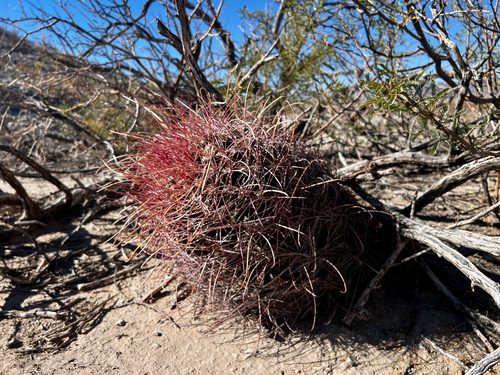
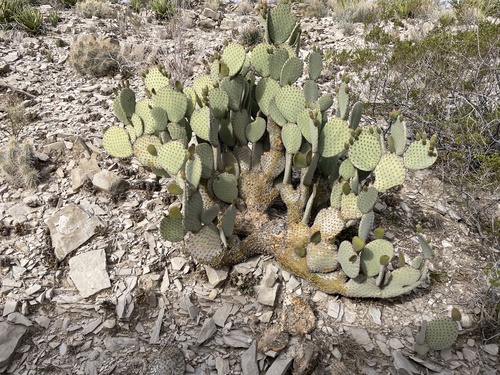
Visitors can explore the remarkable remnants of the mining operation, including the impressive Scott Furnace and its intricate concrete condenser system, which were central to processing the bright red cinnabar ore into liquid mercury. Scattered across the arid landscape are the foundations of housing ruins, providing a glimpse into the daily lives of the Mexican miners and their families who once called this remote place home. Barred mine shafts and an antique automobile skeleton add to the evocative atmosphere, all set against the backdrop of the unique geological formations of Mariscal Mountain and its characteristic desert flora like creosote bushes and prickly pear cacti.
A visit to Mariscal Mine is an immersive historical experience, inviting reflection on the challenges and ingenuity of those who sought fortune in this harsh environment. The profound solitude and panoramic desert vistas offer a dramatic contrast to the industrial ruins, creating a memorable destination for those who appreciate both natural beauty and the stories etched into the landscape. It is a powerful reminder of how nature reclaims its own, slowly weathering the structures of a bygone era. Wondering what that bird or insect is? Find out on your visit using the Snappit nature app.
The story of Mariscal Mine began in 1900 when local rancher Martin Solis discovered cinnabar, the mercury-bearing ore, in the area. This discovery ignited a period of intense mercury mining that would last for over four decades. After initial claims and operations by figures like Ed Lindsay and Isaac Sanger, the mine saw significant development under W.K. Ellis and later William "Billy" Burcham. Burcham, along with New York financiers, formed the Mariscal Mining Company in 1919, investing in modern equipment including the large Scott Furnace and a complex concrete condenser system to enhance efficiency. The mine flourished, employing 20-40 Mexican miners who built their homes from local rock and brush. However, declining mercury prices led to its closure in 1923. The mine experienced a brief resurgence during World War II under the Vivianna Mining Company, when demand for mercury in explosives manufacturing increased, but ultimately closed for good in 1943, just a year before the establishment of Big Bend National Park. The work was extremely hazardous, leading to mercury poisoning and chronic health issues for many miners.
Walk around the historical structures, imagining the mining process and the lives of the workers. Follow the path of the ore from extraction to refining. Enjoy the profound silence and expansive views of the Big Bend landscape. Photography is highly recommended.
Summer months bring extreme heat (often over 100°F/38°C) and the risk of flash floods that can render River Road impassable. Winter offers pleasant temperatures but requires checking for occasional cold fronts. Spring and fall provide a balance of comfortable weather, though wind can be a factor.
Mariscal Mine is in a very remote part of Big Bend National Park. Access is exclusively via the unpaved River Road, which requires a high-clearance vehicle at all times, and often a 4x4, especially after any rain. There is no public transportation directly to the site. The trails around the mine are unpaved, uneven, and rocky, making them challenging for those with mobility issues. All remaining structures are old, fragile, and unsafe to climb on, with mine shafts fenced or grated for safety.
The most prominent features are the well-preserved remains of the Scott Furnace and the extensive concrete condenser system used for mercury refining. Visitors can also explore the scattered housing ruins, observe the geological formations of Mariscal Mountain, and peer into barred mine shafts. The panoramic desert views are a highlight.
Each card links to a full Explore page with photos, traits, and fun facts.
Start with the big picture, then zoom in to explore individual wildlife observations around this place.
Vehicle Preparation
Ensure your vehicle has high clearance; a 4x4 is often necessary. Carry a spare tire and know how to change it, as help can be hours away.
Road Conditions
Crucially, always inquire about current River Road conditions at a Big Bend National Park Visitor Center before heading out. Conditions can change rapidly, especially after rain.
Water and Sun Protection
Bring significantly more water than you think you'll need, along with hats, sunglasses, and high-SPF sunscreen. There is virtually no shade at the mine site.
Footwear
Wear sturdy, closed-toe hiking boots or shoes to navigate the rocky, uneven terrain around the ruins.
Respect the History & Environment
Stay off all structures, do not collect any artifacts or rocks, and be mindful that the area is an archaeological site. Observe all posted safety warnings, especially regarding mine shafts and handling materials.
Timing Your Visit
Consider visiting in the early morning or late afternoon to experience cooler temperatures and enjoy the beautiful desert light for photography.
Jan 10, 2026
Photo attribution
(c) Clifton Ladd, C.W.B., some rights reserved (CC BY)
License: CC BY 4.0 ↗
Image may be shown cropped inside the card frame.
Mar 29, 2023
Photo attribution
(c) Adam Cohen, some rights reserved (CC BY)
License: CC BY 4.0 ↗
Image may be shown cropped inside the card frame.
Oct 27, 2022
Photo attribution
(c) Jared Shorma, some rights reserved (CC BY)
License: CC BY 4.0 ↗
Image may be shown cropped inside the card frame.
Oct 27, 2022
Photo attribution
(c) Jared Shorma, some rights reserved (CC BY)
License: CC BY 4.0 ↗
Image may be shown cropped inside the card frame.
Mar 8, 2022
Photo attribution
(c) Claire, some rights reserved (CC BY)
License: CC BY 4.0 ↗
Image may be shown cropped inside the card frame.

Maryland, US
You might spot White-Tailed Deer and Eastern Gray Squirrel.
View guide →
.jpg)
District of Columbia, US
You might spot Eastern Gray Squirrel, Duck, and House Sparrow.
View guide →

Illinois, US
You might spot American Robin, Canada Goose, and House Sparrow.
View guide →

Virginia, US
You might spot Spotted Lanternfly and Northern Cardinal.
View guide →
Take the discovery with you
Identify the wildlife you spot, learn as you go, and keep a collection of the adventure.