





Pallidefulva-Group Field Ants
formica pallidefulva
Pallidefulva-Group Field Ants are small, hardworking insects that live in large colonies. They are known for their teamwork and can be seen carrying food back to their nests.
Habitat: Pallidefulva-Group Field Ants live in fields, gardens, and forests, often in sandy or loose soil.
The Pallidefulva-Group Field Ants has a uniform reddish-yellow to dark reddish-brown body. They are generally unicolored, lacking distinct markings or patterns found on some other ant species. Their matte appearance sets them apart from shinier ants.
Category
InsectsRarity
Common
Danger
1/5 · Very low
Snaps
1
Field ants are crucial "gardeners" of the soil, helping plants grow by turning it over!
Some field ant nests are so big, they can have dozens of entrances above ground!
Their queen can live over 15 years, starting a whole new city of ants from scratch!
These ants use formic acid like a tiny squirt gun to defend their colony from enemies!
Pallidefulva-Group Field Ants use invisible scent trails called pheromones that helps them communicate and find food together.
Pallidefulva-Group Field Ants has a sweet tooth, often 'milking' aphids for their sugary honeydew, a special liquid treat.
Pallidefulva-Group Field Ants can construct elaborate underground nests with many chambers that helps shelter their large colonies.
These ants are omnivores, eating both tiny insects and sweet honeydew from aphids or plant juices.
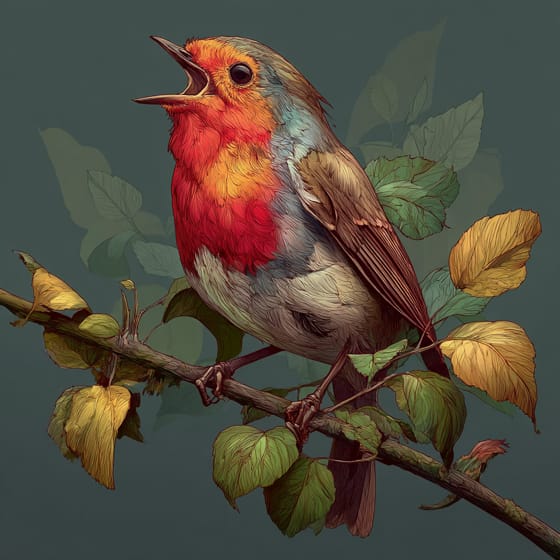
Turdus migratorius
A common meal for many birds.

Aphis nerii
Ants protect them for sugary honeydew.

Phrynosoma cornutum
A specialized ant predator.
Myrmeleon crudelis
Antlion larvae trap ants in sand pits.
Social animals live in organized groups, cooperating for survival benefits such as foraging, defense, and raising offspring.
Burrowing animals dig tunnels and chambers in the ground, using these subterranean structures for shelter, hunting, or breeding.
This trait identifies organisms whose diet consists entirely or primarily of animal tissue.
Diurnal animals are primarily active during daylight hours, typically resting or sleeping at night.

Describes organisms that transfer pollen, enabling the fertilization and reproduction of plants.
Danger
1/5 · Very low
Be careful not to disturb their nests, as they can bite if threatened.
The easiest way to identify Pallidefulva-Group Field Ants is to use the Snappit nature identifier app.
3-7 mm
60-300 days
These ants are omnivores, eating both tiny insects and sweet honeydew from aphids or plant juices.
Pallidefulva-Group Field Ants live in fields, gardens, and forests, often in sandy or loose soil.
Foraging
6
500-10000
Zoom in to split clusters and explore where this object has been snapped.
Take the discovery with you
Snap it with Snappit to identify it, learn what makes it special, and add the discovery to your collection.









.jpg&width=800)




