





panicled willowherb
Epilobium brachycarpum
Panicled willowherb is a pretty flower that grows tall with many small pink blooms. It loves to grow in sunny places and can often be found near water, making it a lovely sight in nature.
Habitat: Wetlands
The panicled willowherb has slender, often reddish stems with narrow, toothless leaves. Its tiny, pale pink to purplish flowers bloom in a loose, open cluster at the top, making it look delicate and airy compared to other, more densely flowered willowherbs.
Category
PlantsRarity
Common
Danger
1/5 · Very low
Snaps
1
After a forest fire, this plant is often one of the very first to sprout, helping nature recover!
Even though its flowers are smaller than your fingernail, the plant itself can sometimes grow taller than you!
Its incredibly tiny seeds are covered in fluffy white hairs, letting them drift on the breeze like mini parachutes!
Young leaves and shoots are sometimes eaten by people, making it a secret wilderness snack!
Panicled willowherb has fluffy 'parachute' seeds that catch the wind, helping them travel far and colonize new open areas.
Panicled willowherb can quickly grow in disturbed areas like recent wildfires, helping to stabilize the soil and pave the way for other plants.
Panicled willowherb can grow quickly from seed to flower in just one season, ensuring it reproduces before conditions change.
Apis mellifera
Feeds on nectar, helping transfer pollen.
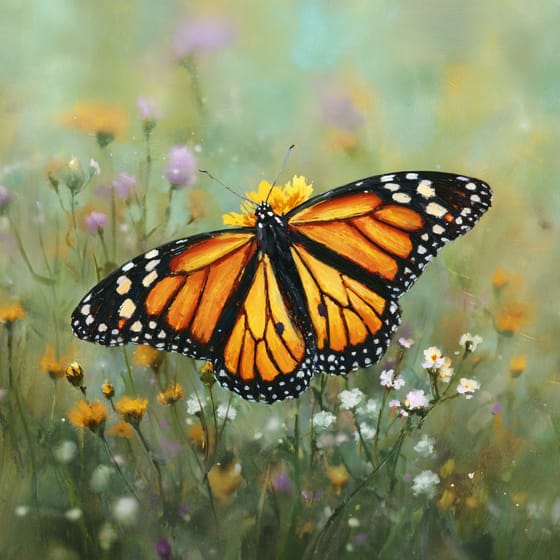
Danaus plexippus
Visits flowers for nectar, aiding in plant reproduction.
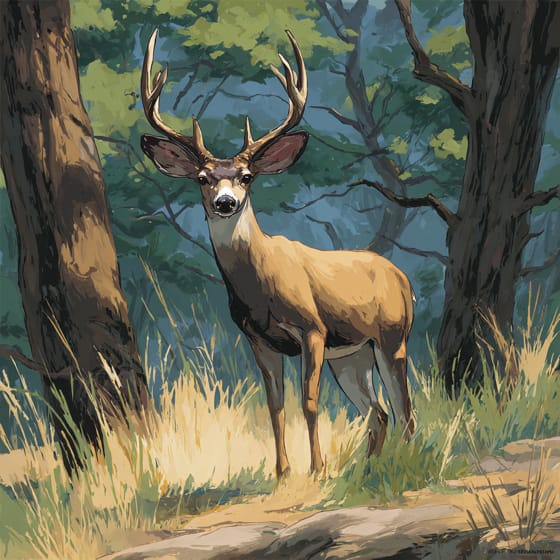
Odocoileus hemionus
Browses on its tender leaves and stems.
.jpg&width=800)
Loxia curvirostra
Feeds on the small seeds found in the capsules.
Flowering plants are any plants that produce flowers as part of their reproductive cycle.
Summer blooming plants produce their flowers during the summer season, often providing vibrant color when many other plants have finished.
Colorful describes organisms or objects displaying a wide range of bright and distinct colors.
Describes plants that are particularly attractive and beneficial to a wide range of pollinating organisms.

Rapid growing plants exhibit accelerated growth rates, quickly increasing in size and biomass within a short period.

This habitat trait identifies species found in wetlands, which are areas of land saturated with water, either permanently or seasonally, including marshes, swamps, and bogs.
No aliases listed yet.
Danger
1/5 · Very low
Always look but don't touch wild plants unless a grown-up says it's okay.
The easiest way to identify panicled willowherb is to use the Snappit nature identifier app.
30-150 cm
15-30 cm
0.5-1 cm
Summer to fall
Yes
None
Annual
Zoom in to split clusters and explore where this object has been snapped.

California, US
You might spot Western Fence Lizard and California Brittlebush.
View guide →

California, US
You might spot Western Fence Lizard, Duck, and California Brittlebush.
View guide →

California, US
You might spot Ant, Chimpanzee, and African Lion.
View guide →
Take the discovery with you
Snap it with Snappit to identify it, learn what makes it special, and add the discovery to your collection.








.jpg&width=800)



_001.jpg&width=800)




