.jpg&width=800)





Red Crossbill
Loxia curvirostra
The Red Crossbill is a special bird known for its unique crossed beak. This helps it crack open pine cones to eat the seeds inside. They are often found in forests and are very social birds.
Habitat: Forests
The Red Crossbill has a unique beak where the upper and lower mandibles cross, a key identifier. Males are mostly brick-red with darker wings and tail, while females have yellowish-olive bodies. This unusual bill helps them stand out from other birds.
Category
BirdsRarity
Common
Danger
1/5 · Very low
Snaps
3
Crossbills can breed in winter's cold, raising chicks when snow still covers the ground!
Did you know Red Crossbills sometimes hang upside down like bats to get to tricky seeds?
Each type of Crossbill has its own unique call, like different secret codes!
They are "nomads of the sky," traveling far to find the best cone crops each year!
Red Crossbills have the ability to nest and breed almost any time of year when there's plenty of food, helping their babies thrive.
Red Crossbills can develop different bill shapes adapted to efficiently open specific conifer cones, helping them specialize.
They mostly munch on seeds from pine, spruce, and fir cones, using their unique beak to get them out!
Feathered describes animals, primarily birds, possessing a covering of feathers.
Social animals live in organized groups, cooperating for survival benefits such as foraging, defense, and raising offspring.
Singing animals produce complex vocalizations, often for purposes of attracting mates, defending territory, or communicating within their species.
This trait characterizes organisms whose diet consists entirely or primarily of plant material.

Forest habitats are terrestrial environments dominated by dense tree cover, supporting a high diversity of plant and animal life.

Diurnal animals are primarily active during daylight hours, typically resting or sleeping at night.
No aliases listed yet.
Danger
1/5 · Very low
Enjoy watching birds from a distance, and don't try to touch or catch them.
The easiest way to identify Red Crossbill is to use the Snappit nature identifier app.
13-18 cm
27-31 cm
0.025-0.045 kg
2-7 years
45 km/h
They mostly munch on seeds from pine, spruce, and fir cones, using their unique beak to get them out!
Forests
Zoom in to split clusters and explore where this object has been snapped.

Wyoming, US
You might spot Moose, Arrowleaf Balsamroot, and Black Bear.
View guide →

South Dakota, US
You might spot Wood Duck, Tansy, and Mountain Goat.
View guide →
North Dakota, US
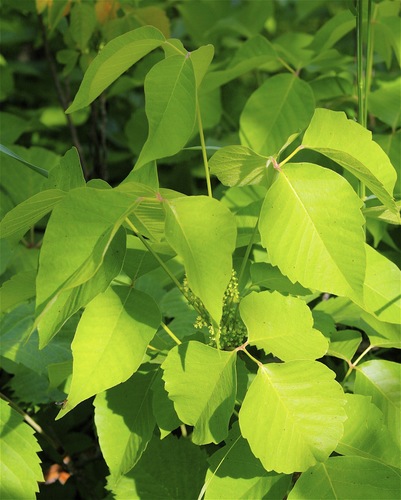
You might spot Western Poison Ivy, Wild Licorice, and Leadplant.
View guide →
Wyoming, US
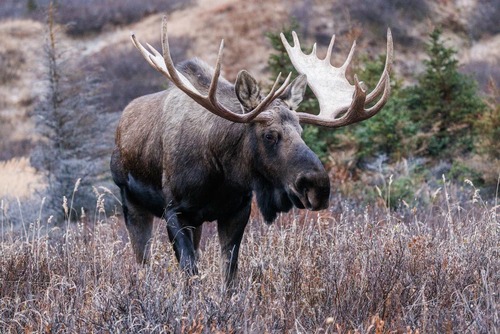
You might spot Moose, Black Bear, and Sticky Geranium.
View guide →

Pennsylvania, US
You might spot Grey Alder, Sensitive Fern, and Interrupted Clubmoss.
View guide →
.jpg)
South Dakota, US
You might spot Least Chipmunk and Rocky Mountains Ponderosa Pine.
View guide →
Take the discovery with you
Snap it with Snappit to identify it, learn what makes it special, and add the discovery to your collection.





.jpg&width=800)







