





Parry's beardtongue
Penstemon parryi
Parry's beardtongue is a beautiful flower with bright purple blooms. It grows in rocky places and attracts bees and butterflies, making it a lovely sight in nature.
Habitat: Mountain regions
The Parry's beardtongue has tall, slender stems topped with vibrant rose-pink to purple, trumpet-shaped flowers. Its blooms stand out with two distinct lips and a fuzzy 'tongue' inside, making it visually unique.
Category
PlantsRarity
Common
Danger
1/5 · Very low
Snaps
Be the first to snap!
It loves growing in rocky, sandy soils, thriving where many plants struggle to survive!
Its 'beardtongue' isn't a real tongue, but a fuzzy sterile stamen that helps guide pollinators!
Some native bees are so specialized they only visit certain Penstemon flowers for nectar!
This desert beauty can grow up to a meter tall, towering over many other wildflowers!
Parry's beardtongue has a strong taproot that helps it reach deep water sources to survive in dry desert environments.
Parry's beardtongue can grow fuzzy hairs on its leaves and stems, which helps protect it from the intense desert sun.
Parry's beardtongue has bright, colorful flowers that act like a beacon, attracting specific long-tongued bees for pollination.
Bombus vosnesenskii
Visits flowers for nectar and pollen.

Archilochus alexandri
Feeds on nectar, aiding flower reproduction.
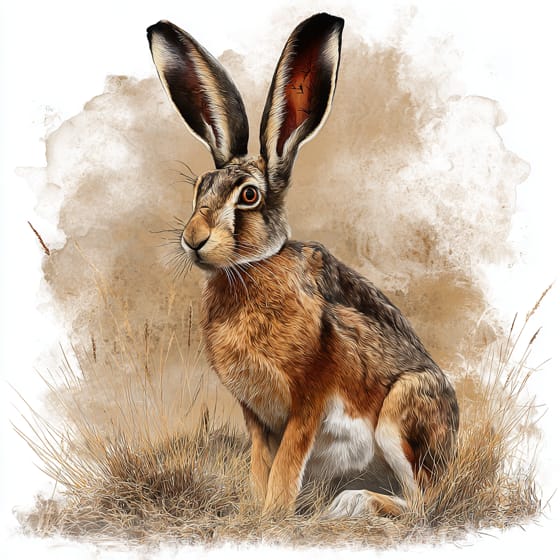
Lepus californicus
Jackrabbits may browse its leaves and stems.
Flowering plants are any plants that produce flowers as part of their reproductive cycle.
Spring blooming plants produce their flowers during the spring season, often signifying the end of winter and the start of new growth.
A tube flower has petals fused together at the base, forming a distinct tubular structure that typically holds nectar deep within.
Colorful describes organisms or objects displaying a wide range of bright and distinct colors.

Describes plants that are particularly attractive and beneficial to a wide range of pollinating organisms.

This habitat trait identifies species found in mountainous regions, characterized by high elevation, steep slopes, and varying climate zones.
No aliases listed yet.
Danger
1/5 · Very low
Always look but don't touch flowers unless an adult says it's okay.
The easiest way to identify Parry's beardtongue is to use the Snappit nature identifier app.
30-100 cm
30-60 cm
2-3 cm
Spring to early summer
No
None
Perennial
Zoom in to split clusters and explore where this object has been snapped.
Recent snaps will appear here as new observations are added.
Take the discovery with you
Snap it with Snappit to identify it, learn what makes it special, and add the discovery to your collection.








.jpg&width=800)



_001.jpg&width=800)




