





Partridgefoot
Luetkea pectinata
Partridgefoot is a small, unique plant with pretty leaves that look like little feet! It grows in cool, shady places and is often found in forests and mountains.
Habitat: Mountain regions
The Partridgefoot is a low-growing plant forming dense mats, featuring striking feathery, fern-like leaves. Its delicate white flowers grow in slender, spiky clusters, rising above the foliage like tiny bottlebrushes in the alpine landscape.
Category
PlantsRarity
Common
Danger
1/5 · Very low
Snaps
Be the first to snap!
It often thrives above the tree line, surviving where most plants can't even dream of growing!
Its scientific name "Luetkea" honors a brave Russian explorer who mapped icy northern lands!
Its unique leaves give it the common name Partridgefoot, resembling tiny bird feet!
This tough little plant creates its own mini-forests, forming dense mats that can be decades old.
Partridgefoot can survive freezing temperatures and harsh winds that help it thrive in cold mountain environments.
Partridgefoot has a mat-forming growth habit that helps it cling to rocky slopes and prevent soil erosion.
Partridgefoot has fine, feathery leaves that help it trap moisture from the air in dry, windy conditions.
Bombus melanopygus
Buzzes around, collecting nectar and spreading pollen.
.jpg&width=800)
Marmota caligata
A furry mountain resident that munches on its leaves.
Eristalis tenax
A common hoverfly that helps spread its tiny pollen grains.
Deciduous plants periodically shed all their leaves, typically during autumn or dry seasons.
Flowering plants are any plants that produce flowers as part of their reproductive cycle.
Ornamental plants are cultivated primarily for their aesthetic appeal, enhancing landscapes and gardens with their attractive foliage, flowers, or form.
Shade tolerant plants are adapted to grow and thrive in areas with low light levels, requiring less direct sunlight.

Medicinal plants possess chemical compounds that can be used for therapeutic purposes to treat illnesses or maintain health.

Describes plants that are particularly attractive and beneficial to a wide range of pollinating organisms.

This habitat trait identifies species found in mountainous regions, characterized by high elevation, steep slopes, and varying climate zones.

Forest habitats are terrestrial environments dominated by dense tree cover, supporting a high diversity of plant and animal life.

Threatened status denotes a species likely to become endangered in the foreseeable future without effective conservation interventions.
No aliases listed yet.
Danger
1/5 · Very low
Always look but don't touch plants unless you know they are safe.
The easiest way to identify Partridgefoot is to use the Snappit nature identifier app.
5-20 cm
10-30 cm
0.3-0.5 cm
Summer
No
None
Perennial
Zoom in to split clusters and explore where this object has been snapped.
Recent snaps will appear here as new observations are added.
British Columbia, CA
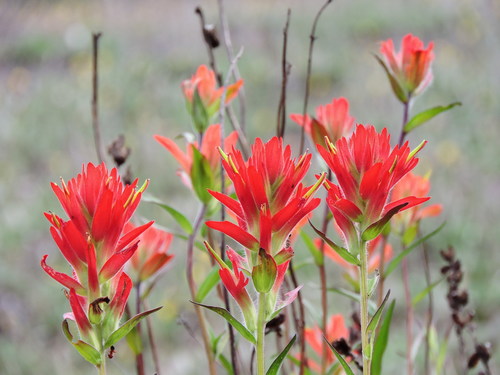
You might spot Giant Red Paintbrush, Lupines, and Broadleaf Arnica.
View guide →

British Columbia, CA
You might spot White Twisted-Stalk and Western Skunk Cabbage.
View guide →

Washington, US
You might spot White Pasqueflower, Pearly Everlasting, and Avalanche Lily.
View guide →

British Columbia, CA
You might spot Canada Jay, Pink Mountainheath, and Yellow-Pine Chipmunk.
View guide →
Take the discovery with you
Snap it with Snappit to identify it, learn what makes it special, and add the discovery to your collection.






.jpg&width=800)



_001.jpg&width=800)



