





Peacock Fly
callopistromyia annulipes
The Peacock Fly is a colorful insect that can be found fluttering around flowers. With its vibrant patterns, it's like a tiny piece of art in nature!
Habitat: Meadows, gardens, and parks.
The Peacock Fly has intricate, clear and dark banded wings with iridescent blue-green spots that mimic eyes. Its slender legs are distinctly banded with black and white, contrasting with its small, compact, dark body.
Category
InsectsRarity
Common
Danger
0/5 · No known danger
Snaps
1
Baby Peacock Flies live hidden inside rotting wood, munching away!
Its stunning wing patterns and movements earned it the 'Peacock' name!
Males perform a mesmerizing 'dance' with their wings to attract a mate!
They wiggle their banded legs, making them look like dangerous spiders!
Peacock Fly can wave its distinctively patterned wings in a mesmerizing dance, which helps them communicate and deter predators.
Peacock Fly has iridescent blue-green spots on its wings that look like eyes, which helps them startle predators.
Peacock Fly larvae can tunnel and feed inside decaying wood, which helps them access nutrients and stay protected.
Adults sip tree sap and nectar, while larvae enjoy dining inside decaying wood!
Age differences: Larvae consume decaying wood, while adults feed on plant secretions like sap and nectar.
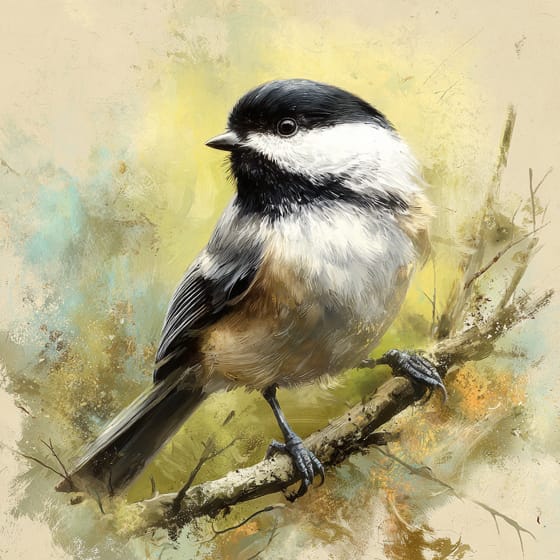
Poecile atricapillus
Chickadees are common bird predators of small insects, including flies.
Araneus diadematus
Many spider species, like orb-weavers, trap flies in their sticky webs.

Acer saccharum
Adult Peacock Flies feed on the sap of various deciduous trees.
Social animals live in organized groups, cooperating for survival benefits such as foraging, defense, and raising offspring.
Solitary animals live alone for most of their lives, only interacting with others for mating or parental care.
Colorful describes organisms or objects displaying a wide range of bright and distinct colors.
Diurnal animals are primarily active during daylight hours, typically resting or sleeping at night.

Describes organisms that transfer pollen, enabling the fertilization and reproduction of plants.
Danger
0/5 · No known danger
No special safety notes yet.
The easiest way to identify Peacock Fly is to use the Snappit nature identifier app.
8-12 mm
4-6 mm
10-30 days
Adults sip tree sap and nectar, while larvae enjoy dining inside decaying wood!
Meadows, gardens, and parks.
Foraging
6
Zoom in to split clusters and explore where this object has been snapped.

Washington, US
You might spot Arrowleaf Balsamroot and Canada Goose.
View guide →
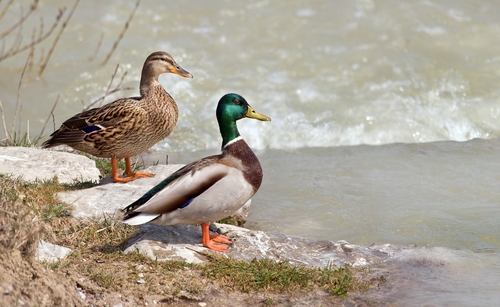
Washington, US
You might spot Duck, Yellow-Bellied Marmot, and Canada Goose.
View guide →

Washington, US
You might spot Eastern Gray Squirrel, Yellow-Bellied Marmot, and Duck.
View guide →
Take the discovery with you
Snap it with Snappit to identify it, learn what makes it special, and add the discovery to your collection.








.jpg&width=800)



