





Pennsylvania Pellitory
parietaria pensylvanica
The Pennsylvania Pellitory is a small, green plant that loves to grow in shady spots. Its tiny flowers are a great place for butterflies and bees to visit!
Habitat: Typically found in urban areas, gardens, and along roadsides.
The Pennsylvania Pellitory has slender, often reddish stems covered in fine hairs, and bright green, oval-shaped leaves that grow alternately. Its tiny, greenish-white flowers are inconspicuous, clustered directly in the axils where leaves meet the stem, blending in with the foliage.
Category
PlantsRarity
Common
Danger
1/5 · Very low
Snaps
7
Its leaves feel like nature's Velcro, thanks to thousands of tiny, hooked hairs!
It’s sometimes called 'clearweed' because its stems don't ooze a milky sap when broken!
Pennsylvania Pellitory seeds are super sticky, hitching free rides on passing animals!
This plant can 'sneeze' its pollen with explosive force, sending tiny clouds into the air!
Pennsylvania Pellitory has tiny, hooked hairs that help it cling to surfaces, and its green flowers blend right in to avoid being easily spotted.
Pennsylvania Pellitory can grow in the tiniest cracks of walls and sidewalks, allowing it to colonize urban spaces where other plants can't.
Pennsylvania Pellitory produces many seeds quickly, helping it rapidly establish itself in new, disturbed areas before competitors arrive.

Odocoileus virginianus
Deer browse on its tender leaves and stems.
Spilosoma virginica
Its caterpillars munch on the leaves.
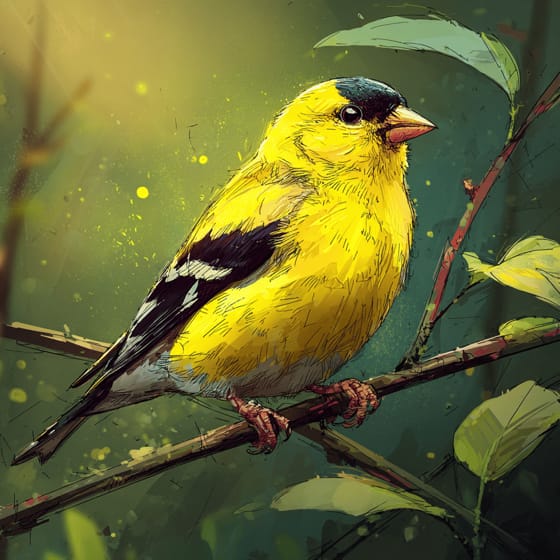
Carduelis tristis
These birds enjoy feasting on its tiny seeds.
Colorful describes organisms or objects displaying a wide range of bright and distinct colors.
This trait characterizes organisms whose diet consists entirely or primarily of plant material.
Forest habitats are terrestrial environments dominated by dense tree cover, supporting a high diversity of plant and animal life.
Diurnal animals are primarily active during daylight hours, typically resting or sleeping at night.

Describes organisms that transfer pollen, enabling the fertilization and reproduction of plants.
Danger
1/5 · Very low
Always wash your hands after touching plants.
The easiest way to identify Pennsylvania Pellitory is to use the Snappit nature identifier app.
10-40 cm
5-20 cm
0.1-0.2 cm
Summer
Yes
None
Annual
Zoom in to split clusters and explore where this object has been snapped.

Rhode Island, US
You might spot Spotted Lanternfly, Duck, and American Robin.
View guide →

Rhode Island, US
You might spot Spotted Lanternfly, Duck, and American Robin.
View guide →

New York, US
You might spot Rock Pigeon, American Robin, and Spotted Lanternfly.
View guide →

Rhode Island, US
You might spot Spotted Lanternfly, American Robin, and Duck.
View guide →

Rhode Island, US
You might spot Spotted Lanternfly, American Robin, and Duck.
View guide →

Rhode Island, US
You might spot Spotted Lanternfly, Duck, and American Robin.
View guide →
Take the discovery with you
Snap it with Snappit to identify it, learn what makes it special, and add the discovery to your collection.








.jpg&width=800)



_001.jpg&width=800)




