





Perdido Key beach mouse
Peromyscus polionotus trissyllepsis
The Perdido Key beach mouse is a tiny, cute mouse that lives in sandy areas near the beach. It has soft fur and loves to dig in the sand to find food and make its home.
Habitat: Coastal areas
The Perdido Key beach mouse has pale, sandy-colored fur, with a white belly and white feet, perfectly camouflaging it against the white dunes. It is a tiny rodent with a relatively long, light-colored tail.
Category
MammalsRarity
Rare
Danger
1/5 · Very low
Snaps
Be the first to snap!
Baby beach mice are born blind and helpless, needing their mom's care!
Their homes are complex burrows, sometimes with many tunnels and exits!
These mice live on one tiny stretch of beach, found nowhere else!
They are nocturnal, active mostly when the sun goes down!
Perdido Key beach mouse has light, sandy fur, perfectly blending into white dunes to hide from hungry predators.
Perdido Key beach mouse can dig speedy burrows in the loose sand, creating safe homes and escape routes.
Perdido Key beach mouse has excellent night vision, helping them find food and avoid danger in the dark.
These tiny foragers mostly eat seeds and fruits from dune plants, sometimes munching on insects!

Bubo virginianus
hunts Perdido Key beach mouse for food, especially at night.
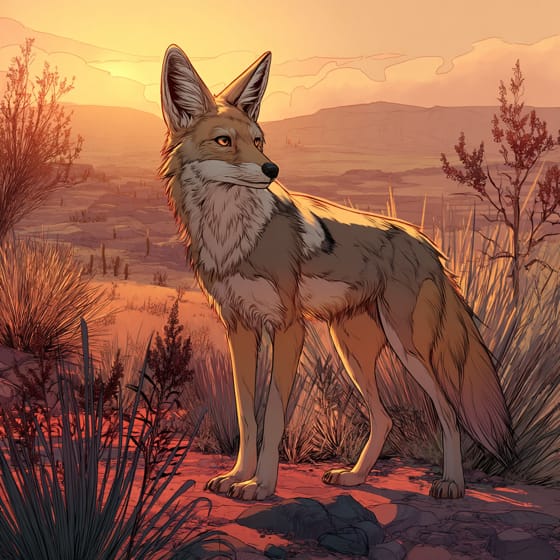
Canis latrans
hunts Perdido Key beach mouse, a common food source in dune areas.
.jpg&width=800)
Uniola paniculata
provides seeds and cover, vital for Perdido Key beach mouse survival.
Coluber constrictor
hunts Perdido Key beach mouse in coastal habitats.
Furry describes animals possessing a dense covering of soft hair or fur.
Burrowing animals dig tunnels and chambers in the ground, using these subterranean structures for shelter, hunting, or breeding.
Camouflaged describes organisms that possess coloring or patterns that allow them to blend into their environment.
This trait characterizes organisms whose diet consists entirely or primarily of plant material.

Coastal habitats are dynamic environments located along the interface between land and sea, influenced by tides, waves, and saltwater.

Nocturnal animals are primarily active during the nighttime hours, typically resting or sleeping during the day.

Endangered status indicates a species is at a very high risk of extinction in the wild in the near future.
No aliases listed yet.
Danger
1/5 · Very low
If you see a mouse in the wild, it's best to watch it from a distance and not touch it.
The easiest way to identify Perdido Key beach mouse is to use the Snappit nature identifier app.
7-9 cm
0.01-0.025 kg
1-2 years
12 km/h
These tiny foragers mostly eat seeds and fruits from dune plants, sometimes munching on insects!
Coastal areas
Foraging
Zoom in to split clusters and explore where this object has been snapped.
Recent snaps will appear here as new observations are added.
Take the discovery with you
Snap it with Snappit to identify it, learn what makes it special, and add the discovery to your collection.




.jpg&width=800)



.JPG&width=800)

.jpg&width=800)
