.jpg&width=800)




sea oats
Uniola paniculata
Sea oats are tall, grassy plants that grow along sandy beaches. They help keep the sand in place and are very important for the beach ecosystem.
Habitat: Coastal areas
The sea oats has tall, slender stalks with long, blade-like leaves that are often a blue-green color. Its most distinctive feature is the feathery, golden-brown seed head that appears in late summer, resembling the cereal grain oats.
Category
PlantsRarity
Common
Danger
1/5 · Very low
Snaps
1
Wow! In many places, it's illegal to pick sea oats because they are so important for beach protection!
Wow! Its tiny seeds can float in the ocean for weeks before finding a new beach to sprout!
Wow! Long ago, people sometimes ground sea oat seeds into a flour to bake bread!
Wow! This plant can grow up to 6 feet tall, making it a giant among beach grasses!
Sea oats has deep, extensive roots that hold sand in place, helping beaches survive strong winds and waves.
This plant can tolerate salty conditions, letting it thrive on ocean shores where many other plants cannot grow.
Sea oats can grow upwards even when buried by shifting sands, always reaching for sunlight to survive.
Peromyscus polionotus
eats the nutritious seeds

Passerculus sandwichensis
forages for seeds
Anolis carolinensis
hides among the leaves
Oryzomys palustris
builds nests in dense clumps
Flowering plants are any plants that produce flowers as part of their reproductive cycle.
Grass-like plants are herbaceous plants that visually resemble true grasses, typically having long, narrow leaves.
Evergreen plants retain their foliage throughout the year, never shedding all their leaves at once.
Salt tolerant plants can withstand and grow in conditions with elevated salinity levels in the soil or water.

Describes plants that are particularly attractive and beneficial to a wide range of pollinating organisms.

Rapid growing plants exhibit accelerated growth rates, quickly increasing in size and biomass within a short period.

Coastal habitats are dynamic environments located along the interface between land and sea, influenced by tides, waves, and saltwater.

Describes a species whose presence and role have a disproportionately large effect on its environment.
No aliases listed yet.
Danger
1/5 · Very low
Stay on paths and be gentle around plants to help them grow.
The easiest way to identify sea oats is to use the Snappit nature identifier app.
100-200 cm
30-60 cm
Summer-fall
No
None
Perennial
Wind
Zoom in to split clusters and explore where this object has been snapped.

Florida, US
You might spot Gorilla and Reticulated Giraffe.
View guide →

North Carolina, US
You might spot Firewheel, Domestic Horse, and Atlantic Horseshoe Crab.
View guide →
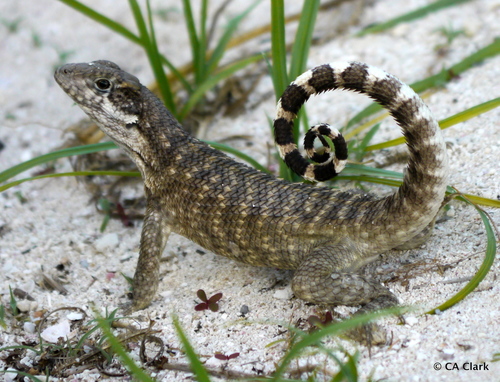
Florida, US
You might spot Northern Curly-Tailed Lizard and Green Iguana.
View guide →

Florida, US
You might spot False Rosemary, Florida Rosemary, and Sanderling.
View guide →

Florida, US
You might spot False Rosemary, Willet, and Florida Rosemary.
View guide →
Take the discovery with you
Snap it with Snappit to identify it, learn what makes it special, and add the discovery to your collection.








.jpg&width=800)



_001.jpg&width=800)



