




Perennial Sow Thistle
Sonchus arvensis
Perennial Sow Thistle is a leafy plant that grows in fields and gardens. It has bright yellow flowers that look like little suns and can grow tall, making it easy to spot!
Habitat: Grasslands
The Perennial Sow Thistle is a tall plant with bright yellow, dandelion-like flower heads. Its deeply lobed, often prickly-edged leaves clasp the stem, which contains a distinctive milky-white sap. This helps distinguish it from true thistles.
Category
PlantsRarity
Common
Danger
1/5 · Very low
Snaps
1
Even though it's called a 'thistle,' its spines are usually soft, unlike true thistles.
Its bright yellow flowers are like mini suns that track the sun across the sky!
The stem contains a milky sap that some ancient cultures used as a remedy.
This plant can grow back from a tiny piece of root, making it super tough!
Perennial Sow Thistle can spread far and wide using underground stems, helping it colonize new areas quickly.
Perennial Sow Thistle has a milky sap that helps it defend against hungry animals trying to eat its leaves.
Perennial Sow Thistle has a deep taproot that helps it find water and nutrients far underground, even in dry spots.
Perennial Sow Thistle produces many feathery seeds that help it spread easily by wind to distant locations.
Apis mellifera
Gathers nectar and pollen
Uroleucon sonchi
Sucks sap from stems
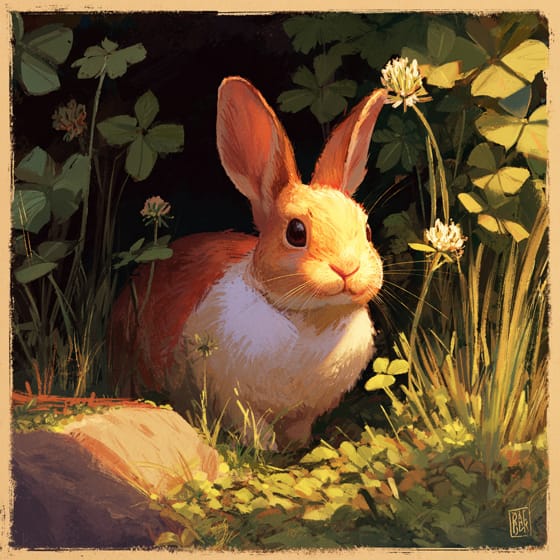
Oryctolagus cuniculus
Browses on leaves and stems

Vanessa cardui
Adult butterflies drink nectar
Flowering plants are any plants that produce flowers as part of their reproductive cycle.
Describes organisms capable of converting atmospheric nitrogen into compounds usable by plants.
Edible plants are those parts of a plant that are considered safe for human consumption.
Grassland habitats are terrestrial biomes dominated by grasses and herbaceous plants, supporting a variety of grazing animals.

Describes plants that are particularly attractive and beneficial to a wide range of pollinating organisms.

Rapid growing plants exhibit accelerated growth rates, quickly increasing in size and biomass within a short period.

Describes a relationship between two different species where they live in close association, often benefiting one or both.
No aliases listed yet.
Danger
1/5 · Very low
Always check with an adult before touching or eating any plants.
The easiest way to identify Perennial Sow Thistle is to use the Snappit nature identifier app.
50-150 cm
30-100 cm
2-3 cm
Summer-fall
Yes
None
Perennial
Zoom in to split clusters and explore where this object has been snapped.
Take the discovery with you
Snap it with Snappit to identify it, learn what makes it special, and add the discovery to your collection.









.jpg&width=800)



_001.jpg&width=800)



