





Pharaoh Cicada
Magicicada septendecim
The Pharaoh Cicada is a loud insect known for its buzzing song. They spend most of their lives underground and come out in big groups every 17 years to sing and mate!
Habitat: Forests
The Pharaoh Cicada has a sturdy black body, striking red eyes, and clear wings distinctly veined with orange. A small, dark "W" shape often marks their forewings, setting them apart visually.
Category
InsectsRarity
Common
Danger
1/5 · Very low
Snaps
1
After emerging, adults live just a few weeks to mate and lay eggs.
Millions can emerge at once, sometimes blanketing landscapes!
Their distinct wing marks were once believed to predict future wars!
They use tiny sensors on their legs to detect vibrations underground.
Pharaoh Cicadas have an astonishingly long life cycle that helps them avoid predators by emerging only every 17 years.
Pharaoh Cicadas have straw-like mouthparts that help them drink nourishing sap from the roots and branches of trees.
Pharaoh Cicadas can shed their entire outer skin as nymphs, allowing them to grow bigger underground.
Pharaoh Cicadas drink sap from tree roots and branches like tiny, living straws.
Age differences: Nymphs feed on root sap underground, adults feed on branch sap above ground.
Massospora cicadina
A special fungus infects and uses cicadas to spread its spores.

Quercus alba
Nymphs and adults drink sap from this common forest tree.
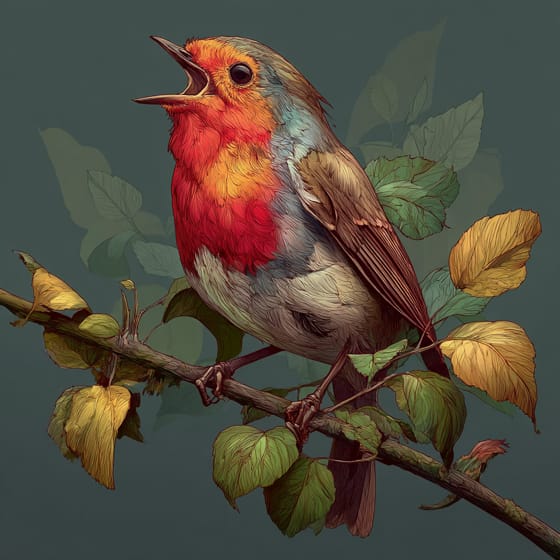
Turdus migratorius
Birds feast on easy-to-catch cicadas during mass emergences.

Procyon lotor
Raccoons also join the feast when cicadas emerge in large numbers.
Social animals live in organized groups, cooperating for survival benefits such as foraging, defense, and raising offspring.
Singing animals produce complex vocalizations, often for purposes of attracting mates, defending territory, or communicating within their species.
This trait characterizes organisms whose diet consists entirely or primarily of plant material.
This trait signifies organisms belonging to a very old evolutionary group with ancestors dating back millions of years.

Forest habitats are terrestrial environments dominated by dense tree cover, supporting a high diversity of plant and animal life.

This trait characterizes organisms with an exceptionally long lifespan compared to others of their kind.

Describes a species whose presence and role have a disproportionately large effect on its environment.
Danger
1/5 · Very low
Cicadas are harmless, but it's best to watch them from a distance.
The easiest way to identify Pharaoh Cicada is to use the Snappit nature identifier app.
50-60 mm
25-30 mm
28-42 days
5-8 km/h
Pharaoh Cicadas drink sap from tree roots and branches like tiny, living straws.
Forests
Foraging
Zoom in to split clusters and explore where this object has been snapped.

Maryland, US
You might spot Osprey, Duck, and Spotted Lanternfly.
View guide →

District of Columbia, US
You might spot Spotted Lanternfly and Eastern Gray Squirrel.
View guide →

Maryland, US
You might spot Duck, American Toad, and Eastern Bluebird.
View guide →

Maryland, US
You might spot White-Tailed Deer and Eastern Gray Squirrel.
View guide →

District of Columbia, US
You might spot Eastern Gray Squirrel, Spotted Lanternfly, and Duck.
View guide →

District of Columbia, US
You might spot Spotted Lanternfly and Eastern Gray Squirrel.
View guide →
Take the discovery with you
Snap it with Snappit to identify it, learn what makes it special, and add the discovery to your collection.








.jpg&width=800)


