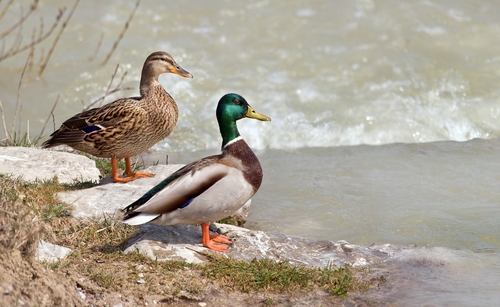
Duck
Elk Neck State Forest is a sprawling natural haven in Cecil County, Maryland, encompassing approximately 3,763 acres of diverse ecosystems.
Elk Neck State Forest is a sprawling natural haven in Cecil County, Maryland, encompassing approximately 3,763 acres of diverse ecosystems. This beautiful forest, distinct from Elk Neck State Park, provides a unique opportunity to immerse yourself in wooded flatland, rolling hills, and tranquil marshlands, all part of the Northeastern coastal forests ecoregion. It's a cherished spot for outdoor enthusiasts seeking quiet recreation and a deep connection with nature, offering free entry for most activities.
The forest is divided into several tracts, each offering distinct experiences. The Main Tract boasts an extensive network of foot and driveable dirt trails, including a segment of the historic Mason-Dixon Trail, leading to natural highlights like the Plum Creek Natural Area, known for its exceptional and rare pitch pine community and an understory of huckleberries and blueberries. Visitors can also explore the Arboretum Hiking Trail, showcasing 52 to 57 identified species of Maryland native shrubs and trees, providing an outdoor classroom for plant enthusiasts. Over 150 bird species have been reported here, making it a critical habitat for migrating passerines such as thrushes, warblers, and vireos, and a year-round home for iconic Bald Eagles.
Elk Neck State Forest is an ideal destination for those looking to hike, mountain bike, horseback ride, or engage in birdwatching. The Pete Bond Scenic Overlook offers expansive views across the treetops to the North East River, making it a memorable spot for photography and contemplation. Whether you're drawn to the vibrant spring migrations, the lush summer foliage, the dramatic colors of fall raptor migration, or the serene beauty of winter, this forest promises enriching encounters with Maryland's natural heritage. Planning to visit? Download the Snappit app to identify the wildlife you spot in real-time.
Elk Neck State Forest's history as a protected area began in 1936 with a significant gift of 2,404 acres from Jane Francis Mallen. The forest was initially planted in the 1940s as a demonstration forest with intentions of logging, but due to poor timber quality, it was never cut. In the late 1930s, a Civilian Conservation Corps (CCC) camp was established on the Black Hill Tract, where members worked on developing roads, trails, and boundary lines, contributing significantly to the forest's infrastructure. Before its designation as a state forest, the land had a long history of human activity. European settlers cleared the area for agriculture in the early 1700s. As the poor soils led to agricultural failure, the land reforested, but was repeatedly cut over to provide charcoal for iron furnaces in the region until the early 1900s. Eventually, the forest developed into the mature, diverse hardwood ecosystem seen today, offering a unique habitat in central Maryland. The Arboretum, a newer addition, was acquired in 2011, further enhancing the forest's educational and recreational offerings.
Hiking, mountain biking, horseback riding, birdwatching, nature photography, and utilizing the public shooting and archery ranges.
Spring & Fall: Peak seasons for bird migration, offering sightings of numerous species. Fall also brings impressive raptor migrations.
Hunting Seasons: Be aware that the forest is open for deer and other hunting, so visitors should plan accordingly and wear bright colors during hunting seasons.
Weather: Trails can be wet and muddy, especially after rain, so sturdy footwear is recommended. Forest roads may temporarily close during inclement weather.
The Main Tract offers some opportunities for birding from or near a car. A handicapped-accessible restroom is available at the target shooting range. The Arboretum's walking loop, however, may be too soft and irregular for wheelchairs.
Offers panoramic views of the North East River from an observation tower.
Explore unique pitch pine communities and an understory rich with huckleberries and blueberries.
A half-mile walking loop featuring 52-57 identified species of Maryland native trees and shrubs, perfect for botanical interest and outdoor education.
A section of this long-distance trail traverses the forest, providing opportunities for varied hiking experiences.
Each card links to a full Explore page with photos, traits, and fun facts.
































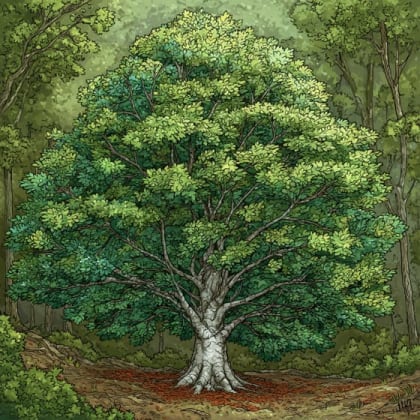





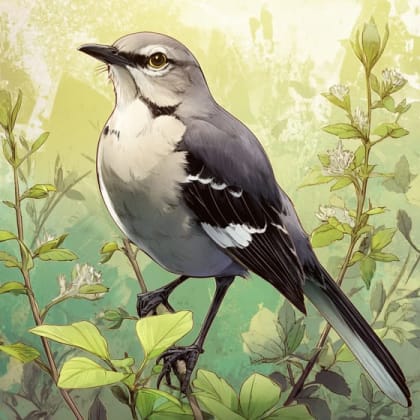












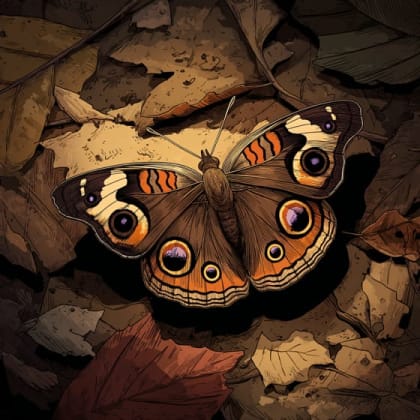


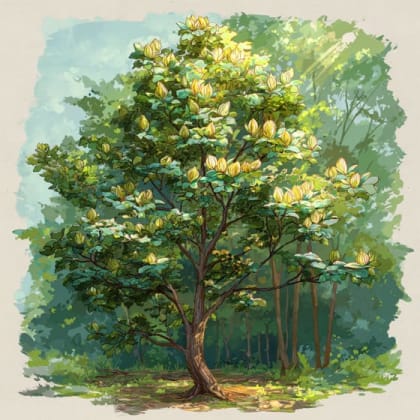

Start with the big picture, then zoom in to explore individual wildlife observations around this place.
Wear appropriate footwear
Trails can be muddy, especially after rain, so sturdy, waterproof hiking boots are highly recommended.
Be aware of hunting seasons
Elk Neck State Forest is open for hunting. Check the Maryland DNR website for hunting schedules and consider wearing bright colors for visibility during these times.
Bring binoculars
For birdwatching and enjoying distant views from overlooks, binoculars will significantly enhance your experience.
Practice Leave No Trace
The forest has a "Trash Free" policy, meaning all trash, including pet waste, must be packed out.
Check for road closures
Dirt roads within the forest may occasionally close due to weather damage; call the forest office for current conditions if planning to drive on interior roads.
Don't confuse with State Park
Remember Elk Neck State Forest is distinct from Elk Neck State Park; ensure you're heading to the correct location for your planned activities.
Apr 28, 2026
Photo attribution
(c) Tom Field, some rights reserved (CC BY)
License: CC BY 4.0 ↗
Image may be shown cropped inside the card frame.
Apr 28, 2026
Photo attribution
(c) Tom Field, some rights reserved (CC BY)
License: CC BY 4.0 ↗
Image may be shown cropped inside the card frame.
Jun 19, 2026
Jun 18, 2026
Jun 16, 2026

Maryland, US
You might spot White-Tailed Deer and Eastern Gray Squirrel.
View guide →
.jpg)
District of Columbia, US
You might spot Eastern Gray Squirrel, Duck, and House Sparrow.
View guide →

Illinois, US
You might spot American Robin, Canada Goose, and House Sparrow.
View guide →

Virginia, US
You might spot Spotted Lanternfly and Northern Cardinal.
View guide →
Take the discovery with you
Identify the wildlife you spot, learn as you go, and keep a collection of the adventure.