




Phlox
Phlox divaricata
Phlox is a beautiful flowering plant with clusters of colorful blossoms. It attracts butterflies and bees with its sweet scent and vibrant colors, making gardens look like a rainbow.
Habitat: Gardens, Forests
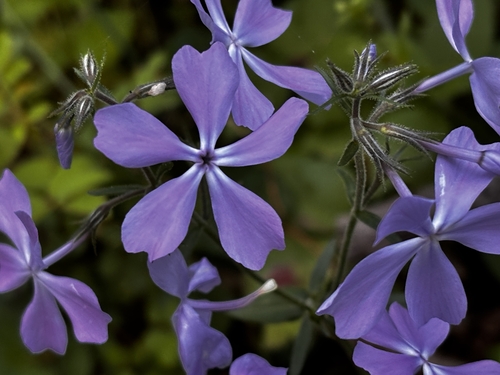
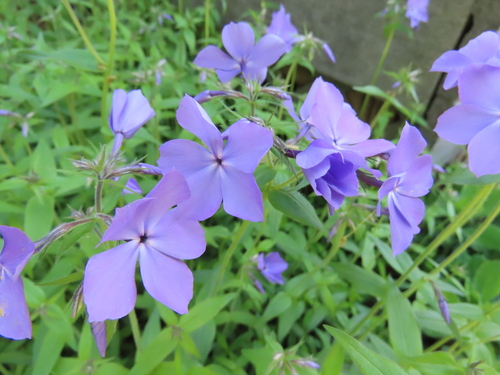
The Phlox has clusters of delicate, five-petaled, star-shaped flowers that bloom in vibrant shades of pink, purple, blue, and white. Its slender stems bear narrow, lance-shaped leaves, creating a soft, colorful display in gardens and woodlands.
Category
PlantsRarity
Common
Danger
1/5 · Very low
Snaps
23
Many wild Phlox species are native to North America, thriving in woodlands and meadows!
Some Phlox flowers glow under UV light, making them even more visible to insect pollinators!
The name "Phlox" comes from a Greek word meaning "flame," referring to some species' fiery colors!
Tiny hummingbirds love to sip sweet nectar from the tall, colorful flowers of garden phlox.
Phlox can release a sweet fragrance, often at dusk, to attract nocturnal moths and other insects for pollination.
Phlox has vibrant, diverse flower colors that act as visual signals, guiding various daytime pollinators to its nectar.
Some Phlox can spread by creeping stems, allowing them to form dense mats which helps them outcompete weeds and cover ground.
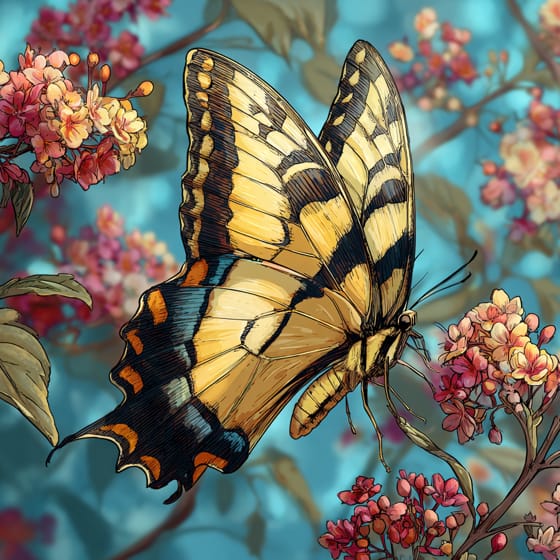
Papilio glaucus
A crucial nectar source for these large, colorful butterflies.

Bombus impatiens
Bees visit Phlox flowers to collect vital nectar and pollen.
Hyles lineata
Attracted to the fragrant flowers, especially active at dusk.
Perennial plants live for more than two years, typically returning to grow and bloom each year from their roots.
Flowering plants are any plants that produce flowers as part of their reproductive cycle.
Ornamental plants are cultivated primarily for their aesthetic appeal, enhancing landscapes and gardens with their attractive foliage, flowers, or form.
Cluster flowers are inflorescences where individual flowers are arranged closely together on a common stem.

Shade tolerant plants are adapted to grow and thrive in areas with low light levels, requiring less direct sunlight.

Spring blooming plants produce their flowers during the spring season, often signifying the end of winter and the start of new growth.

Fragrant flowers emit a pleasant aroma, often to attract pollinators or for defense.
Danger
1/5 · Very low
Enjoy the beauty of phlox from a safe distance and avoid touching or eating any part of the plant.
The easiest way to identify Phlox is to use the Snappit nature identifier app.
30-120 cm
30-90 cm
1-3 cm
Spring to late Summer
No
None
Perennial
Zoom in to split clusters and explore where this object has been snapped.
Apr 28, 2026
Morristown Historic DistrictPhoto attribution
(c) William J. Deml, some rights reserved (CC BY)
License: CC BY 4.0 ↗
Image may be shown cropped inside the card frame.
May 11, 2025
Salem Historic DistrictPhoto attribution
(c) Chelsea Carroll, some rights reserved (CC BY)
License: CC BY 4.0 ↗
Image may be shown cropped inside the card frame.
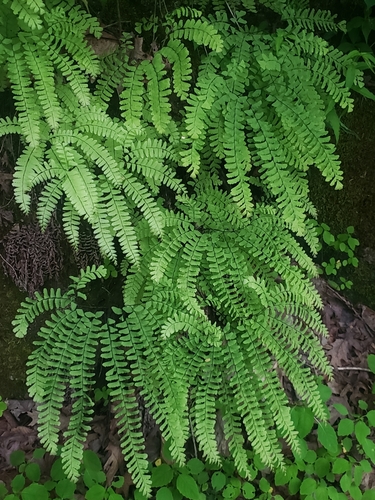
Iowa, US
You might spot Northern Maidenhair Fern and Wood Nettle.
View guide →

Michigan, US
You might spot Hickory Tussock Moth, Mayapple, and Winged Euonymus.
View guide →

Minnesota, US
You might spot Common Eastern Bumble Bee and Turkey.
View guide →

New York, US
You might spot Pine Grosbeak, Hydrangea Leaftier Moth, and Brown Trout.
View guide →

Kentucky, US
You might spot Pond Slider, Crane-Fly Orchid, and Bloodroot.
View guide →

Iowa, US
You might spot Monarch and American White Pelican.
View guide →
Take the discovery with you
Snap it with Snappit to identify it, learn what makes it special, and add the discovery to your collection.







.jpg&width=800)


_001.jpg&width=800)



