Turkey

The Minnesota Landscape Arboretum offers an expansive and inspiring journey through 1,200 acres of breathtaking gardens, diverse plant collections, and protected natural areas.
The Minnesota Landscape Arboretum offers an expansive and inspiring journey through 1,200 acres of breathtaking gardens, diverse plant collections, and protected natural areas. Part of the University of Minnesota, it stands as the state's largest, most diverse, and most complete horticultural site, renowned for its stunning displays and vital research. It's a living laboratory and a cherished public garden, combining educational outreach with unparalleled natural beauty.
Visitors can explore a rich tapestry of landscapes, from the serene Japanese Garden and the vibrant Annual Garden, which features 25,000 to 30,000 annuals planted in a different style each year, to specialized collections like the Crabapple Collection, Northern Lights Azaleas, and the majestic Pine and Ornamental Grass collections. Discover the innovative Meyers-Deats Conservatory, housing tropical plants, orchids, bromeliads, and cacti, or engage your senses in the accessible Sensory Garden with its unique textures, scents, and colors. The Three-Mile Drive and Three-Mile Walk offer immersive routes through woodlands, wetlands, prairies, and various themed gardens, showcasing the Arboretum's commitment to both beauty and biodiversity.
A visit to the Minnesota Landscape Arboretum is a memorable experience year-round, offering an ever-changing spectacle of nature. Beyond its visual appeal, it's a hub for horticultural research, contributing significantly to cold-hardy plant development, including the famous Honeycrisp apple. Whether you seek tranquil reflection, educational insights, or simply a beautiful escape, the Arboretum provides a dynamic and engaging environment that connects people with plants for the planet. Take the ultimate field guide with you: use the Snappit app to identify birds, plants, and animals on your trip.
The roots of the Minnesota Landscape Arboretum trace back to 1907 with the establishment of the Horticultural Research Center. This center was initially focused on developing cold-hardy crops and plants capable of thriving in Minnesota's harsh northern climate. Early successes included the development of apple varieties like the Haralson and later, the renowned Honeycrisp apple, a testament to its pioneering research in fruit breeding. The Arboretum itself was formally founded in 1958, starting with 160 acres of land purchased through a gift raised by the Lake Minnetonka Garden Club and other local groups. Under the vision of its founding director, Dr. Leon Snyder, a University of Minnesota Horticultural Science Department Head, the Arboretum aimed to build a living collection of trees with "landscape value," inspiring its name. Over the decades, it has grown significantly, now encompassing over 1,200 acres, dedicated to horticultural research, education, plant conservation, and inspiring visitors with its diverse collections and natural beauty.
Explore over 28 specialty gardens and 44 plant collections.
* Take a guided garden tour or a narrated tram tour along the Three-Mile Drive.
* Visit the Oswald Visitor Center for the Gift & Garden Store, Rootstock cafe, and art galleries.
* Discover the Andersen Horticultural Library in the Snyder Building.
* Participate in educational programs or seasonal events.
Spring: Thousands of bulbs, azaleas, lilacs, and crabapples burst into bloom.
Summer: All gardens are in full display, ideal for picnics, exploring the Bee & Pollinator Center, and outdoor events.
Fall: Vibrant autumn colors, apple picking, and pumpkin displays, particularly around the Farm at the Arb.
Winter: Enjoy cross-country skiing and snowshoeing on trails; the Three-Mile Drive is open to walkers (closed to cars). The buildings are decorated for holidays.
The Arboretum is highly accessible, featuring wheelchair-accessible entrances, parking, restrooms, and elevators in the main buildings. The Three-Mile Walk is designed to ADA standards with mainly paved paths. Free wheelchairs are available on a first-come, first-served basis, and scooter or motorized wheelchairs are also available. The Sensory Garden has wide paths and raised beds for easy viewing. Audio tours are available for those exploring the Three-Mile Drive by vehicle. Quiet rooms are also available.
Scenic routes providing an overview of many collections and natural areas.
A tranquil space for reflection.
Designed to engage all five senses, with accessible features.
A spectacular, ever-changing display of seasonal flowers.
Each card links to a full Explore page with photos, traits, and fun facts.
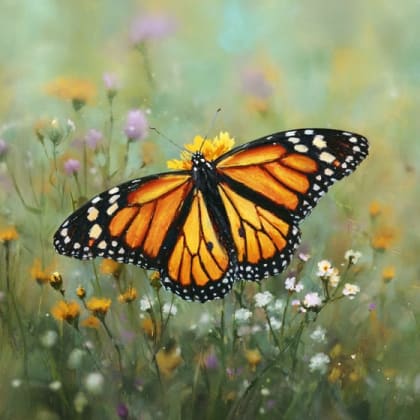





























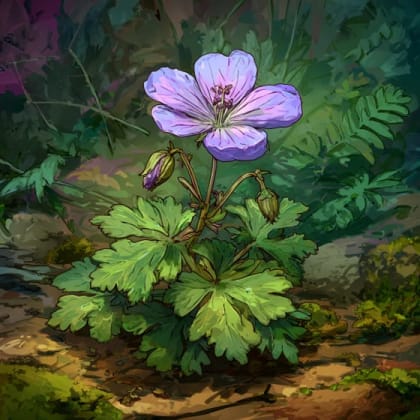














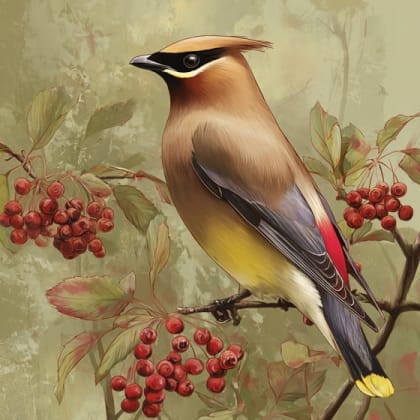

Start with the big picture, then zoom in to explore individual wildlife observations around this place.
Book Tickets in Advance
For non-members, purchasing tickets online beforehand is recommended to ensure entry and often provides a cost saving compared to gate prices.
Dress for the Weather and Wear Comfortable Shoes: Much of the Arboretum is outdoors, so appropriate clothing for the season and comfortable footwear are essential for exploring the extensive grounds. In summer, consider bug spray and sunscreen.
Utilize the Three-Mile Drive/Walk
This comprehensive route is an excellent way to see many of the Arboretum's highlights. You can drive it (vehicles are often allowed except in winter) or walk it. Tram tours are also available.
Check "Garden Highlights" Online
Before your visit, consult the Arboretum's "Garden Highlights" page on their website to see what is currently in bloom or of special interest.
Pack a Picnic
While there's a cafe (Rootstock), the Arboretum offers many picturesque spots for a picnic if you prefer to bring your own food.
Visit on Weekdays or Off-Peak Hours
For a more tranquil experience with fewer crowds, consider visiting on weekdays, early mornings, or later in the evenings.
Jun 12, 2026
Photo attribution
(c) Bob, some rights reserved (CC BY)
License: CC BY 4.0 ↗
Image may be shown cropped inside the card frame.
Jun 12, 2026
Photo attribution
(c) Bob, some rights reserved (CC BY)
License: CC BY 4.0 ↗
Image may be shown cropped inside the card frame.
Jun 12, 2026
Photo attribution
(c) Bob, some rights reserved (CC BY)
License: CC BY 4.0 ↗
Image may be shown cropped inside the card frame.
May 17, 2026
Photo attribution
(c) Bob, some rights reserved (CC BY)
License: CC BY 4.0 ↗
Image may be shown cropped inside the card frame.
Jun 19, 2026

Maryland, US
You might spot White-Tailed Deer and Eastern Gray Squirrel.
View guide →
.jpg)
District of Columbia, US
You might spot Eastern Gray Squirrel, Duck, and House Sparrow.
View guide →

Illinois, US
You might spot American Robin, Canada Goose, and House Sparrow.
View guide →

Virginia, US
You might spot Spotted Lanternfly and Northern Cardinal.
View guide →
Take the discovery with you
Identify the wildlife you spot, learn as you go, and keep a collection of the adventure.