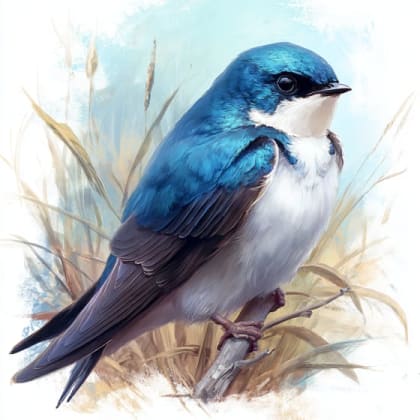





Tree Swallow

Hidden Lake Gardens offers an expansive botanical experience in Michigan's scenic Irish Hills.
Hidden Lake Gardens offers an expansive botanical experience in Michigan's scenic Irish Hills. This 755-acre botanical garden and arboretum, operated by Michigan State University, is a haven for plant enthusiasts and nature lovers, dedicated to preserving natural landscapes and showcasing diverse plant collections. It provides a serene escape where visitors can connect with the beauty and wonder of the natural world.
The gardens boast a variety of captivating exhibits, including the impressive Conservatory, which houses tropical, arid, and temperate biomes filled with lush rainforest plants like coffee, banana, and cocoa, alongside striking cacti and vibrant flowering species. Stroll through the tranquil Bonsai Courtyard, home to one of the Midwest's largest bonsai collections, featuring trees aged 40 to 100 years, many of which are native Michigan species. A highlight for many is the recently opened Reach for the Sky Canopy Walk, inviting visitors to observe the forest canopy from 65 feet above the ground, offering unique perspectives of birds and insects.
Hidden Lake Gardens is a destination that promises memorable moments throughout the year. With 12 miles of hiking trails and six miles of paved scenic drives, it's perfect for both leisurely strolls and immersive explorations. From the vibrant hues of fall foliage to the warmth of the Conservatory in winter, and the abundant wildflowers and specialized plant collections in spring and summer, the gardens offer an inspiring and educational experience for all ages, fostering a deep appreciation for plant life and conservation. Turn your visit into a safari! Use the Snappit app to scan and log wildlife sightings here.
Hidden Lake Gardens began its journey in 1926 when Adrian businessman Harry Fee purchased 200 acres surrounding "Hidden Lake" upon his retirement. Initially intending to farm, Fee soon realized the land was better suited for horticulture and began planting trees and shrubs, envisioning the property as a "series of pictures." In 1945, he generously donated the gardens to Michigan State University, along with a financial endowment that continues to support its development and educational programs. Over the decades, the gardens expanded to their current 755 acres, with significant additions like the Conservatory (built in 1968 with funds from the Herrick family), the Harper Collection of Rare & Dwarf Conifers (donated in 1981), and the creation of the Bonsai Courtyard (which started in 1968 and saw its current lath house built in 2000). The most recent major addition, the Reach for the Sky Canopy Walk, opened in 2023, enhancing visitor engagement with the natural environment.
Walk the Canopy Walk, immerse yourself in the biomes of the Conservatory, study the delicate art of bonsai, discover rare conifers, stroll through the Hosta Hillside, hike through natural woodlands, and enjoy picturesque picnic areas.
Spring: Vibrant wildflowers bloom along trails, daffodils blanket the Hosta Hillside, and the Conservatory hosts its popular Spring Flower Show.
Summer: Outdoor gardens are in full lush bloom, ideal for hiking and picnics.
Autumn: The arboretum and natural areas display stunning fall foliage colors.
Winter: The Conservatory offers a warm, green refuge from the cold, while outdoor trails remain open for a serene, snowy experience, including sledding.
The Reach for the Sky Canopy Walk is wheelchair accessible (36 inches wide), connected by the newly constructed Sue and John Gruel Nature Trail, which also accommodates strollers and assistive devices. Portions of the gardens feature paved roads and hard-packed surfaces, and service animals are welcome on leash.
Experience the forest from 65 feet high, observing trees, birds, and insects at eye level.
Explore three distinct biomes—Tropical, Arid, and Temperate—housing an impressive collection of exotic plants, including coffee, banana, cacti, and succulents.
Marvel at the intricate art of bonsai, featuring a large collection of miniature trees, some over a century old.
Discover over 500 unique and rare conifer varieties.
Each card links to a full Explore page with photos, traits, and fun facts.
Start with the big picture, then zoom in to explore individual wildlife observations around this place.
Wear comfortable footwear
With 12 miles of hiking trails and expansive grounds, comfortable shoes are essential for exploring.
Bring a camera
The diverse plant collections, scenic vistas, and the unique perspective from the Canopy Walk offer fantastic photographic opportunities.
Plan ample time
To fully appreciate all the gardens have to offer, dedicate at least four hours for your visit.
Check for seasonal events
The gardens host various events throughout the year, such as the Spring Flower Show and Fall Foliage Festival, which can enhance your visit.
Explore the Conservatory in colder months: During Michigan's chilly seasons, the warm and lush Conservatory biomes provide a delightful escape.
Utilize the scenic drive
If mobility is a concern or you prefer a more relaxed pace, take advantage of the six-mile paved Scenic Woodland Drive to see many highlights from your vehicle.
May 16, 2026
Photo attribution
no rights reserved
License: CC0 1.0 ↗
Image may be shown cropped inside the card frame.
Jun 2, 2026
Jun 2, 2026
May 27, 2026
May 21, 2026

Maryland, US
You might spot White-Tailed Deer and Eastern Gray Squirrel.
View guide →
.jpg)
District of Columbia, US
You might spot Eastern Gray Squirrel, Duck, and House Sparrow.
View guide →

Illinois, US
You might spot American Robin, Canada Goose, and House Sparrow.
View guide →

Virginia, US
You might spot Spotted Lanternfly and Northern Cardinal.
View guide →
Take the discovery with you
Identify the wildlife you spot, learn as you go, and keep a collection of the adventure.






































.jpg&width=800)