





Pigeon Plum
Coccoloba diversifolia
Pigeon Plum is a lovely tree that grows in warm places. It has shiny green leaves and produces small fruits that birds love to eat. This tree helps make the air fresh and cool!
Habitat: Coastal areas
The Pigeon Plum is an evergreen tree with smooth, light grey bark and distinctive leathery, dark green oval leaves, often featuring reddish veins. Its small, inconspicuous white flowers develop into clusters of round fruits that ripen from green to a vibrant red-purple.
Category
PlantsRarity
Common
Danger
1/5 · Very low
Snaps
2
It's a 'pioneer species,' often one of the first trees to grow in new areas!
Its strong wood was once used to build boats and beautiful furniture!
People often use its beautiful wood to create musical instruments, too!
The tasty fruits change from green to a deep purple-red when ripe!
Pigeon Plum has tough, leathery leaves that help it survive strong ocean winds and salty sea spray, preventing water loss.
Pigeon Plum produces abundant, juicy fruits that help many birds and other animals find food, especially in coastal areas.
Pigeon Plum can grow strong, deep roots that help it anchor firmly in sandy soils, protecting it from erosion and storms.
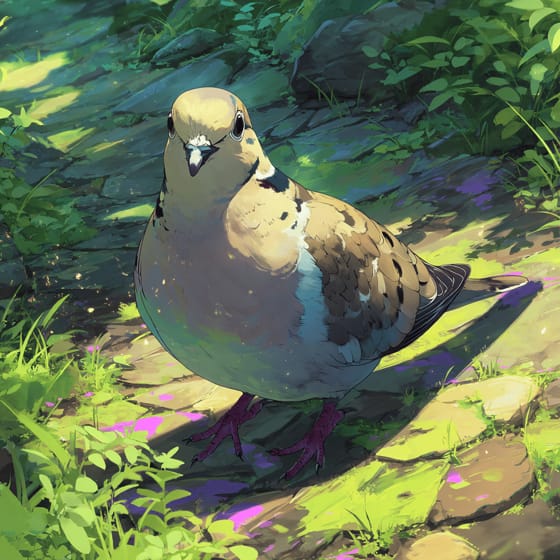
Zenaida macroura
eats ripe fruit
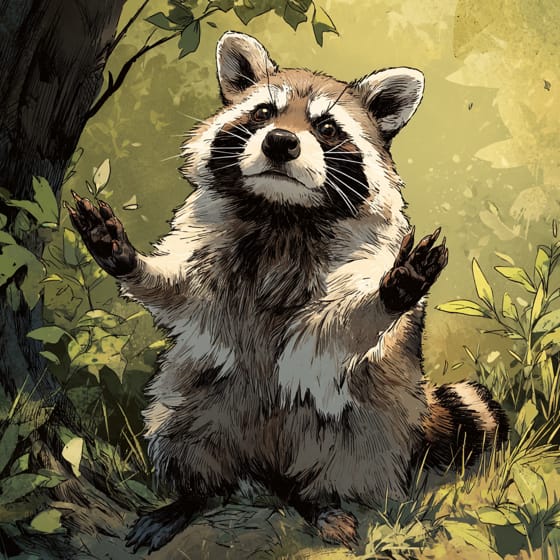
Procyon lotor
forages for fallen fruit
Apis mellifera
visits small flowers
Anolis carolinensis
lives in dense canopy
Shade tolerant plants are adapted to grow and thrive in areas with low light levels, requiring less direct sunlight.
Broadleaf trees are angiosperms characterized by flat, wide leaves that are typically shed annually in temperate climates.
Evergreen plants retain their foliage throughout the year, never shedding all their leaves at once.
Fruit-bearing plants produce fruits, which are the mature ovaries of flowering plants containing seeds.

Edible plants are those parts of a plant that are considered safe for human consumption.
Timber refers to wood that has been prepared for use in building and carpentry.

Coastal habitats are dynamic environments located along the interface between land and sea, influenced by tides, waves, and saltwater.

Describes a species whose presence and role have a disproportionately large effect on its environment.
No aliases listed yet.
Danger
1/5 · Very low
Always stay on paths when exploring around trees and watch for falling branches.
The easiest way to identify Pigeon Plum is to use the Snappit nature identifier app.
500-1500 cm
300-900 cm
0.3-0.5 cm
Spring_summer
Yes
None
Perennial
Zoom in to split clusters and explore where this object has been snapped.

Florida, US
You might spot Brown Pelican, Black Spiny-Tailed Iguana, and Sea Grape.
View guide →

US
You might spot Great Barracuda, Gray Snapper, and Atlantic Sergeant Major.
View guide →
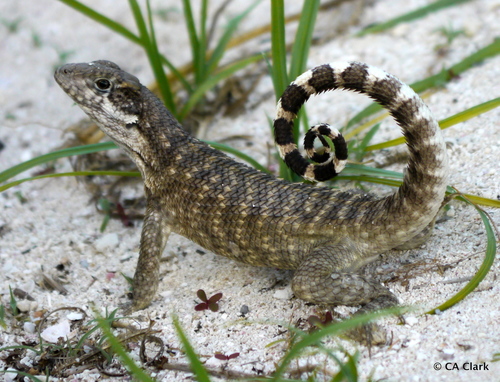
Florida, US
You might spot Northern Curly-Tailed Lizard and Green Iguana.
View guide →
Take the discovery with you
Snap it with Snappit to identify it, learn what makes it special, and add the discovery to your collection.









.jpg&width=800)


_001.jpg&width=800)

