





Pinemat Manzanita
Arctostaphylos nevadensis
The Pinemat Manzanita is a small, bushy plant with beautiful, shiny leaves. It produces lovely pink flowers that attract bees and butterflies, making it a favorite in nature!
Habitat: Mountain regions
The Pinemat Manzanita is a low-growing, mat-forming shrub with smooth, reddish-brown bark that peels in thin strips. It has small, oval, leathery evergreen leaves and clusters of tiny, urn-shaped flowers that range from white to pink.
Category
PlantsRarity
Common
Danger
1/5 · Very low
Snaps
Be the first to snap!
Its name 'Manzanita' means 'little apple' in Spanish, referring to its tiny, apple-like fruits!
Some people say its peeling bark looks like sunburnt skin, revealing a smoother layer underneath!
The sticky residue on its leaves helps the plant protect itself from insects and diseases!
This amazing plant can live for hundreds of years, growing slowly and steadily on the ground!
Pinemat Manzanita can resprout from its base even after a wildfire, helping it quickly recover.
Pinemat Manzanita has small, waxy leaves that help it conserve water, allowing it to thrive in dry conditions.
Pinemat Manzanita has tough roots that can access nutrients and moisture in poor, rocky soils.
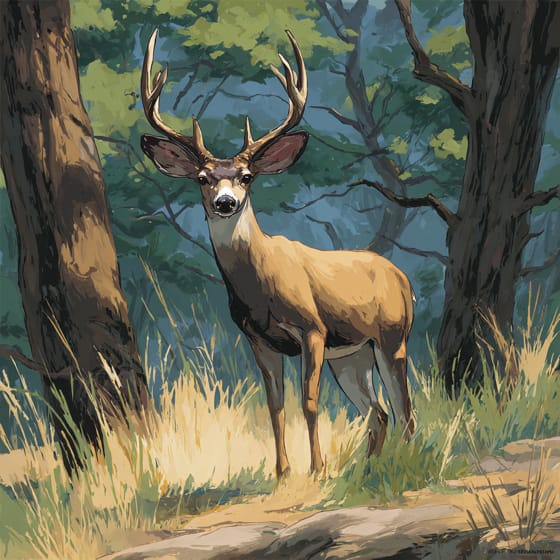
Odocoileus hemionus
Deer browse on its leaves and tender twigs, especially in winter.
Bombus vosnesenskii
Bees are primary pollinators, visiting its bell-shaped flowers for nectar.
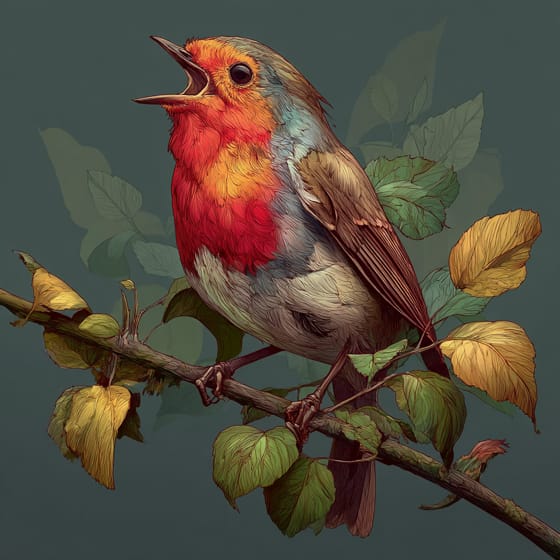
Turdus migratorius
Birds consume its berries, helping to disperse its seeds to new areas.
Flowering plants are any plants that produce flowers as part of their reproductive cycle.
A shrub is a woody plant smaller than a tree, typically with multiple stems branching from or near the ground.
Spring blooming plants produce their flowers during the spring season, often signifying the end of winter and the start of new growth.
Evergreen plants retain their foliage throughout the year, never shedding all their leaves at once.

Drought-tolerant plants can survive and flourish in conditions with limited water availability.

Describes plants that are particularly attractive and beneficial to a wide range of pollinating organisms.

This habitat trait identifies species found in mountainous regions, characterized by high elevation, steep slopes, and varying climate zones.

Describes organisms that transfer pollen, enabling the fertilization and reproduction of plants.
No aliases listed yet.
Danger
1/5 · Very low
Be careful not to touch sharp branches when exploring!
The easiest way to identify Pinemat Manzanita is to use the Snappit nature identifier app.
10-60 cm
50-200 cm
0.5-0.7 cm
Spring
Yes
Mild
Perennial
Zoom in to split clusters and explore where this object has been snapped.
Recent snaps will appear here as new observations are added.
Take the discovery with you
Snap it with Snappit to identify it, learn what makes it special, and add the discovery to your collection.









.jpg&width=800)



_001.jpg&width=800)



