



pinesap
Monotropa hypopitys
Pinesap is a special plant that grows in shady forests. It doesn't need sunlight because it gets its food from the trees around it, making it very unique!
Habitat: Forests
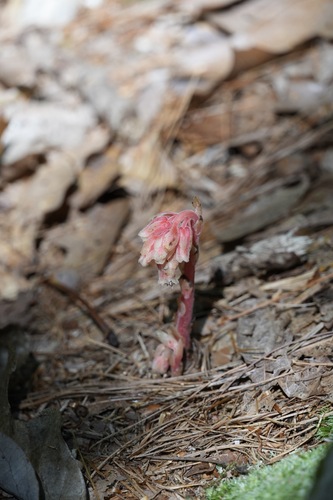
The pinesap is a ghostly plant, typically yellowish, pinkish, or reddish, sometimes pure white. It has no green leaves, with waxy stalks growing in clusters and bell-shaped flowers that droop downwards, making it look unique.
Category
PlantsRarity
Common
Danger
1/5 · Very low
Snaps
4
It's sometimes called a "ghost plant" because of its pale, eerie appearance!
Its scientific name, Monotropa, means "one turn" because its flowers nod before opening.
Pinesap is more closely related to blueberries than to mushrooms, despite its looks.
You can often find it growing where lots of pine needles cover the forest floor.
Pinesap can absorb nutrients from fungi living in the soil, which are connected to tree roots, allowing it to thrive without sunlight.
Pinesap has no chlorophyll, meaning it doesn't need sun to make food, so it can grow in the darkest parts of the forest.
Russula emetica
Pinesap obtains nutrients by attaching to this fungus.
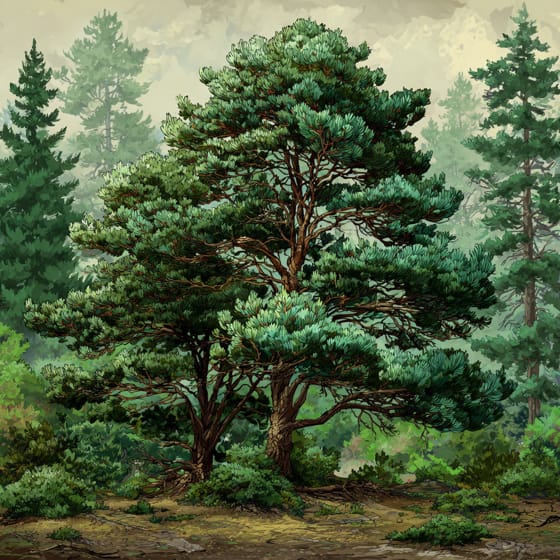
Pinus strobus
The fungus that feeds pinesap forms a partnership with this tree.
Apis mellifera
Bees visit the bell-shaped flowers to collect nectar.
This trait describes a symbiotic relationship between a fungus and the roots of a plant, benefiting both organisms.
Flowering plants are any plants that produce flowers as part of their reproductive cycle.
This trait characterizes plants lacking specialized vascular tissues (xylem and phloem) for transporting water and nutrients.
Shade tolerant plants are adapted to grow and thrive in areas with low light levels, requiring less direct sunlight.

Medicinal plants possess chemical compounds that can be used for therapeutic purposes to treat illnesses or maintain health.
Describes a relationship between two different species where they live in close association, often benefiting one or both.

Forest habitats are terrestrial environments dominated by dense tree cover, supporting a high diversity of plant and animal life.

Describes a species whose presence and role have a disproportionately large effect on its environment.
This trait describes organisms that live on or in a host organism, obtaining nutrients at the host's expense.
No aliases listed yet.
Danger
1/5 · Very low
Don't touch plants without asking an adult, as some can be harmful.
The easiest way to identify pinesap is to use the Snappit nature identifier app.
10-30 cm
1-2 cm
Summer to fall
No
None
Perennial
Insect
Zoom in to split clusters and explore where this object has been snapped.
Sep 4, 2023
Fork Factory BrookPhoto attribution
(c) directionless, some rights reserved (CC BY)
License: CC BY 4.0 ↗
Image may be shown cropped inside the card frame.

Pennsylvania, US
You might spot Pinesap, Great Rhododendron, and Mountain Laurel.
View guide →
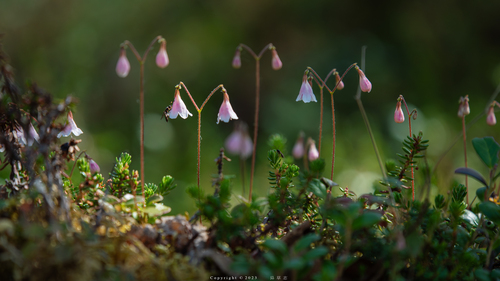
British Columbia, CA
You might spot Twinflower and Western Rattlesnake Plantain.
View guide →

Massachusetts, US
You might spot Garter Snake, Smooth Rock Tripe, and Wood Duck.
View guide →

Washington, US
You might spot Broad-Leaved Stonecrop and Western Sword Fern.
View guide →

Montana, US
You might spot Western Toad and Mountain Lady's-Slipper.
View guide →
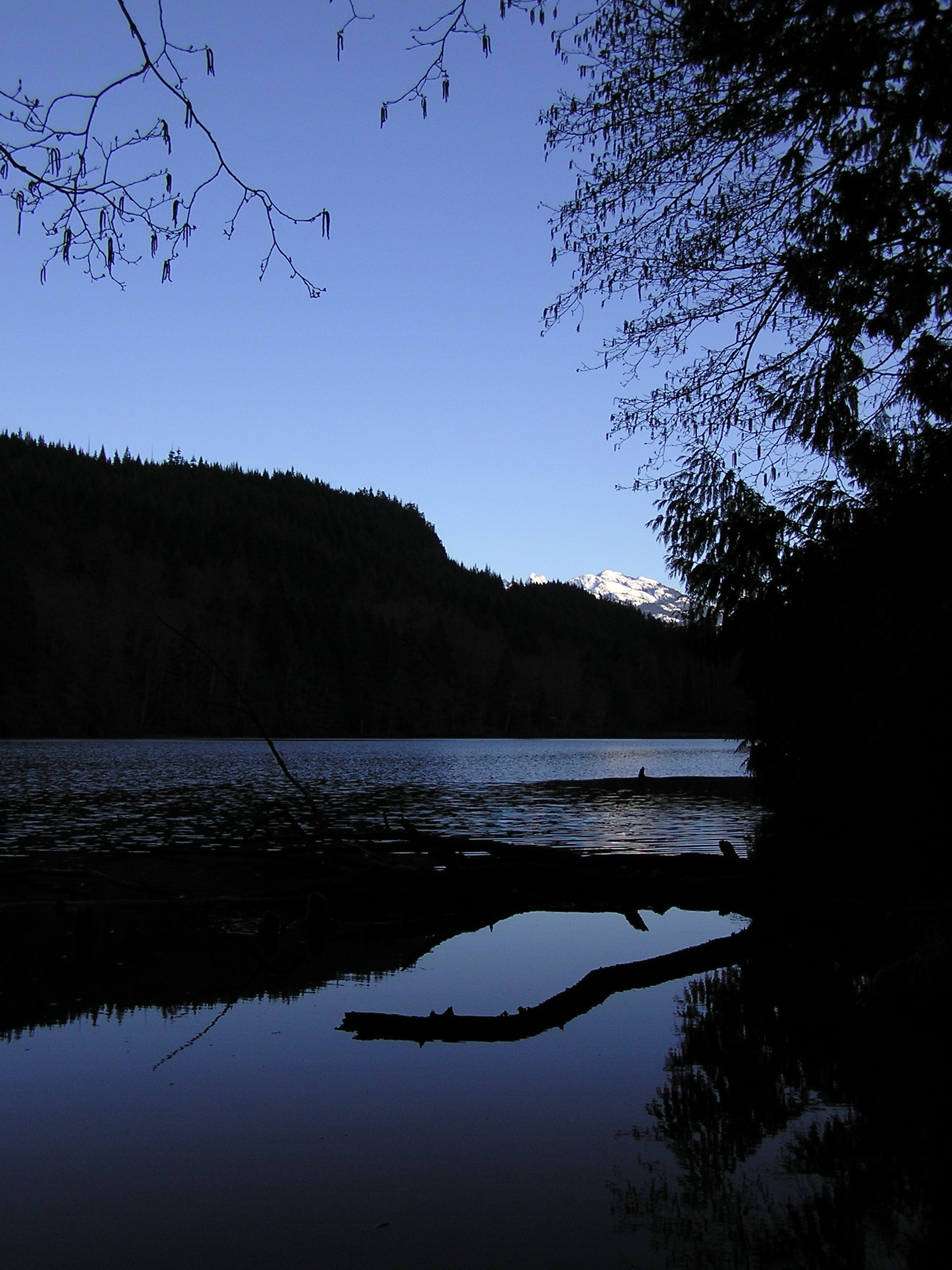
British Columbia, CA
You might spot Western Toad, Ghost Pipe, and Pacific Coralroot.
View guide →
Take the discovery with you
Snap it with Snappit to identify it, learn what makes it special, and add the discovery to your collection.







.jpg&width=800)



_001.jpg&width=800)



