





pipsissewa
Chimaphila umbellata
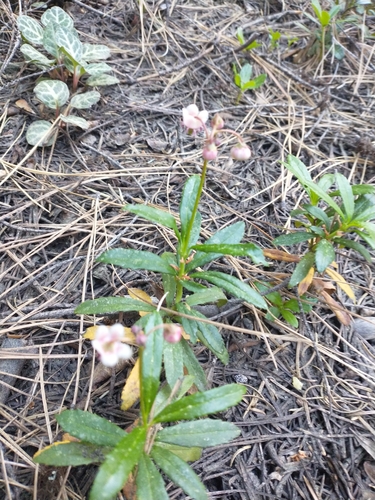
Pipsissewa is a small, evergreen plant that grows in shady forests. It has pretty, waxy leaves and delicate white flowers that look like tiny bells. It's a special plant that loves cool, moist places!
Habitat: Forests
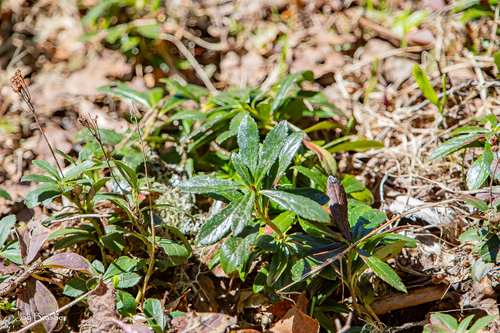
The pipsissewa has glossy, dark green leaves arranged in whorls along a reddish stem. Its small, waxy flowers, often pinkish-white, nod downward like tiny bells. These evergreen leaves stand out on the forest floor, especially in winter.
Category
PlantsRarity
Common
Danger
1/5 · Very low
Snaps
13
Finding this plant means you are exploring a healthy, magical forest!
Its shiny green leaves stay alive all winter, even under deep snow!
Its tiny flowers dangle upside down, like little pink and white bells!
The name "Pipsissewa" means "breaks into small pieces" in an old Native American language!
Pipsissewa has shiny, evergreen leaves that help it make food even in winter when other plants sleep.
Pipsissewa can grow secret underground stems, called rhizomes, to pop up new plants and spread its patch.
Pipsissewa has thick, waxy leaves that help it hold onto precious water in dry forest spots.
Aromatic plants produce and emit fragrant volatile organic compounds, often for defense or to attract pollinators.
Bell-shaped flowers possess petals fused or arranged to form a cup-like or campanulate structure resembling a bell.
Flowering plants are any plants that produce flowers as part of their reproductive cycle.
Shade tolerant plants are adapted to grow and thrive in areas with low light levels, requiring less direct sunlight.

Evergreen plants retain their foliage throughout the year, never shedding all their leaves at once.

Medicinal plants possess chemical compounds that can be used for therapeutic purposes to treat illnesses or maintain health.

Describes plants that are particularly attractive and beneficial to a wide range of pollinating organisms.

Forest habitats are terrestrial environments dominated by dense tree cover, supporting a high diversity of plant and animal life.

Threatened status denotes a species likely to become endangered in the foreseeable future without effective conservation interventions.

Describes organisms that transfer pollen, enabling the fertilization and reproduction of plants.
No aliases listed yet.
Danger
1/5 · Very low
Always look but don't touch wild plants unless a grown-up says it's okay.
The easiest way to identify pipsissewa is to use the Snappit nature identifier app.
10-25 cm
5-15 cm
1-2 cm
Summer
Yes
None
Perennial
Zoom in to split clusters and explore where this object has been snapped.
May 13, 2026
Tobin Harbor Historic DistrictPhoto attribution
(c) Jay Brasher, some rights reserved (CC BY)
License: CC BY 4.0 ↗
Image may be shown cropped inside the card frame.
Jul 18, 2023
Sun Pass State ForestPhoto attribution
no rights reserved
License: CC0 1.0 ↗
Image may be shown cropped inside the card frame.

Massachusetts, US
You might spot Striped Wintergreen, Painted Turtle, and Canada Goose.
View guide →

Michigan, US
You might spot Eastern Skunk Cabbage and Kirtland's Warbler.
View guide →

Oregon, US
You might spot White Pasqueflower and Clark's Nutcracker.
View guide →
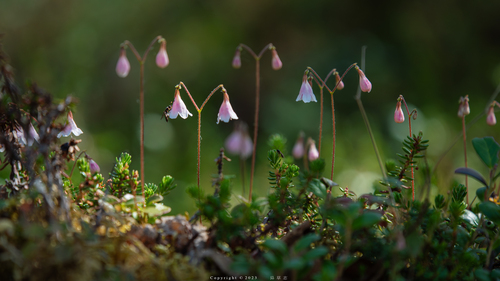
British Columbia, CA
You might spot Twinflower and Western Rattlesnake Plantain.
View guide →

British Columbia, CA
You might spot Green Comma, Mourning Cloak, and Hoary Comma.
View guide →
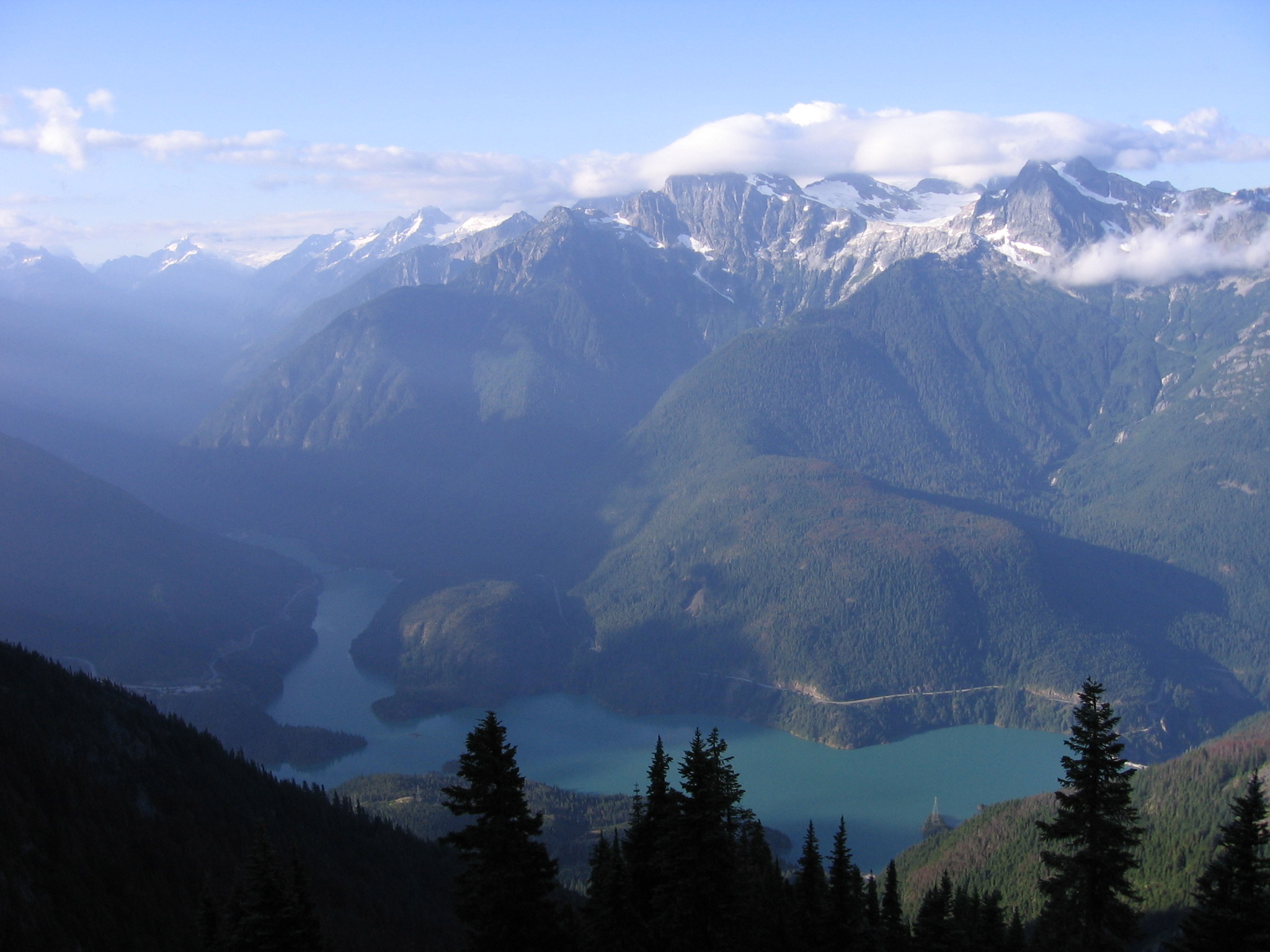
Washington, US
You might spot Cascade Oregon-Grape, Douglas Fir, and Salal.
View guide →
Take the discovery with you
Snap it with Snappit to identify it, learn what makes it special, and add the discovery to your collection.









.jpg&width=800)



_001.jpg&width=800)


