





pomegranate
Punica granatum
The pomegranate is a round, red fruit filled with juicy seeds. It's not only tasty but also very healthy! People have enjoyed pomegranates for thousands of years.
Habitat: Mediterranean regions
The pomegranate is a shrub or small tree with glossy, leathery leaves. It has distinctive bright orange-red, trumpet-shaped flowers. Its unique fruit is round with a tough, leathery crimson rind and a persistent calyx resembling a crown.
Category
PlantsRarity
Common
Danger
1/5 · Very low
Snaps
2
Each pomegranate fruit can hold hundreds of sparkling, ruby-red seeds called arils!
In ancient Egypt, pomegranates were buried with mummies for the afterlife!
Pomegranate fruits naturally wear a little crown at their top!
This ancient juicy fruit has been enjoyed by humans for over 4,000 years!
Pomegranate can thrive in dry places, thanks to its deep roots and tough leaves that help it save water.
Its fruit has a thick, leathery skin protecting hundreds of juicy seeds from drying out and hungry creatures.
Pomegranate produces many flowers and fruits, increasing its chances to spread seeds widely and reproduce.
Apis mellifera
collects nectar and pollen from flowers
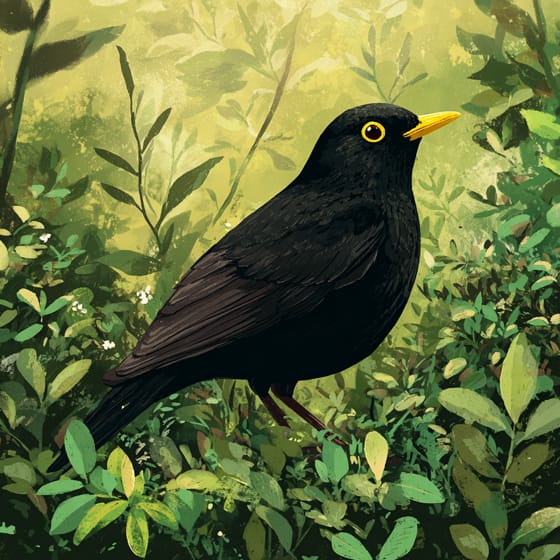
Turdus merula
eats fallen fruit and dispersed seeds

Rattus rattus
chews open fruits for the sweet seeds

Homo sapiens
cultivates and consumes the delicious fruit
Deciduous plants periodically shed all their leaves, typically during autumn or dry seasons.
Flowering plants are any plants that produce flowers as part of their reproductive cycle.
A shrub is a woody plant smaller than a tree, typically with multiple stems branching from or near the ground.
Fruit-bearing plants produce fruits, which are the mature ovaries of flowering plants containing seeds.

Medicinal plants possess chemical compounds that can be used for therapeutic purposes to treat illnesses or maintain health.

Drought-tolerant plants can survive and flourish in conditions with limited water availability.

A fruit tree is a perennial tree that produces fruit, which is edible to humans or animals.

This human use trait describes species cultivated or domesticated by humans for agricultural purposes, including crops and livestock.

Edible plants are those parts of a plant that are considered safe for human consumption.
Danger
1/5 · Very low
Always wash fruits before eating them to keep them clean and safe.
The easiest way to identify pomegranate is to use the Snappit nature identifier app.
200-500 cm
200-400 cm
2-4 cm
Late spring to early summer
Yes
None
Perennial
Zoom in to split clusters and explore where this object has been snapped.

North Carolina, US
You might spot Northern Cardinal, Carolina Wren, and Tufted Titmouse.
View guide →

California, US
You might spot Common Raven and Red-Tailed Hawk.
View guide →

California, US
You might spot Conifers, Buttercups, and Gourd Family.
View guide →
Take the discovery with you
Snap it with Snappit to identify it, learn what makes it special, and add the discovery to your collection.







.jpg&width=800)



_001.jpg&width=800)



