





Pool Frog
Pelophylax lessonae
The Pool Frog is a green frog that loves to live near water. They are great jumpers and can be found in ponds and wetlands, making them fun to watch as they hop around!
Habitat: Wetlands
The Pool Frog is a medium-sized frog, typically bright green or olive with irregular dark spots and a distinct pale yellow or green stripe down its back. Males have prominent bright yellow vocal sacs. Its creamy-white belly often has grey mottling, making it distinct from common brown frogs.
Category
AmphibiansRarity
Common
Danger
1/5 · Very low
Snaps
Be the first to snap!
A Pool Frog's sticky tongue can shoot out incredibly fast, catching flying insects in a blink!
Pool Frogs make a unique 'laughing' call that can be heard far away!
Sometimes, Pool Frogs have babies with Marsh Frogs, creating a new frog species!
They can absorb oxygen directly through their skin, letting them stay submerged for a long time!
Pool Frog can hold its breath for extended dives underwater, allowing it to hide from danger or hunt aquatic prey.
Pool Frog has powerful back legs that help it launch into impressive jumps, escaping danger or catching prey in a flash.
Pool Frog has inflatable vocal sacs that amplify its unique, 'laughing' croak to attract mates across the water.
These hungry hunters gobble up all sorts of insects and small creatures found near their watery homes!
Age differences: Tadpoles eat algae and detritus, while adults are carnivores that eat small animals.
.jpg&width=800)
Ardea cinerea
A common bird predator that hunts frogs from the water's edge.
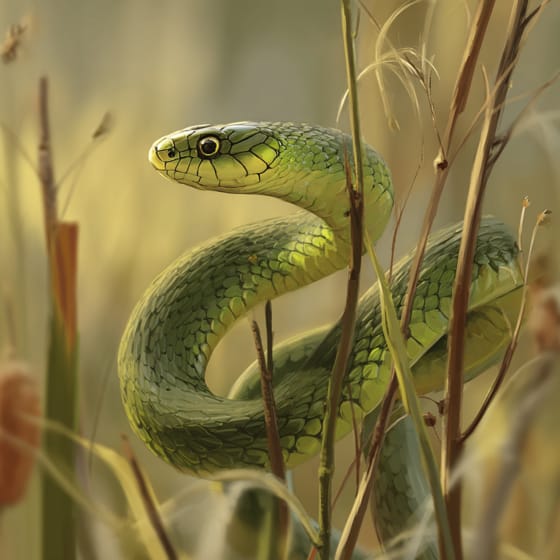
Natrix natrix
Snakes sometimes catch Pool Frogs when they venture too far from water.
Gerris lacustris
Pool Frogs expertly snatch these insects from the water surface.
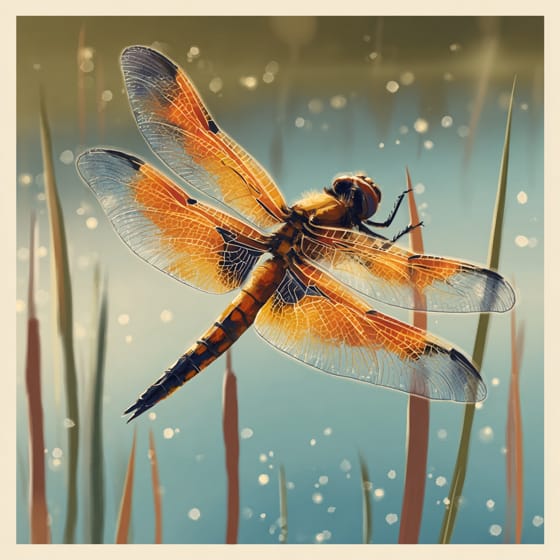
Libellula quadrimaculata
Adult dragonflies are agile prey for hungry Pool Frogs.
Characterized by having toes connected by a membrane, typically aiding in swimming.
Social animals live in organized groups, cooperating for survival benefits such as foraging, defense, and raising offspring.
Camouflaged describes organisms that possess coloring or patterns that allow them to blend into their environment.
This trait identifies organisms whose diet primarily consists of insects and other small invertebrates.

This habitat trait identifies species found in wetlands, which are areas of land saturated with water, either permanently or seasonally, including marshes, swamps, and bogs.

Diurnal animals are primarily active during daylight hours, typically resting or sleeping at night.

Freshwater habitats include non-saline aquatic environments such as rivers, lakes, ponds, and wetlands, vital for numerous species.
No aliases listed yet.
Danger
1/5 · Very low
Always watch frogs from a distance and don't try to catch them, as they can be slippery and scared.
The easiest way to identify Pool Frog is to use the Snappit nature identifier app.
4-8 cm
0.01-0.03 kg
5-10 years
5 km/h
These hungry hunters gobble up all sorts of insects and small creatures found near their watery homes!
Wetlands
Ambush
Zoom in to split clusters and explore where this object has been snapped.
Recent snaps will appear here as new observations are added.
Take the discovery with you
Snap it with Snappit to identify it, learn what makes it special, and add the discovery to your collection.








.JPG&width=800)



.jpg&width=800)

