





Portuguese laurel
Prunus lusitanica
Portuguese laurel is a lovely evergreen shrub with shiny leaves. It can grow tall and is often used to make gardens look beautiful and green all year round.
Habitat: Urban areas
The Portuguese laurel has glossy, dark green leaves with striking reddish petioles that make it stand out. Its small, creamy-white flowers grow in upright spikes in late spring, later forming pea-sized berries that ripen from bright red to shiny black.
Category
PlantsRarity
Common
Danger
2/5 · Low
Snaps
Be the first to snap!
Birds love its dense, evergreen leaves for safe nesting and a secret snack of ripe berries!
Despite its name, this tough plant grows wild in sunny parts of Spain, France, and North Africa too!
Its tiny berries transform from bright red to glossy black, like magical color-changing jewels!
The wood of Portuguese laurel is super strong and dense, sometimes used for making tool handles!
Portuguese laurel can endure dry spells thanks to its thick, leathery leaves that minimize water loss, helping it survive harsh conditions.
Portuguese laurel thrives in low-light areas, using its broad, dark leaves to efficiently capture what little sunlight filters through the canopy.
Portuguese laurel keeps its vibrant green leaves all year, allowing it to photosynthesize even through the cold winter months when other plants are bare.
Portuguese laurel can quickly regrow after being trimmed or damaged, making it a very resilient plant that bounces back easily.
Apis mellifera
Visits its small, fragrant flowers for nectar.
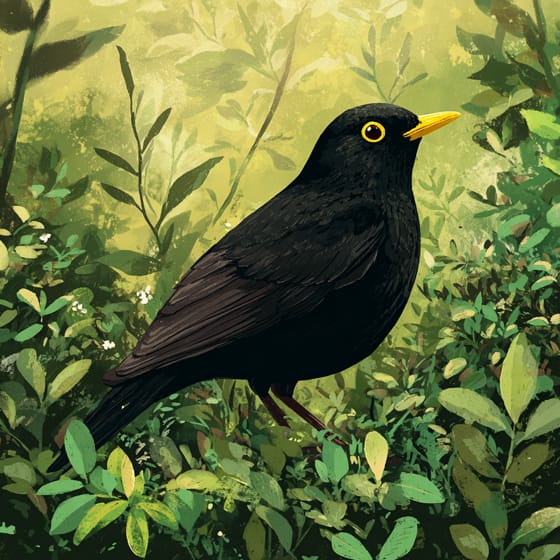
Turdus merula
Feasts on its ripe, dark berries.
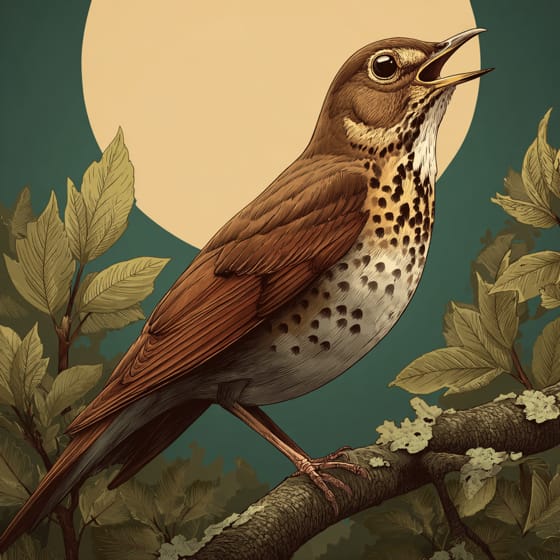
Turdus philomelos
Enjoys the plant's nutrient-rich fruits.
%2C_Parc_de_Woluw%C3%A9%2C_Brussels_(13042792905).jpg&width=800)
Parus major
Finds safe nesting spots in its dense foliage.
Ornamental plants are cultivated primarily for their aesthetic appeal, enhancing landscapes and gardens with their attractive foliage, flowers, or form.
A shrub is a woody plant smaller than a tree, typically with multiple stems branching from or near the ground.
Evergreen plants retain their foliage throughout the year, never shedding all their leaves at once.
Edible plants are those parts of a plant that are considered safe for human consumption.

Describes plants that are particularly attractive and beneficial to a wide range of pollinating organisms.

Rapid growing plants exhibit accelerated growth rates, quickly increasing in size and biomass within a short period.

This habitat trait indicates species that can coexist with humans in urban and suburban environments, utilizing man-made structures and green spaces.
No aliases listed yet.
Danger
2/5 · Low
Always be careful around plants and don't eat anything unless an adult says it's safe.
The easiest way to identify Portuguese laurel is to use the Snappit nature identifier app.
200-1000 cm
150-600 cm
0.5-0.8 cm
Late spring to early summer
No
High
Perennial
Zoom in to split clusters and explore where this object has been snapped.
Recent snaps will appear here as new observations are added.
Take the discovery with you
Snap it with Snappit to identify it, learn what makes it special, and add the discovery to your collection.









.jpg&width=800)



_001.jpg&width=800)


