





Pristoceuthophilus Celatus
pristoceuthophilus celatus
The Pristoceuthophilus celatus is a fascinating cave cricket that loves to hop around in dark places! With its long antennae and unique body shape, it's like a little explorer of the underground world.
Habitat: Caves and dark, humid environments.
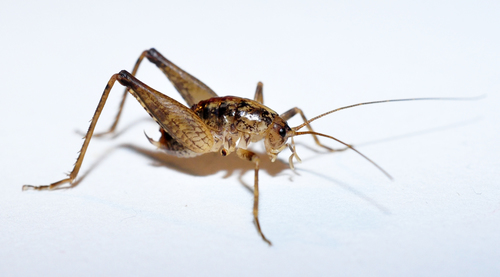
The Pristoceuthophilus Celatus is a medium-sized, wingless cricket with a distinctly humped back, giving it a 'camel-like' appearance. Its body is mottled brown or grayish, blending seamlessly with its dark, damp habitats. It possesses incredibly long, thin antennae, often much longer than its body.
Category
InsectsRarity
Common
Danger
0/5 · No known danger
Snaps
Be the first to snap!
If surprised, they can jump several feet high, often bouncing wildly to escape!
Their antennae can be twice their body length, helping them 'see' in total darkness!
These crickets have an amazing 'humped' back, making them look like tiny, jumping camels!
These quiet crickets never chirp, making them unique and super mysterious to find!
Pristoceuthophilus Celatus can launch itself great distances to escape danger because of its muscular, oversized hind legs.
Pristoceuthophilus Celatus uses its super-long antennae to feel its way around pitch-dark places because they are packed with sensitive receptors.
Pristoceuthophilus Celatus has a speckled brown body that helps it disappear into the shadows and leaf litter, making it hard for predators to spot.
Pristoceuthophilus Celatus doesn't chirp but can detect vibrations through its legs, helping it sense danger or find food.
These crickets are omnivores, munching on decaying plants, fungi, and sometimes even tiny insects!
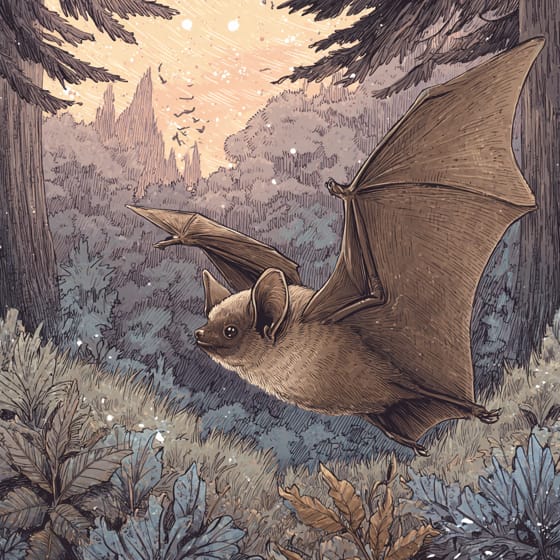
Myotis lucifugus
Bats hunt them in caves.
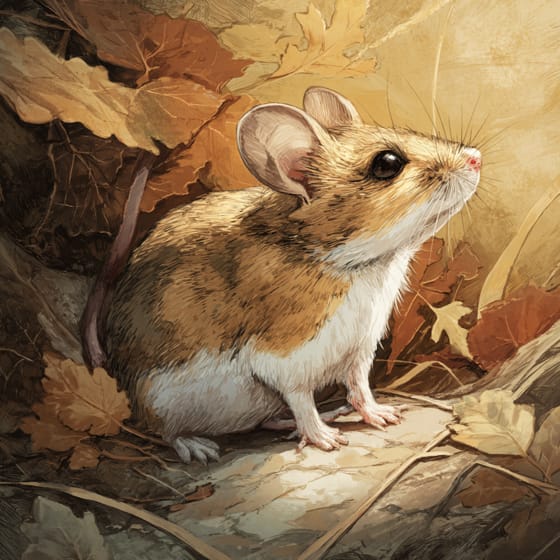
Peromyscus maniculatus
Rodents often prey on them.

Latrodectus hesperus
Spiders catch them in webs.
Quercus lobata
Feeds on decaying leaves.
Fomitopsis pinicola
Munch on forest fungi.
Furry describes animals possessing a dense covering of soft hair or fur.
Social animals live in organized groups, cooperating for survival benefits such as foraging, defense, and raising offspring.
Burrowing animals dig tunnels and chambers in the ground, using these subterranean structures for shelter, hunting, or breeding.
Describes organisms that break down dead organic material, recycling nutrients back into the ecosystem.

Nocturnal animals are primarily active during the nighttime hours, typically resting or sleeping during the day.
Danger
0/5 · No known danger
No special safety notes yet.
The easiest way to identify Pristoceuthophilus Celatus is to use the Snappit nature identifier app.
15-25 mm
365-730 days
These crickets are omnivores, munching on decaying plants, fungi, and sometimes even tiny insects!
Caves and dark, humid environments.
Foraging
6
Zoom in to split clusters and explore where this object has been snapped.
Recent snaps will appear here as new observations are added.
Take the discovery with you
Snap it with Snappit to identify it, learn what makes it special, and add the discovery to your collection.








.jpg&width=800)




