





Prosternon bombycinum
Prosternon bombycinum
The Prosternon bombycinum is a shiny, colorful beetle that loves to hide under leaves. It has a special shape that helps it blend in with its surroundings, making it a little tricky to spot!
Habitat: Forests
The Prosternon bombycinum is a slender click beetle, typically 9-14mm long, with a distinct metallic sheen. Its body is often a coppery-brown or bronze, sometimes with subtle green reflections, making it subtly stand out from duller forest beetles.
Category
InsectsRarity
Common
Danger
1/5 · Very low
Snaps
Be the first to snap!
Adults often hang out in woodlands, quietly sipping on tree sap and pollen.
Its amazing 'click' mechanism allows it to launch itself several inches into the air!
The babies, called wireworms, live underground for years munching on plant roots!
This beetle has special bristles on its body that help it grip surfaces tightly!
Prosternon bombycinum can snap its body loudly to flip itself upright and startle predators.
Prosternon bombycinum has strong wings that help it fly swiftly away from danger or find mates.
Prosternon bombycinum can play dead by staying perfectly still, which helps it avoid hungry predators.
Adults sip nectar and sap, while the larvae feast on underground plant roots.
Age differences: Larvae (wireworms) primarily eat plant roots and seeds underground, while adults consume pollen, nectar, and tree sap.
Turdus merula
Adult beetles and larvae are a food source.

Sorex araneus
Small mammals prey on adult beetles.
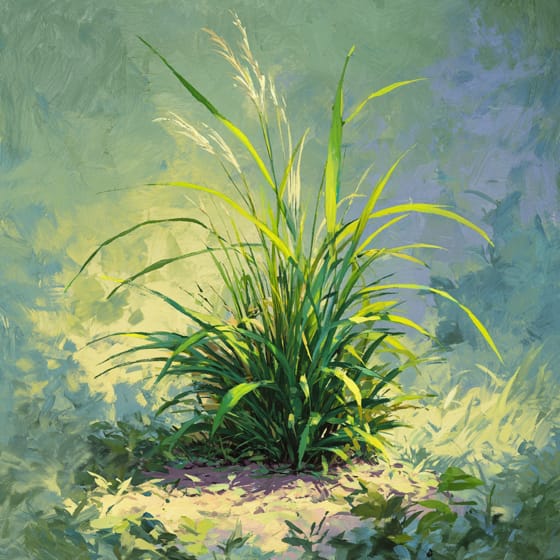
Poa pratensis
Larvae feed on the roots of various grasses.
Solitary animals live alone for most of their lives, only interacting with others for mating or parental care.
Camouflaged describes organisms that possess coloring or patterns that allow them to blend into their environment.
Colorful describes organisms or objects displaying a wide range of bright and distinct colors.
This trait characterizes organisms whose diet consists entirely or primarily of plant material.

Forest habitats are terrestrial environments dominated by dense tree cover, supporting a high diversity of plant and animal life.

Diurnal animals are primarily active during daylight hours, typically resting or sleeping at night.

Describes organisms that transfer pollen, enabling the fertilization and reproduction of plants.
No aliases listed yet.
Danger
1/5 · Very low
Always look but don't touch insects unless a grown-up says it's okay.
The easiest way to identify Prosternon bombycinum is to use the Snappit nature identifier app.
18-35 mm
9-14 mm
30-90 days
Adults sip nectar and sap, while the larvae feast on underground plant roots.
Forests
Foraging
6
Zoom in to split clusters and explore where this object has been snapped.
Recent snaps will appear here as new observations are added.
Take the discovery with you
Snap it with Snappit to identify it, learn what makes it special, and add the discovery to your collection.







.jpg&width=800)


