





Ramsons
Allium ursinum
Ramsons are leafy plants that grow in damp, shady places. They have beautiful white flowers and smell like garlic, making them special in the forest!
Habitat: Forests
The Ramsons has broad, spear-shaped, bright green leaves that often form dense carpets on the forest floor. Its star-shaped, pure white flowers bloom in clusters atop slender stems, creating a striking contrast against the dark woodland.
Category
PlantsRarity
Common
Danger
1/5 · Very low
Snaps
Be the first to snap!
Its scientific name, 'ursinum', means 'bear's garlic' because bears are said to enjoy it after hibernation!
People have used Ramsons as a food and medicine for thousands of years, even in ancient times!
Sometimes, the white flowers carpet entire woodlands, making it look like a snowy blanket in spring!
You can often smell a patch of Ramsons before you even see its vibrant green leaves on the forest floor!
Ramsons can sprout early to capture sunlight before tall trees grow their leaves, helping it thrive.
Ramsons has a powerful garlic smell that helps deter some hungry animals from eating its tasty leaves.
Ramsons has seeds with a special 'food' attached, encouraging ants to carry and spread them far!
Apis mellifera
Visits flowers for nectar and pollen.
Formica rufa
Carries Ramsons seeds for food, aiding dispersal.
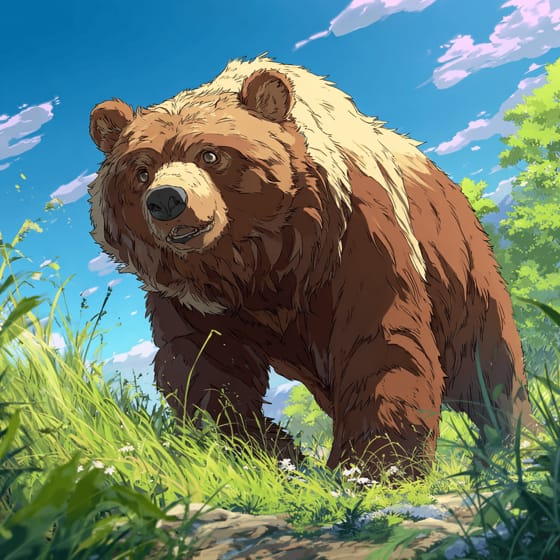
Ursus arctos
Bears are said to eat the leaves after hibernation.
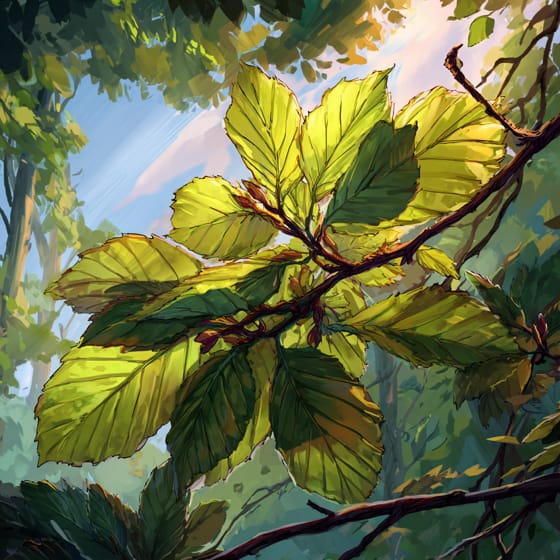
Fagus sylvatica
Often grows in the dappled shade beneath beech trees.
Aromatic plants produce and emit fragrant volatile organic compounds, often for defense or to attract pollinators.
Flowering plants are any plants that produce flowers as part of their reproductive cycle.
Shade tolerant plants are adapted to grow and thrive in areas with low light levels, requiring less direct sunlight.
Spring blooming plants produce their flowers during the spring season, often signifying the end of winter and the start of new growth.

Fragrant flowers emit a pleasant aroma, often to attract pollinators or for defense.

Edible plants are those parts of a plant that are considered safe for human consumption.

Describes plants that are particularly attractive and beneficial to a wide range of pollinating organisms.

Forest habitats are terrestrial environments dominated by dense tree cover, supporting a high diversity of plant and animal life.
No aliases listed yet.
Danger
1/5 · Very low
Do not eat any wild plants unless you are sure they are safe and have an adult with you.
The easiest way to identify Ramsons is to use the Snappit nature identifier app.
20-50 cm
10-20 cm
1-2 cm
Spring (April-June)
Yes
None
Perennial
Zoom in to split clusters and explore where this object has been snapped.
Recent snaps will appear here as new observations are added.
Take the discovery with you
Snap it with Snappit to identify it, learn what makes it special, and add the discovery to your collection.







.jpg&width=800)


_001.jpg&width=800)


