





Rana catesbeiana
Rana catesbeiana
The American Bullfrog is a big, green frog that loves to hop around and make loud croaking sounds. They are often found near ponds and lakes, where they enjoy swimming and catching insects.
Habitat: Wetlands
The Rana catesbeiana is a large, robust amphibian, typically olive green to brown with darker blotches. It has a distinctive large external eardrum (tympanum) behind each eye, especially prominent in males, and lacks dorsal folds, distinguishing it from many other frogs. Its belly is usually white or cream.
Category
AmphibiansRarity
Common
Danger
1/5 · Very low
Snaps
Be the first to snap!
A bullfrog's tongue is super sticky and can flick out incredibly fast!
Bullfrog tadpoles can grow as big as an adult frog before changing!
Some bullfrogs hibernate deep underwater, breathing through their skin!
Their huge eyes pop inward when they swallow, helping push food down!
Rana catesbeiana can leap far to escape danger or ambush prey, using powerful back legs to propel itself.
Rana catesbeiana has an enormous mouth that lets it swallow almost any animal it can catch whole.
Rana catesbeiana can make a deep, loud 'jug-o-rum' call that travels long distances to attract mates.
Rana catesbeiana has large eardrums that help it hear sounds both above and below the water.
A large, opportunistic predator that eats almost any animal it can fit in its big mouth.
Age differences: Tadpoles eat algae and detritus, while adults are strict carnivores.
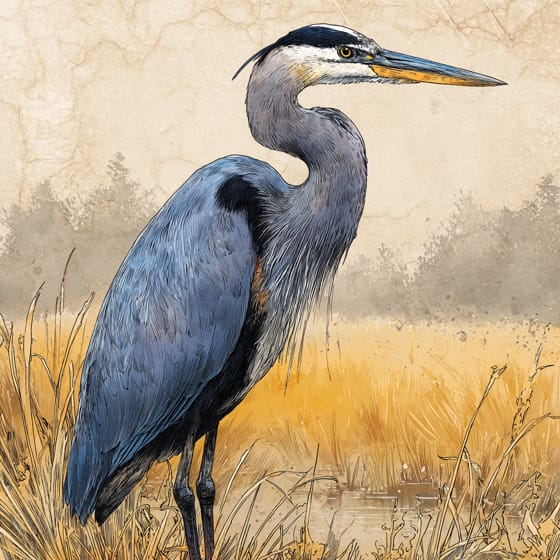
Ardea herodias
Herons hunt adult and juvenile bullfrogs.
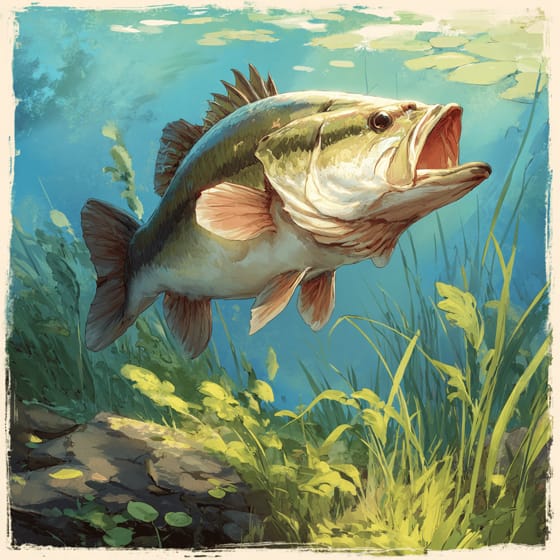
Micropterus salmoides
Bass prey on bullfrog tadpoles and froglets.
Thamnophis sirtalis
Bullfrogs can eat smaller garter snakes.
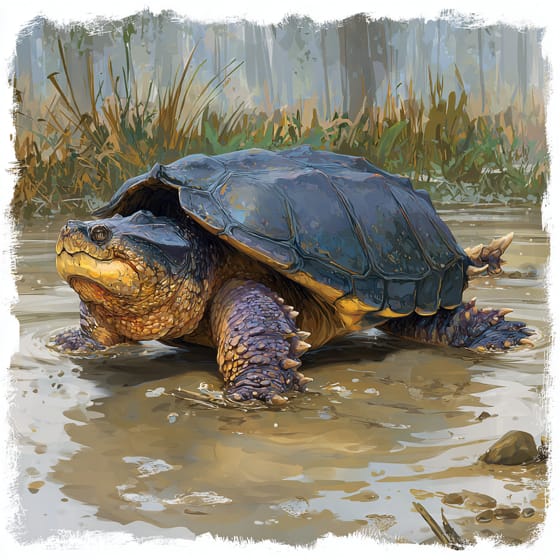
Chelydra serpentina
Snapping turtles are predators of adult bullfrogs.
Characterized by having toes connected by a membrane, typically aiding in swimming.
Solitary animals live alone for most of their lives, only interacting with others for mating or parental care.
Colorful describes organisms or objects displaying a wide range of bright and distinct colors.
This trait identifies organisms whose diet primarily consists of insects and other small invertebrates.

Piscivorous organisms are animals that primarily subsist on a diet of fish.

This trait characterizes organisms with an exceptionally long lifespan compared to others of their kind.

This habitat trait identifies species found in wetlands, which are areas of land saturated with water, either permanently or seasonally, including marshes, swamps, and bogs.

This trait identifies organisms whose diet consists entirely or primarily of animal tissue.

Diurnal animals are primarily active during daylight hours, typically resting or sleeping at night.

Freshwater habitats include non-saline aquatic environments such as rivers, lakes, ponds, and wetlands, vital for numerous species.

This trait identifies organisms that exhibit exceptional swiftness in movement for hunting, escape, or travel.
Danger
1/5 · Very low
Don't touch frogs unless you have permission, as some can be slippery and may not like being held.
The easiest way to identify Rana catesbeiana is to use the Snappit nature identifier app.
9-20 cm
0.1-0.75 kg
7-10 years
15 km/h
A large, opportunistic predator that eats almost any animal it can fit in its big mouth.
Wetlands
Ambush
Zoom in to split clusters and explore where this object has been snapped.
Recent snaps will appear here as new observations are added.
Take the discovery with you
Snap it with Snappit to identify it, learn what makes it special, and add the discovery to your collection.








.JPG&width=800)



.jpg&width=800)
