Rathke'S Woodlouse
trachelipus rathkii
Rathke's Woodlouse is a tiny creature that loves to hide under rocks and leaves! These little critters help keep the environment clean by eating decaying plants.
Habitat: They live in moist environments like forests, gardens, and under rocks.
The Rathke'S Woodlouse has an oval, flattened body, typically grey to brown with a slightly mottled pattern and sometimes a faint pale stripe down its back. Its robust, segmented exoskeleton gives it a duller, less glossy look compared to some relatives, and it has distinctive antennae.
Category
InvertebrateRarity
Common
Danger
0/5 · No known danger
Snaps
12
Rathke's Woodlice are crustaceans, closer relatives to lobsters than insects!
They break down dead leaves and plants, recycling nutrients back into the soil!
They shed their outer skin in two halves, first the back, then the front!
Woodlice don't pee; they release ammonia gas directly through their exoskeletons!
Rathke'S Woodlouse can sense tiny changes in air moisture because of special antennae, which helps them find damp, safe places to live.
Rathke'S Woodlouse breathes using tiny gill-like structures that help them absorb oxygen directly from moist air.
Rathke'S Woodlouse females carry their eggs and young in a special pouch under their body, protecting them until they hatch.
These tiny recyclers munch on dead plants and organic matter, returning nutrients to the soil.
Pardosa amentata
Common wolf spiders often hunt Rathke'S Woodlouse.
Lithobius forficatus
Centipedes actively pursue and eat woodlice.
Turdus merula
Blackbirds forage for them amongst leaf litter.
Solitary animals live alone for most of their lives, only interacting with others for mating or parental care.
Burrowing animals dig tunnels and chambers in the ground, using these subterranean structures for shelter, hunting, or breeding.
This trait characterizes organisms whose diet consists entirely or primarily of plant material.
Describes organisms that break down dead organic material, recycling nutrients back into the ecosystem.

Nocturnal animals are primarily active during the nighttime hours, typically resting or sleeping during the day.
Danger
0/5 · No known danger
No special safety notes yet.
The easiest way to identify Rathke'S Woodlouse is to use the Snappit nature identifier app.
12 mm
100 mg
2 years
These tiny recyclers munch on dead plants and organic matter, returning nutrients to the soil.
They live in moist environments like forests, gardens, and under rocks.
Foraging
14
Zoom in to split clusters and explore where this object has been snapped.

Connecticut, US
You might spot Striped Wintergreen and Common Eastern Bumble Bee.
View guide →

Connecticut, US
You might spot Striped Wintergreen and Common Eastern Bumble Bee.
View guide →

Montana, US
You might spot Western Ponderosa Pine and Great Horned Owl.
View guide →
North Dakota, US
You might spot African Lion, Tiger, and Reticulated Giraffe.
View guide →

Connecticut, US
You might spot Striped Wintergreen and American Wintergreen.
View guide →
Connecticut, US
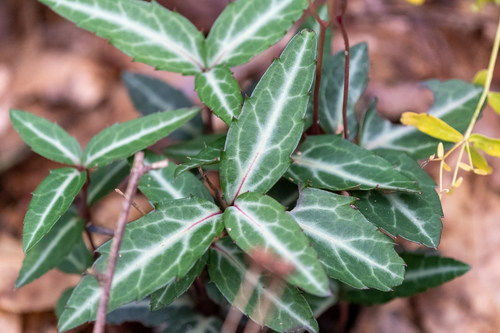
You might spot Striped Wintergreen and Common Eastern Bumble Bee.
View guide →
Take the discovery with you
Snap it with Snappit to identify it, learn what makes it special, and add the discovery to your collection.