Bee
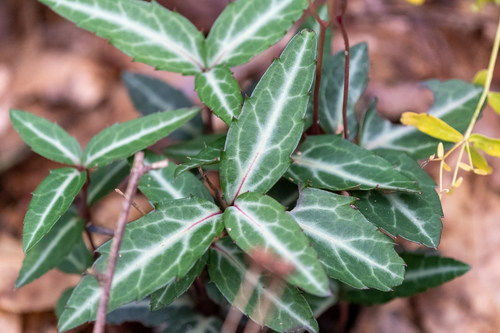
Greeneville offers a fascinating journey into Connecticut's industrial past.
Greeneville offers a fascinating journey into Connecticut's industrial past. This historic neighborhood in Norwich, Connecticut, is a captivating blend of rich history, distinctive architecture, and scenic natural beauty along the Shetucket River. Once a bustling 19th-century mill village, Greeneville invites visitors to step back in time and explore a community shaped by innovation and immigrant heritage.
The Greeneville Historic District, listed on the National Register of Historic Places, showcases a remarkable collection of buildings spanning various architectural styles from Greek Revival to Italianate and Carpenter Gothic. Key highlights include the historic Greeneville Dam, a testament to the area's water-powered industrial legacy, and the picturesque Shetucket River. While not a curated botanical garden or zoo, the natural setting provides pleasant walking opportunities and river views, making it ideal for those who appreciate both history and the outdoors.
Exploring Greeneville offers a unique perspective on New England's industrial revolution and the lives of the working-class communities that built it. From stately mill buildings to charming workers' housing and historic churches, every corner tells a story. Its proximity to the dramatic Yantic Falls, with its powerful cascade and significant Native American history, further enhances the appeal, promising a memorable experience for history buffs, architecture enthusiasts, and those seeking a scenic stroll. Planning to visit? Download the Snappit app to identify the wildlife you spot in real-time.
Greeneville was founded in 1828 by industrialist William P. Greene, a visionary who sought to create a planned industrial village powered by the Shetucket River. He established the Norwich Water Power Company, which constructed a dam and canal system, initially damming the river in 1829. The village, formally laid out in 1833, quickly became a hub for textile and paper manufacturing, attracting waves of immigrant workers from Ireland, France, Poland, Greece, and Italy, who joined Yankee families in this self-sufficient community. The district's development continued through the 19th and early 20th centuries, with infrastructure improvements like the Norwich and Worcester Railroad in 1840 and a rebuilt dam in 1882. Greeneville became officially part of Norwich in 1874 but maintained its distinct character as a vibrant working-class enclave, evidenced by its enduring collection of well-preserved domestic, institutional, and commercial architecture.
Take a self-guided walking tour to admire the Greek Revival, Italianate, and Carpenter Gothic architecture. Observe the engineering marvel of the Greeneville Dam. Enjoy river views along the Shetucket. Consider a walk along the Uncas Leap Trail to Yantic Falls for stunning natural beauty and historical interpretation. Fishing and dog walking are popular activities in the Greeneville Dam area.
Summers are warm, ideal for outdoor walks. Fall brings vibrant autumn colors, enhancing the scenic beauty. Winters can be cold with snow, but the historic architecture can still be appreciated. Spring offers fresh greenery and pleasant temperatures.
The Greeneville neighborhood features sidewalks suitable for walking. While specific detailed accessibility information for all areas is not readily available, parts of the Uncas Leap Trail leading to Yantic Falls are noted as wheelchair accessible, though some sections have steep inclines.
Explore the diverse architectural styles of the mill buildings, workers' housing, and churches.
Enjoy views of the Shetucket River and the historic dam. It's a spot for fishing and walking.
A powerful 40-foot waterfall with significant Native American legends and historic mill ruins, easily accessible via the Uncas Leap Trail and Heritage Walk.
Each card links to a full Explore page with photos, traits, and fun facts.
Start with the big picture, then zoom in to explore individual wildlife observations around this place.
Wear comfortable shoes
Much of the exploration is best done on foot, especially for appreciating the historic architecture and walking near the river.
Bring a camera
The historic buildings, Greeneville Dam, and potential views of Yantic Falls offer great photographic opportunities.
Research Yantic Falls
Plan to extend your visit to include Yantic Falls, a nearby natural and historical landmark with engaging interpretive signage.
Consider a self-guided architectural tour: Many historic buildings have plaques or are well-documented online, allowing for a deeper appreciation of the area's past.
Check local event listings
Norwich occasionally hosts historical walking tours or events that might focus on the Greeneville area.
Visit during daylight hours
To best appreciate the architectural details and natural scenery, a daytime visit is recommended.
Jun 3, 2026
Photo attribution
(c) Sawyer Baran, some rights reserved (CC BY)
License: CC BY 4.0 ↗
Image may be shown cropped inside the card frame.
Jun 3, 2026
Photo attribution
(c) Sawyer Baran, some rights reserved (CC BY)
License: CC BY 4.0 ↗
Image may be shown cropped inside the card frame.
Jun 3, 2026
Photo attribution
(c) Sawyer Baran, some rights reserved (CC BY)
License: CC BY 4.0 ↗
Image may be shown cropped inside the card frame.
Jun 3, 2026
Photo attribution
(c) Sawyer Baran, some rights reserved (CC BY)
License: CC BY 4.0 ↗
Image may be shown cropped inside the card frame.
Jun 1, 2026
Photo attribution
(c) Sawyer Baran, some rights reserved (CC BY)
License: CC BY 4.0 ↗
Image may be shown cropped inside the card frame.

Maryland, US
You might spot White-Tailed Deer and Eastern Gray Squirrel.
View guide →
.jpg)
District of Columbia, US
You might spot Eastern Gray Squirrel, Duck, and House Sparrow.
View guide →

Illinois, US
You might spot American Robin, Canada Goose, and House Sparrow.
View guide →

Virginia, US
You might spot Spotted Lanternfly and Northern Cardinal.
View guide →
Take the discovery with you
Identify the wildlife you spot, learn as you go, and keep a collection of the adventure.