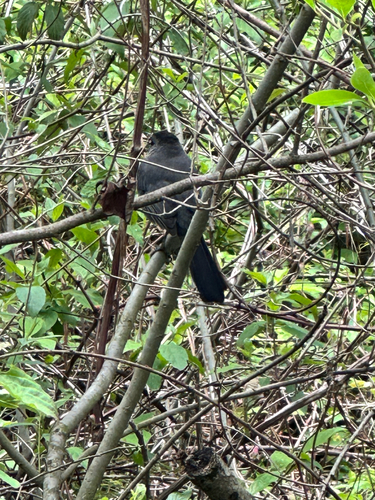

Garter Snake

The Lee and Virginia Graver Arboretum is a peaceful natural laboratory for all.
The Lee and Virginia Graver Arboretum is a peaceful natural laboratory for all.
Nestled in Bushkill Township, Pennsylvania, this 63-acre botanical garden and arboretum offers a serene escape into diverse plant life and natural beauty. Maintained by Muhlenberg College as an outdoor classroom, it invites the public to explore its meticulously cultivated landscapes and vibrant ecosystems free of charge. The arboretum is a testament to dedicated conservation, providing a unique blend of educational resource and tranquil recreational space.
Visitors can wander through extensive collections, including over 150 species of conifers, such as the distinctive Bald Cypress with its unique "knees" and the towering Pitch Pines. The arboretum also boasts vibrant displays of wildflowers, delicate ferns, and an impressive collection of rhododendrons, particularly striking when in bloom. The varied terrain features serene ponds and vernal pools, supporting a rich diversity of wetland plants like Skunk Cabbage, Jack-in-the-Pulpit, and the beautiful Fringed Gentian, adding to the arboretum's ecological significance.
A visit to the Lee and Virginia Graver Arboretum is an opportunity to connect with nature, enjoy a leisurely walk, or engage in quiet contemplation amidst stunning botanical specimens. Its role as a living laboratory for Muhlenberg College students also means a commitment to preservation and ongoing study, ensuring that its natural splendor and educational value continue for future generations. Whether you're seeking inspiration, education, or simply a peaceful stroll, Graver Arboretum offers a memorable natural experience. Eager to name that creature? Identify any animal you find during your visit using the Snappit app.
The Lee and Virginia Graver Arboretum is the result of over four decades of dedicated effort by Dr. Lee and Virginia Graver, who were passionate nature lovers and conservationists. They painstakingly cleared overgrown briar patches and dense woods to create an environment conducive to the growth of wildflowers, ferns, rhododendrons, and both native and rare trees. In 1994, the Gravers generously donated their 63-acre property to Muhlenberg College, intending for it to be protected, preserved, and used for educational purposes. To ensure its long-term care, an endowment fund was established in 1995, guaranteeing that the arboretum would continue to serve as a valuable natural laboratory for students, faculty, and the community.
Enjoy peaceful walks on the easy-to-navigate trails, observe the diverse plant collections, look for seasonal blooms, and appreciate the natural setting. It's an excellent spot for nature photography and quiet reflection.
Spring: A burst of color with wildflowers like Skunk Cabbage, Trillium, and Jack-in-the-Pulpit, along with blooming rhododendrons.
Summer: Lush greenery and shade from mature trees, a good time to explore the conifer collection.
Fall: Famous for its stunning display of fall colors, offering picturesque views for photography.
Winter: Trails may not be maintained and could be closed during severe weather.
The paths are generally level and easy to navigate for walking. However, an older source indicates "Handicap Access? N", suggesting that not all areas may be fully wheelchair accessible, or conditions may vary.
Explore the extensive conifer collection with over 150 species, including the unique Bald Cypress and Pitch Pines. Discover native wildflowers such as Skunk Cabbage in early spring, Jack-in-the-Pulpit, and Trillium sessile, as well as the beautiful Fringed Gentian. The rhododendron displays are particularly noteworthy when in bloom. Don't miss the serene ponds and vernal pools, which support diverse wetland plant communities.
Each card links to a full Explore page with photos, traits, and fun facts.
Start with the big picture, then zoom in to explore individual wildlife observations around this place.
Check the weather
Wear appropriate clothing and footwear, as trails are unpaved natural paths.
Parking
Park in the gravel lot located behind the barn upon arrival.
No pets
Pets are not permitted in the arboretum, as it also serves as an educational center.
Bring a camera
The diverse plant life and seasonal changes offer excellent photographic opportunities, especially for specific conifers, wildflowers, and fall foliage.
Visit in different seasons
To appreciate the full diversity, consider visiting in spring for blooms and fall for colors.
Respect the environment
Stay on marked trails and do not disturb plants or wildlife, as it is also a research site.
May 15, 2026
Photo attribution
(c) Christa Billias, some rights reserved (CC BY)
License: CC BY 4.0 ↗
Image may be shown cropped inside the card frame.
Jun 7, 2026
Jun 7, 2026
Jun 4, 2026
May 31, 2026

Maryland, US
You might spot White-Tailed Deer and Eastern Gray Squirrel.
View guide →
.jpg)
District of Columbia, US
You might spot Eastern Gray Squirrel, Duck, and House Sparrow.
View guide →

Illinois, US
You might spot American Robin, Canada Goose, and House Sparrow.
View guide →

Virginia, US
You might spot Spotted Lanternfly and Northern Cardinal.
View guide →
Take the discovery with you
Identify the wildlife you spot, learn as you go, and keep a collection of the adventure.