





Red Chokeberry
aronia arbutifolia
The Red Chokeberry is a small shrub that produces bright red berries. These berries are loved by birds and can be made into delicious jams and jellies!
Habitat: Wetlands, forest edges, and along streams.
The Red Chokeberry is a medium-sized deciduous shrub with glossy dark green leaves that turn brilliant fiery red in autumn. It has small white to pinkish flowers in spring, followed by clusters of bright red, pea-sized berries that persist through winter.
Category
PlantsRarity
Common
Danger
1/5 · Very low
Snaps
2
Chokeberry juice is incredibly healthy, packed with powerful antioxidants!
Its super tart berries often stay bright red on branches even after the first frost!
Native Americans cleverly used these berries for food, especially in pemmican!
This shrub is called 'chokeberry' because its raw berries make your mouth pucker up!
Red Chokeberry can hold onto its bright red berries all winter, offering a crucial food source for birds when other foods are scarce.
Red Chokeberry has leaves that transform from green to brilliant red in fall, helping it prepare for winter by efficiently shedding its leaves.
Red Chokeberry can grow in both wet and dry soils, tolerating various conditions to survive in many different habitats.
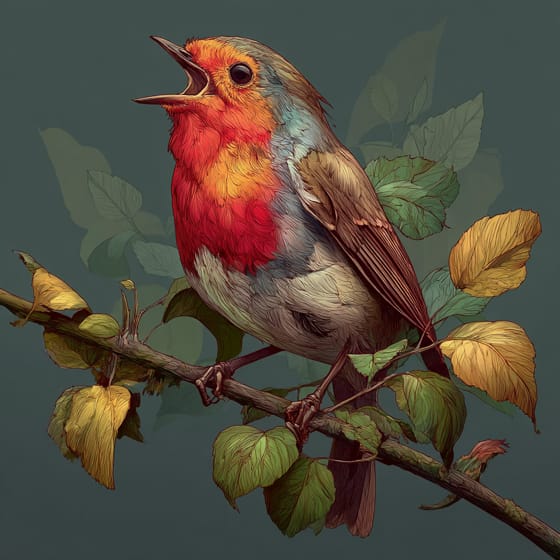
Turdus migratorius
eats its persistent berries in late fall and winter
Bombus impatiens
visits its spring flowers for nectar and pollen
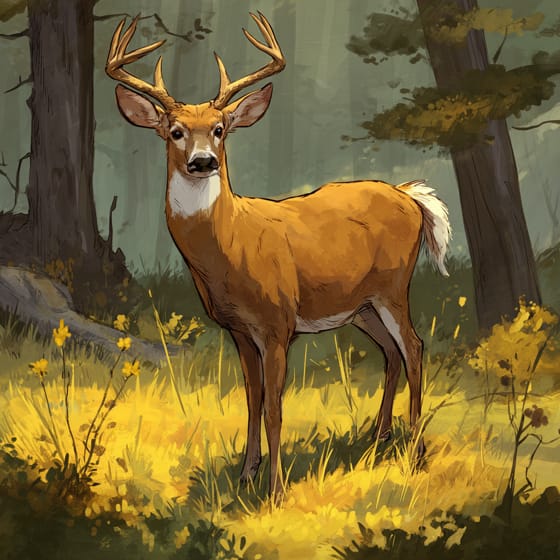
Odocoileus virginianus
sometimes browses its leaves and twigs
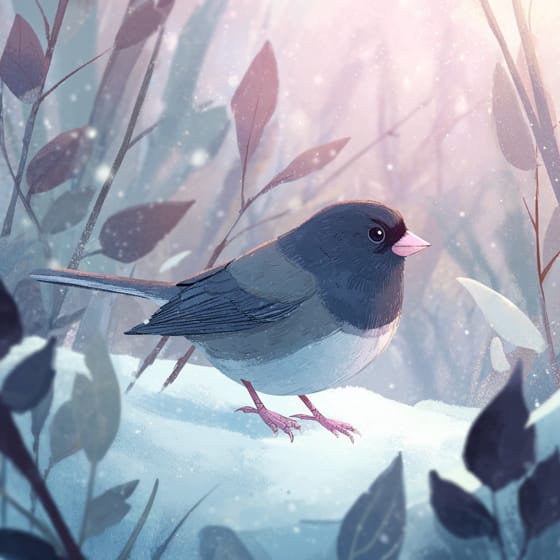
Junco hyemalis
forages on fallen berries under the shrub
Colorful describes organisms or objects displaying a wide range of bright and distinct colors.
This trait characterizes organisms whose diet consists entirely or primarily of plant material.
Forest habitats are terrestrial environments dominated by dense tree cover, supporting a high diversity of plant and animal life.
Diurnal animals are primarily active during daylight hours, typically resting or sleeping at night.

Describes organisms that transfer pollen, enabling the fertilization and reproduction of plants.
Danger
1/5 · Very low
No special safety notes yet.
The easiest way to identify Red Chokeberry is to use the Snappit nature identifier app.
150-300 cm
100-200 cm
0.5-1 cm
Spring
Yes
Mild
Perennial
Zoom in to split clusters and explore where this object has been snapped.
Take the discovery with you
Snap it with Snappit to identify it, learn what makes it special, and add the discovery to your collection.









.jpg&width=800)



_001.jpg&width=800)




