





Red-headed Woodpecker
Melanerpes erythrocephalus
The Red-headed Woodpecker is a colorful bird with a bright red head and a black and white body. They love to peck on trees to find yummy bugs to eat!
Habitat: Forests
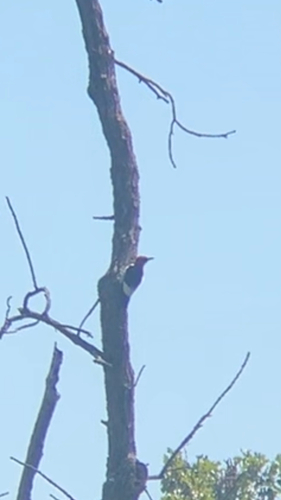
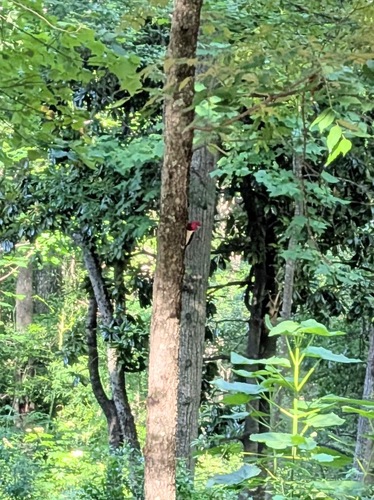
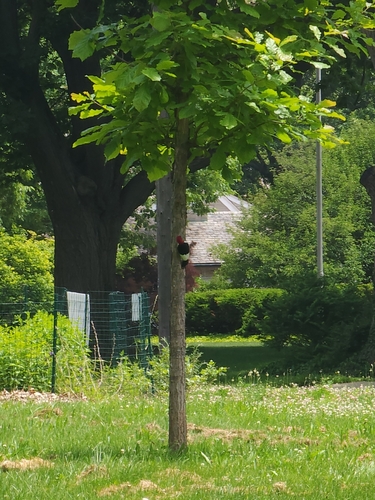
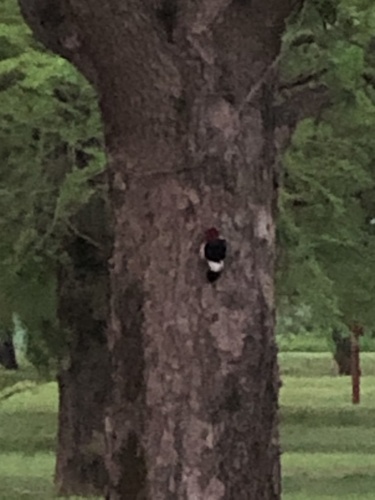
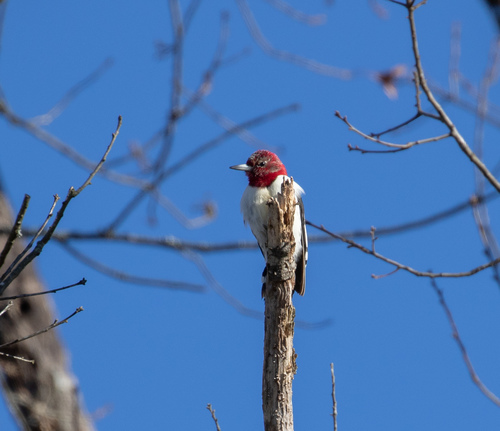
The Red-headed Woodpecker has an unmistakable, vibrant crimson head and throat. Its body is starkly divided with a glossy blue-black back and wings, contrasted by brilliant white underparts and large white patches on its secondary feathers. This striking pattern makes it easy to identify.
Category
BirdsRarity
Common
Danger
1/5 · Very low
Snaps
53
Their bright red head makes them one of North America's most colorful woodpeckers.
These birds use dead trees called 'snags' to find food and make cozy nests.
They can sometimes catch and eat small rodents or even other birds!
Unlike most birds, they sometimes nest in utility poles or fence posts if trees are scarce!
Red-headed Woodpeckers can wedge acorns, nuts, and even live insects into tree crevices because they have specialized bill movements that help them store food for later.
Red-headed Woodpeckers are expert aerial insect hunters, snatching flying insects mid-air with agile flight, which helps them catch prey other birds miss.
Red-headed Woodpeckers can excavate their own nest cavities in dead trees, creating safe homes for their chicks because of their strong bills and necks.
These omnivorous woodpeckers enjoy a diverse menu of insects, fruits, seeds, and nuts.
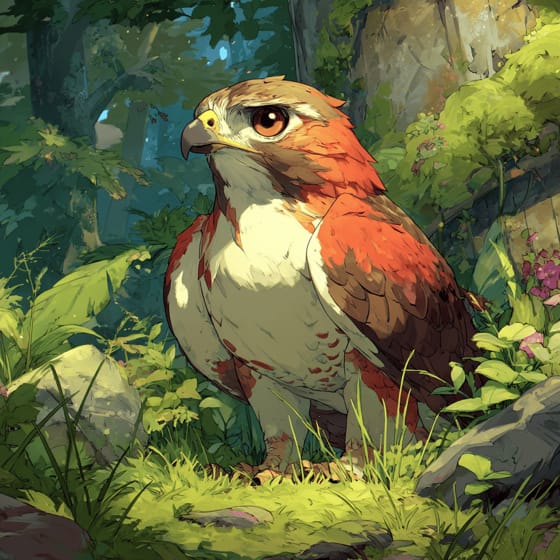
Buteo jamaicensis
Large raptors like hawks occasionally prey on adult woodpeckers.
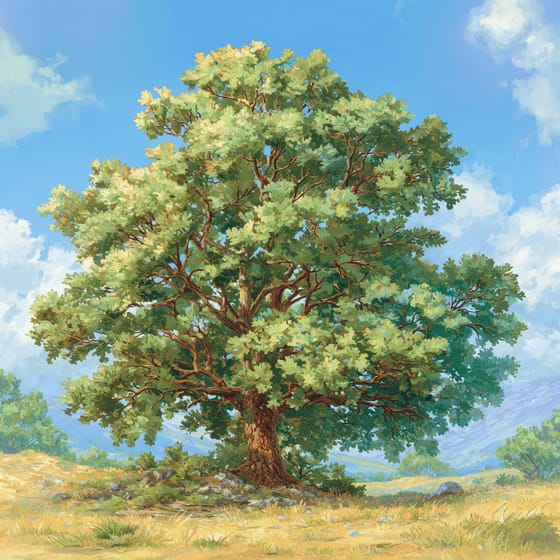
Quercus alba
They rely on oak trees for acorns, nesting sites, and insect foraging.
Formica rufa
They consume various insects, including ants found on and in trees.
Vaccinium corymbosum
They forage on and consume a variety of berries when available.
Feathered describes animals, primarily birds, possessing a covering of feathers.
Aerial creatures spend a significant portion of their lives airborne, utilizing flight for various activities such as hunting, migration, or nesting.
Arboreal animals live primarily in trees, utilizing them for shelter, food, and protection from predators.
Colorful describes organisms or objects displaying a wide range of bright and distinct colors.

This trait identifies organisms whose diet primarily consists of insects and other small invertebrates.

Forest habitats are terrestrial environments dominated by dense tree cover, supporting a high diversity of plant and animal life.

Diurnal animals are primarily active during daylight hours, typically resting or sleeping at night.

Describes a species whose presence and role have a disproportionately large effect on its environment.

This trait identifies organisms that exhibit exceptional swiftness in movement for hunting, escape, or travel.
No aliases listed yet.
Danger
1/5 · Very low
Enjoy watching birds from a distance and don't disturb their nests.
The easiest way to identify Red-headed Woodpecker is to use the Snappit nature identifier app.
20-24 cm
42-45 cm
0.07-0.09 kg
5-10 years
45 km/h
These omnivorous woodpeckers enjoy a diverse menu of insects, fruits, seeds, and nuts.
Forests
Zoom in to split clusters and explore where this object has been snapped.
Jun 19, 2026
Shaw Nature ReservePhoto attribution
(c) Laurie, some rights reserved (CC BY)
License: CC BY 4.0 ↗
Image may be shown cropped inside the card frame.
Jun 5, 2026
Anderson Place Historic DistrictPhoto attribution
no rights reserved
License: CC0 1.0 ↗
Image may be shown cropped inside the card frame.
Jun 4, 2026
Ambler Heights Historic DistrictPhoto attribution
(c) Jensyn Scott, some rights reserved (CC BY)
License: CC BY 4.0 ↗
Image may be shown cropped inside the card frame.
Apr 27, 2026
Cairo Historic DistrictPhoto attribution
(c) Joseph McPhail, some rights reserved (CC BY)
License: CC BY 4.0 ↗
Image may be shown cropped inside the card frame.
Dec 22, 2024
Fincastle Historic DistrictPhoto attribution
(c) kirk gardner, some rights reserved (CC BY)
License: CC BY 4.0 ↗
Image may be shown cropped inside the card frame.

Florida, US
You might spot Anole, Eastern Box Turtle, and Golden Silk Spider.
View guide →

Ohio, US
You might spot Eastern Fox Squirrel and Spotted Lanternfly.
View guide →

Tennessee, US
You might spot Black Bear, Yellow Wakerobin, and Pipevine Swallowtail.
View guide →

Alabama, US
You might spot Anole, Eastern Gray Squirrel, and Asian Lady Beetle.
View guide →

Arkansas, US
You might spot Widow's-Cross, Yucca Giant-Skipper, and Outis Skipper.
View guide →

Illinois, US
You might spot Eastern Fox Squirrel, Amur Honeysuckle, and Poison Hemlock.
View guide →
Take the discovery with you
Snap it with Snappit to identify it, learn what makes it special, and add the discovery to your collection.




.jpg&width=800)







