





Red-throated Loon
Gavia stellata
The Red-throated Loon is a smaller loon with a lovely red throat during the breeding season! It is known for its beautiful calls and graceful swimming.
Habitat: Coastal waters and lakes
The Red-throated Loon has a slender neck, a grey head, and a distinctive reddish-brown throat patch during breeding season. Its back is dark, contrasting with a white belly, and its bill is often held slightly upturned. It appears streamlined in the water.
Category
BirdsRarity
Rare
Danger
2/5 · Low
Snaps
7
Baby Red-throated Loons often ride on their parents' backs to stay warm and safe from predators.
Red-throated Loons build their nests so close to water they can slip straight in if danger approaches!
Their legs are so far back on their body they are great swimmers but clumsy wobblers on land!
Unlike most birds, they can drink saltwater, helping them survive in coastal wintering areas.
Red-throated Loons can dive deep and stay submerged for minutes because of their dense bones and powerful, rear-placed legs.
The Red-throated Loon needs to run across the water's surface to gain enough speed to take flight.
Red-throated Loons have a long, flexible neck that helps them quickly stab and catch slippery fish underwater.
These expert fish hunters dive deep underwater to catch their slippery prey.
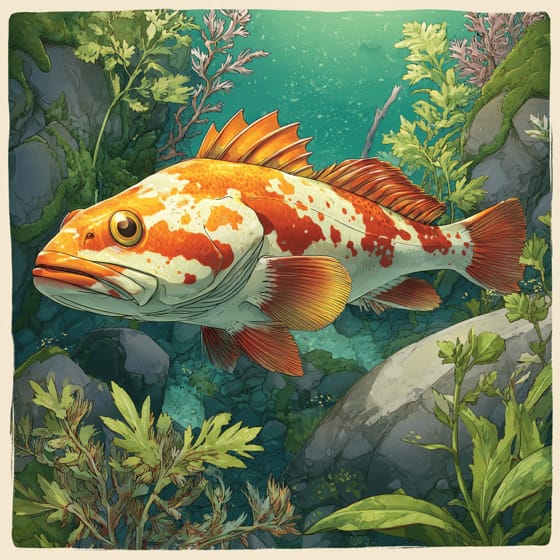
Gadus morhua
Important food source in winter.
Mallotus villosus
A key prey species in northern waters.
_with_offspring%2C_Liefdefjord%2C_Svalbard.jpg&width=800)
Larus hyperboreus
Preys on loon eggs and chicks.
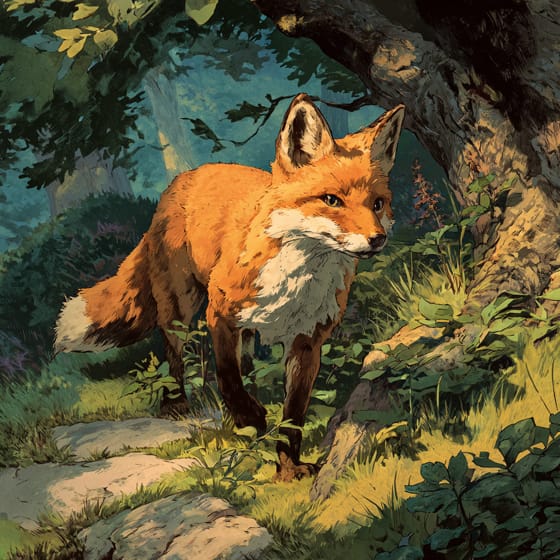
Vulpes vulpes
Opportunistic predator of eggs and chicks.
Wildlife encompasses all undomesticated animal and plant life existing in their natural habitats.
Feathered describes animals, primarily birds, possessing a covering of feathers.
Piscivorous organisms are animals that primarily subsist on a diet of fish.
Coastal habitats are dynamic environments located along the interface between land and sea, influenced by tides, waves, and saltwater.

Aquatic habitats encompass environments where organisms live predominantly in water, including oceans, rivers, lakes, and wetlands.

Migratory animals undertake seasonal movements from one region to another, typically in response to changes in climate or food availability.
Danger
2/5 · Low
Watch quietly from a distance and never try to feed or chase wild animals.
The easiest way to identify Red-throated Loon is to use the Snappit nature identifier app.
53-69 cm
106-116 cm
1-2.7 kg
12-20 years
75 km/h
These expert fish hunters dive deep underwater to catch their slippery prey.
Coastal waters and lakes
Zoom in to split clusters and explore where this object has been snapped.
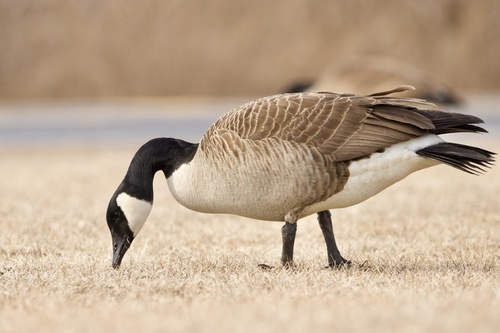
New York, US
You might spot Canada Goose and Atlantic Horseshoe Crab.
View guide →

California, US
You might spot Western Gull, Sea Lion, and Great Blue Heron.
View guide →

Connecticut, US
You might spot Tiger, Panthera Pardus Orientalis, and Andean Condor.
View guide →

California, US
You might spot Western Gull, Sea Lion, and Great Blue Heron.
View guide →

Massachusetts, US
You might spot American Herring Gull and Common Eider.
View guide →

California, US
You might spot Black-Crowned Night Heron, Snowy Egret, and Duck.
View guide →
Take the discovery with you
Snap it with Snappit to identify it, learn what makes it special, and add the discovery to your collection.






.jpg&width=800)









