




Tiger
Nestled within the historic Beardsley Park in Bridgeport, Connecticut's Beardsley Zoo offers a vibrant and engaging encounter with wildlife, standing as the state's sole AZA-accredited zoo.
Nestled within the historic Beardsley Park in Bridgeport, Connecticut's Beardsley Zoo offers a vibrant and engaging encounter with wildlife, standing as the state's sole AZA-accredited zoo. This welcoming destination provides an immersive journey, primarily featuring animals from North and South America, as well as some Northern Asian species. Visitors can spend hours exploring diverse habitats, from the steamy depths of the Rainforest Building, teeming with South American life like Brazilian ocelots and golden lion tamarins, to the expansive Hoofstock Trail where American bison and pronghorn roam.
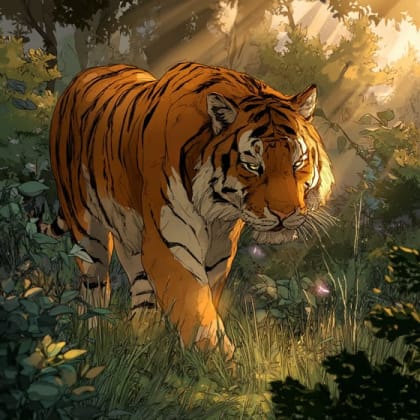
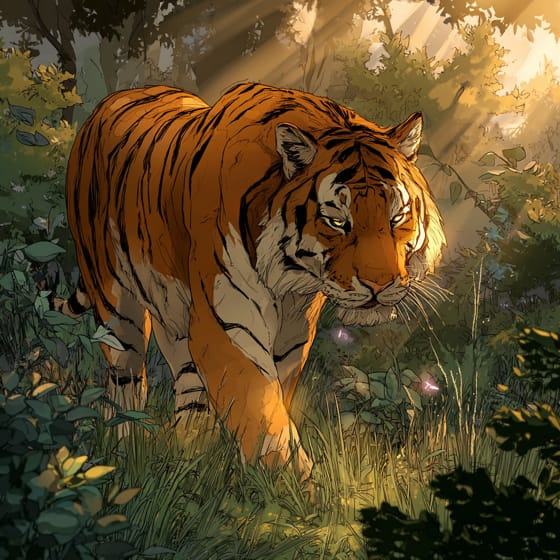
The zoo masterfully blends recreation with a strong commitment to education and conservation. As you wander the paved pathways, you'll discover compelling exhibits such as "Predators," home to the magnificent Amur tigers and Amur leopards, and the "W.O.L.F." exhibit, highlighting the conservation efforts for critically endangered red wolves and Mexican wolves. The experience is designed to be both informative and delightful, with opportunities to witness the playful antics of North American river otters in Alligator Alley or admire the majestic Andean condor near the entrance.
Beyond the animal encounters, the zoo offers charming amenities that enhance the visit, including a colorful carousel, a tranquil Victorian Greenhouse with unique plants, and a New England Farmyard where you can connect with heritage farm breeds. Connecticut's Beardsley Zoo is more than just a collection of animals; it's a place where families can create lasting memories, foster a connection with nature, and learn about the critical importance of wildlife preservation through thoughtfully designed exhibits and educational programs. Don't forget to bring the Snappit nature identification app along to scan local species.
Connecticut's Beardsley Zoo boasts a rich history spanning over a century, situated within Beardsley Park, a landscape designed by the renowned Frederick Law Olmsted in 1881. The concept for a city zoo within the park originated in 1920 with Bridgeport Parks Commissioner Wesley Hayes, who encouraged citizens to donate animals. The zoo officially opened its doors in 1922, initially featuring eighteen exotic birds and animals retired from the Barnum and Bailey Circus, an early connection to Bridgeport's famous showman, P.T. Barnum, who once exercised his circus animals in the park. In 1997, the Connecticut Zoological Society, a non-profit organization, took ownership of the zoo from the city, solidifying its commitment to animal welfare, conservation, and education. Throughout its history, the zoo has evolved, shifting its focus from merely collecting animals to actively participating in Species Survival Plans (SSP) for endangered species, including Amur tigers, red wolves, and golden lion tamarins, reflecting its dedication to global conservation efforts. The zoo recently celebrated its 100th anniversary in 2022, marking a significant milestone in its continuous mission to inspire a diverse public about the delicate balance of our planet.
Beyond observing the animals, engage with the "Passport to Adventure" scavenger hunt via their app for an interactive experience. Look for scheduled animal talks and feeding times to gain deeper insights. Special seasonal events, like "Boo at the Zoo" during Halloween, add unique flair to your visit.
The zoo is open daily from 9 AM to 4 PM, closing only on Thanksgiving, Christmas, and New Year's Day. Hours may be subject to change due to weather, so it's always wise to check their website beforehand. While rain doesn't stop operations, visitors are encouraged to bring appropriate gear.
Connecticut's Beardsley Zoo is committed to accessibility. The paths are generally paved and stroller-friendly. Wheelchairs and motorized scooters are available for rent, and the zoo is working to implement further accessibility changes. Service dogs are welcome, though some areas (like between the tiger and leopard habitats) may be restricted due to animal sensitivities. Sensory accommodations like noise-canceling headphones, social stories, and a sensory map are also available.
Rainforest Building
Amur Tiger habitat
Amur Leopard habitat
W.O.L.F. exhibit
Each card links to a full Explore page with photos, traits, and fun facts.
Start with the big picture, then zoom in to explore individual wildlife observations around this place.
Purchase tickets online in advance
This is often recommended, and sometimes required, to secure your visit, especially during peak times.
Check the website before your visit
Verify operating hours, special event schedules, and any weather-related closures or changes to exhibit availability.
Wear comfortable shoes
The zoo has paved pathways, but you'll be doing a fair amount of walking to see all the exhibits.
Consider visiting during off-peak seasons or weekdays: Animals can be more active in cooler weather (spring/fall/winter), and you'll encounter fewer crowds.
Pack a picnic or utilize the Peacock Cafe: The zoo offers picnic areas, and you're welcome to bring your own food. The Peacock Cafe also provides meal options.
Don't forget the carousel
The historic carousel is a popular attraction, especially for children, and requires a separate, inexpensive ticket.
Parking is free
There is a decent-sized parking lot near the main entrance, with an overflow lot available.
Respect the animals and their habitats
Avoid loud noises, tapping on glass, or feeding the animals, as they have specialized diets.
Feb 11, 2026
Feb 6, 2026
Feb 2, 2026
Jan 20, 2026
Jan 11, 2026

Michigan, US
You might spot African Lion, Komodo Dragon, and Brown Bear.
View guide →
.jpg)
Municipal District of Cobh, IE
You might spot Ring-Tailed Lemur, Giraffes, and Cheetahs.
View guide →

Nouvelle-Aquitaine, FR
You might spot Greater Flamingo, Giraffes, and Red Panda.
View guide →

Texas, US
You might spot Giraffes, African Lion, and Eastern Black Rhinoceros.
View guide →
Take the discovery with you
Identify the wildlife you spot, learn as you go, and keep a collection of the adventure.