





Red-washed Prominent
Oedemasia semirufescens
The Red-washed Prominent is a colorful caterpillar that turns into a beautiful moth. It has bright red and yellow colors that help it blend in with flowers and leaves.
Habitat: Forests
The Red-washed Prominent is a stout-bodied moth with distinctive reddish-brown forewings, often marked by a darker, angled line. Its hindwings are paler gray, and it typically displays a tuft of raised scales on its thorax, giving it a bumpy appearance.
Category
InsectsRarity
Common
Danger
1/5 · Very low
Snaps
Be the first to snap!
Adult moths have short lives, often not eating after emerging!
It spends winter safely as a pupa underground, waiting for spring!
Its 'prominent' name comes from unique tufts of scales on its wings!
The caterpillar often has a humped back, looking quirky as it crawls!
Red-washed Prominent caterpillars can look just like broken twigs, helping them hide perfectly from hungry birds and other predators.
The caterpillar can rear up its front end and curl its tail when threatened, making itself look much bigger and scarier.
As a moth, it flies mostly at night, using its excellent sense of smell to find mates and navigate in the dark.
Caterpillars are leaf-eaters, while adult moths rarely feed.
Age differences: Caterpillars actively feed on leaves, but adult moths have vestigial mouthparts and may not feed at all.
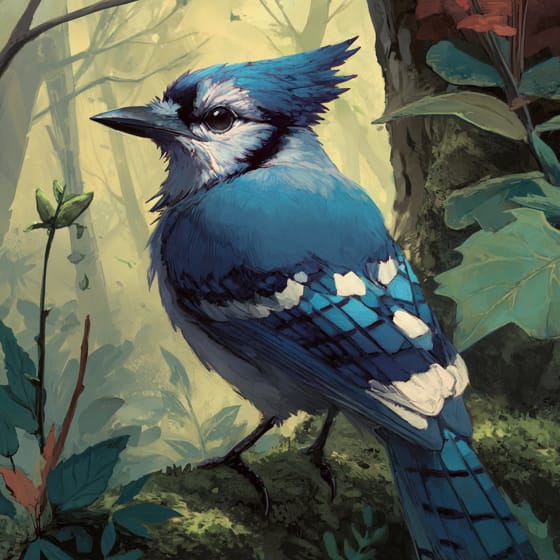
Cyanocitta cristata
Blue Jays often hunt caterpillars and moths.
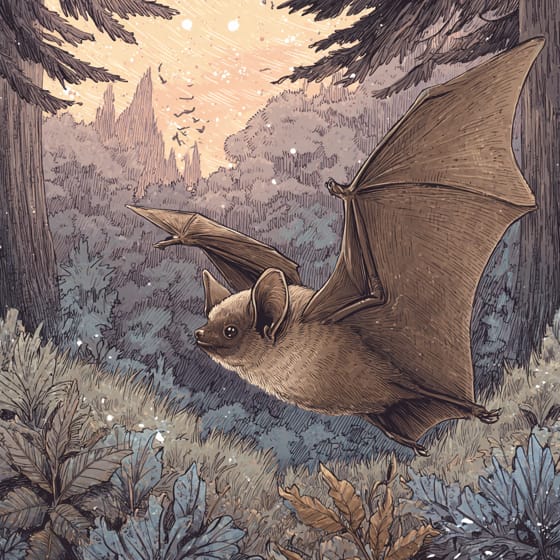
Myotis lucifugus
Bats hunt adult moths in the night sky.
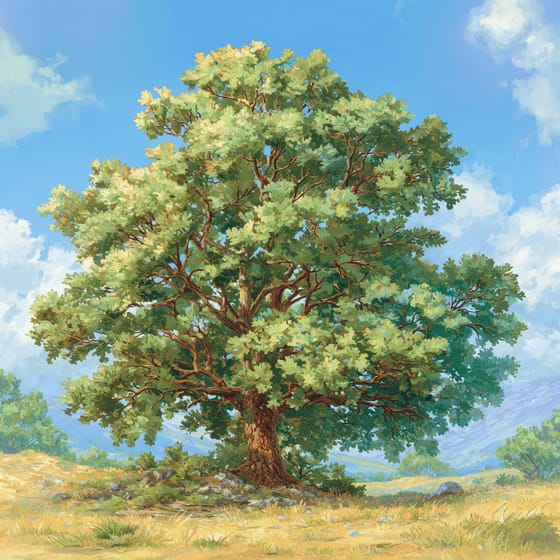
Quercus alba
Caterpillars munch on oak tree leaves.
Compsilura concinnata
An introduced fly parasitizes caterpillars.
Solitary animals live alone for most of their lives, only interacting with others for mating or parental care.
Colorful describes organisms or objects displaying a wide range of bright and distinct colors.
This trait characterizes organisms whose diet consists entirely or primarily of plant material.
Forest habitats are terrestrial environments dominated by dense tree cover, supporting a high diversity of plant and animal life.

Diurnal animals are primarily active during daylight hours, typically resting or sleeping at night.

Describes organisms that transfer pollen, enabling the fertilization and reproduction of plants.
No aliases listed yet.
Danger
1/5 · Very low
Always look but don't touch insects, as some can be delicate or have special defenses.
The easiest way to identify Red-washed Prominent is to use the Snappit nature identifier app.
35-50 mm
20-30 mm
7-20 days
8 km/h
Caterpillars are leaf-eaters, while adult moths rarely feed.
Forests
Foraging
Zoom in to split clusters and explore where this object has been snapped.
Recent snaps will appear here as new observations are added.
Take the discovery with you
Snap it with Snappit to identify it, learn what makes it special, and add the discovery to your collection.








.jpg&width=800)


