





Reedbuck
Redunca redunca
Reedbucks are graceful antelopes found in the grasslands of Africa. They have distinctive forward-curving horns and a reddish-brown coat that helps them blend into tall grasses.
Habitat: Grasslands
The Reedbuck has a shaggy, grey-brown coat with a white belly and a distinct white stripe above its eyes. Males sport short, ridged, forward-curving horns, and both sexes feature large, round ears that help distinguish them from other antelopes.
Category
MammalsRarity
Common
Danger
2/5 · Low
Snaps
Be the first to snap!
Baby reedbucks are called 'calves' and can stand within minutes of being born.
Male reedbucks make a loud, whistling alarm call to warn others of danger.
Reedbucks often freeze and hide in tall grass when threatened, relying on camouflage!
They love to graze on fresh, green grasses near water sources in the savanna.
Reedbucks have large, highly mobile ears that help them detect the faintest sounds of predators from far away.
Reedbucks have special scent glands near their eyes that they use to mark their territory and communicate.
These herbivores munch mainly on fresh grasses and reeds found near water.
Panthera leo
Lions are a primary predator of adult reedbucks.
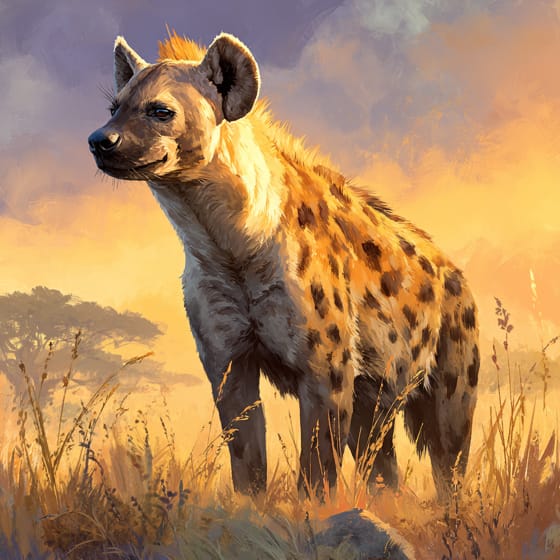
Crocuta crocuta
Spotted hyenas often hunt young and adult reedbucks.

Lycaon pictus
African wild dogs are efficient predators.
Acacia tortilis
Reedbucks often seek shade and shelter under acacia trees.

Equus quagga
Reedbucks sometimes graze with zebras for shared vigilance.
Social animals live in organized groups, cooperating for survival benefits such as foraging, defense, and raising offspring.
Antlered describes animals possessing antlers, which are bony, branching growths found predominantly on male deer and related species.
Characterized by having one or more hard, permanent, pointed projections on the head.
Camouflaged describes organisms that possess coloring or patterns that allow them to blend into their environment.

Grassland habitats are terrestrial biomes dominated by grasses and herbaceous plants, supporting a variety of grazing animals.

This trait characterizes organisms whose diet consists entirely or primarily of plant material.

Diurnal animals are primarily active during daylight hours, typically resting or sleeping at night.

Describes a species whose presence and role have a disproportionately large effect on its environment.
Danger
2/5 · Low
Admire reedbucks from a safe distance and avoid approaching them to prevent scaring them away.
The easiest way to identify Reedbuck is to use the Snappit nature identifier app.
115-180 cm
40-90 kg
8-12 years
60 km/h
These herbivores munch mainly on fresh grasses and reeds found near water.
Grasslands
Grazing
Zoom in to split clusters and explore where this object has been snapped.
Recent snaps will appear here as new observations are added.
Take the discovery with you
Snap it with Snappit to identify it, learn what makes it special, and add the discovery to your collection.




.jpg&width=800)


.JPG&width=800)

.jpg&width=800)
