





Reticulated Collared Lizard
crotaphytus reticulatus
The Reticulated Collared Lizard is a colorful lizard that loves to bask in the sun! With its striking patterns, it can be spotted darting around in its natural habitat.
Habitat: They primarily live in rocky areas, deserts, and scrublands.
The Reticulated Collared Lizard is a striking reptile with a tan to olive-brown body covered in a delicate, dark net-like pattern. It features two prominent black bands on its neck, forming a distinct 'collar', and often has scattered light spots. Males can display vibrant turquoise during breeding.
Category
ReptilesRarity
Common
Danger
1/5 · Very low
Snaps
Be the first to snap!
Collared lizards are known for their distinctive 'head bob' communication signals!
Males 'push-up' to show off their strength to rivals during territorial displays!
These lizards are often called 'dinosaur lizards' due to their powerful build!
They can eat venomous scorpions, being immune to their painful stings!
Reticulated Collared Lizards can run on their hind legs because it helps them achieve incredible bursts of speed to escape danger.
Reticulated Collared Lizards have very strong jaws that help them crush the exoskeletons of insects and overpower small prey.
Reticulated Collared Lizards can detach their tail if caught, creating a wriggling distraction that helps them escape predators.
These fast hunters love munching on insects, spiders, and even smaller lizards!

Schistocerca nitens
A major food source for these hungry lizards.
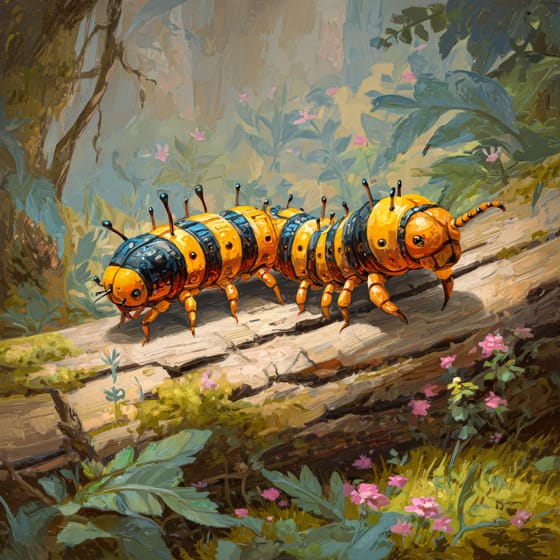
Scolopendra polymorpha
A challenging meal, but they are immune to some venoms.
Anolis carolinensis
Will prey on smaller lizard species in their territory.
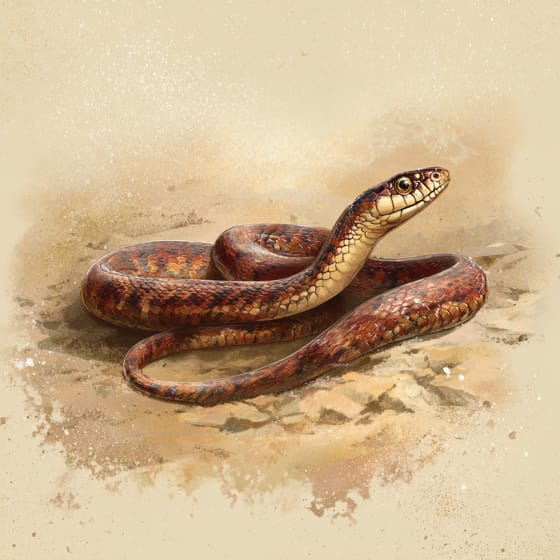
Masticophis flagellum
A fast snake that preys on lizards in their habitat.
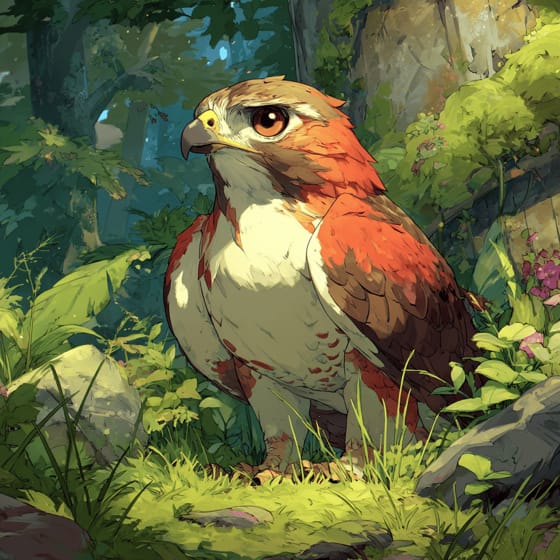
Buteo jamaicensis
These raptors hunt collared lizards from above.
Solitary animals live alone for most of their lives, only interacting with others for mating or parental care.
Colorful describes organisms or objects displaying a wide range of bright and distinct colors.
This trait identifies organisms whose diet consists entirely or primarily of animal tissue.
Diurnal animals are primarily active during daylight hours, typically resting or sleeping at night.
Danger
1/5 · Very low
No special safety notes yet.
The easiest way to identify Reticulated Collared Lizard is to use the Snappit nature identifier app.
20-25 cm
0.03-0.06 kg
5-8 years
24 km/h
These fast hunters love munching on insects, spiders, and even smaller lizards!
They primarily live in rocky areas, deserts, and scrublands.
Ambush
Zoom in to split clusters and explore where this object has been snapped.
Recent snaps will appear here as new observations are added.
Take the discovery with you
Snap it with Snappit to identify it, learn what makes it special, and add the discovery to your collection.














