





Rocky Mountains Ponderosa Pine
Pinus scopulorum
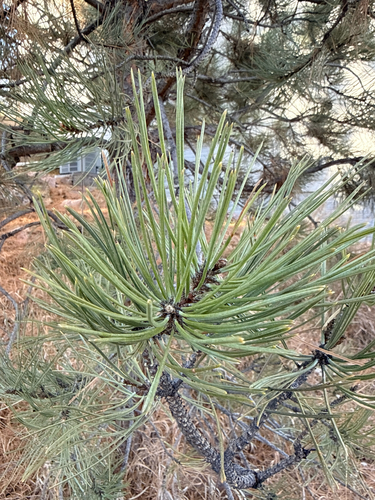
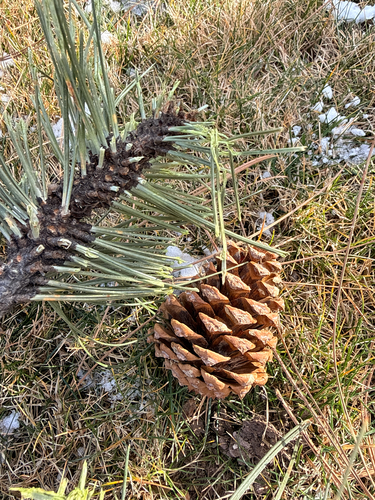
The Rocky Mountains Ponderosa Pine is a tall tree with long, soft needles and a thick, orange-brown bark. It grows in the mountains and provides homes for many animals.
Habitat: Mountain regions
The Rocky Mountains Ponderosa Pine has distinctive long, yellow-green needles grouped in bundles of three. Its mature bark is thick, deeply furrowed, and uniquely orange-red, resembling jigsaw puzzle pieces, especially on older trees.
Category
PlantsRarity
Common
Danger
1/5 · Very low
Snaps
4
Female cones take two years to fully mature, protecting their precious seeds inside for a long time.
Its strong, straight wood was once prized for building railroads and mining timbers!
The unique patterns on its bark get deeper and more reddish as the tree grows older, revealing its age.
Tiny holes in its bark, called resin ducts, drip sticky sap to heal wounds and trap insects.
Rocky Mountains Ponderosa Pine has incredibly thick, scaly bark that helps it survive most low to moderate intensity forest fires.
It can grow a deep taproot to find water far underground, helping it survive in dry Rocky Mountain environments.
Young Ponderosa Pines grow quickly, reaching for sunlight to outcompete smaller plants in open, sunny areas.

Sciurus aberti
Its main diet consists of the pine seeds and inner bark.
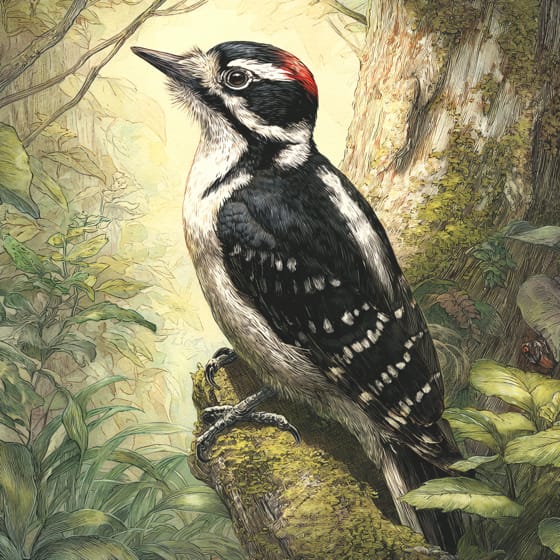
Dendrocopos villosus
Nests in cavities of older, dead or diseased Ponderosa pines.
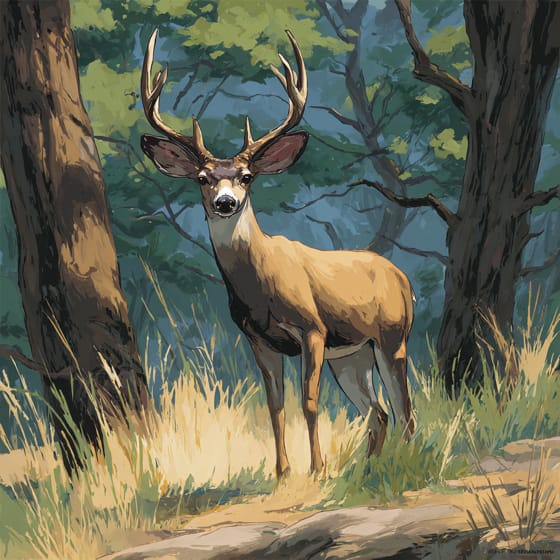
Odocoileus hemionus
Young trees and seedlings are browsed by deer, especially in winter.
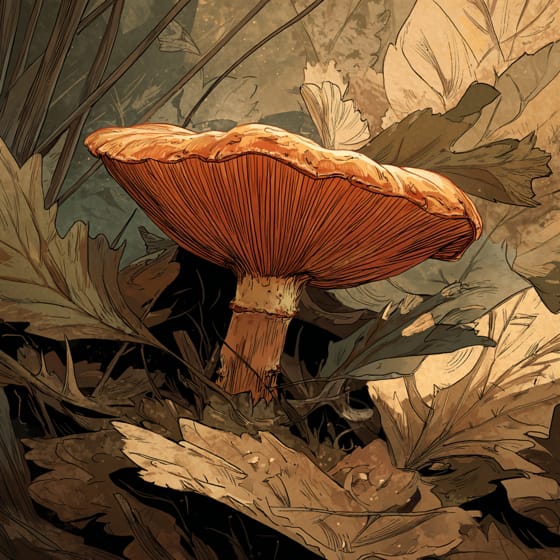
Paxillus involutus
Forms beneficial root partnerships, helping the tree absorb nutrients.
Aromatic plants produce and emit fragrant volatile organic compounds, often for defense or to attract pollinators.
Broadleaf trees are angiosperms characterized by flat, wide leaves that are typically shed annually in temperate climates.
Coniferous plants are typically evergreen, bearing needles or scales and reproductive cones.
Evergreen plants retain their foliage throughout the year, never shedding all their leaves at once.

Timber refers to wood that has been prepared for use in building and carpentry.

This habitat trait identifies species found in mountainous regions, characterized by high elevation, steep slopes, and varying climate zones.

This trait characterizes organisms with an exceptionally long lifespan compared to others of their kind.

Describes a species whose presence and role have a disproportionately large effect on its environment.
No aliases listed yet.
Danger
1/5 · Very low
Stay on paths and don't climb trees without an adult.
The easiest way to identify Rocky Mountains Ponderosa Pine is to use the Snappit nature identifier app.
3000-6000 cm
600-1200 cm
Spring to early Summer
No
None
Perennial
Wind
Zoom in to split clusters and explore where this object has been snapped.
Jan 16, 2026
Reptile GardensPhoto attribution
(c) Jane Weeden, some rights reserved (CC BY)
License: CC BY 4.0 ↗
Image may be shown cropped inside the card frame.
Jan 16, 2026
Reptile GardensPhoto attribution
(c) Jane Weeden, some rights reserved (CC BY)
License: CC BY 4.0 ↗
Image may be shown cropped inside the card frame.

Utah, US
You might spot Common Golden-Mantled Ground Squirrel and Steller's Jay.
View guide →

Utah, US
You might spot Common Golden-Mantled Ground Squirrel and Steller's Jay.
View guide →

Colorado, US
You might spot Elk, Mule Deer, and Moose.
View guide →

Colorado, US
You might spot Front Range Beardtongue and Mountain Ball Cactus.
View guide →

Colorado, US
You might spot Elk, Mule Deer, and Black-Billed Magpie.
View guide →

Colorado, US
You might spot Elk, Mule Deer, and Black-Billed Magpie.
View guide →
Take the discovery with you
Snap it with Snappit to identify it, learn what makes it special, and add the discovery to your collection.









.jpg&width=800)


_001.jpg&width=800)


