





Rosy Pussytoes
Antennaria rosea
Rosy Pussytoes are cute little plants with soft, fuzzy leaves and pink flowers. They often grow in sunny places and are great for attracting butterflies!
Habitat: Grasslands
The Rosy Pussytoes has low-growing, silvery-green leaves and unique, fluffy flower clusters. These small, rounded blooms can be rose-pink or white, truly resembling tiny, soft kitten paws peeking up from the ground.
Category
PlantsRarity
Common
Danger
1/5 · Very low
Snaps
Be the first to snap!
Its common name comes from flowers looking like tiny kitten paw pads!
Some Rosy Pussytoes plants start as female, then switch to being male!
Their super light, fluffy seeds parachute through the air to new spots!
This tough plant can live high up in mountains where few other plants survive!
Rosy Pussytoes can grow in rocky, dry soils, thanks to special roots that seek out water and nutrients.
Rosy Pussytoes has creeping stems that spread out, helping it form thick, silvery mats on the ground.
Rosy Pussytoes has tiny hairs on its leaves, which help it save water and stay warm in cold, windy places.
Bombus bifarius
Collects nectar and pollen.
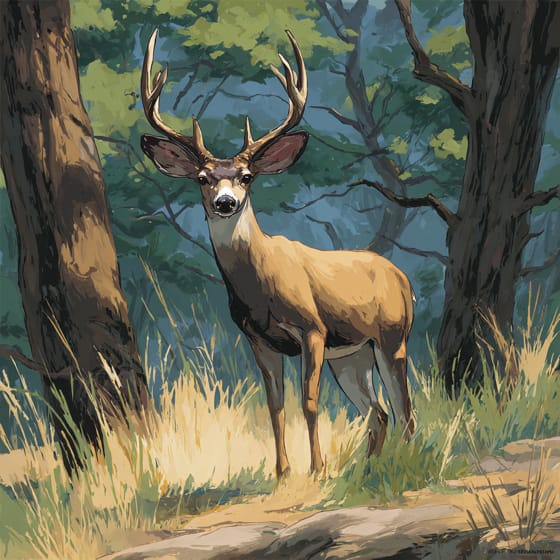
Odocoileus hemionus
Browses on leaves and stems.

Erynnis persius
Feeds on flower nectar.
Furry describes animals possessing a dense covering of soft hair or fur.
Flowering plants are any plants that produce flowers as part of their reproductive cycle.
Cluster flowers are inflorescences where individual flowers are arranged closely together on a common stem.
Spring blooming plants produce their flowers during the spring season, often signifying the end of winter and the start of new growth.

Grassland habitats are terrestrial biomes dominated by grasses and herbaceous plants, supporting a variety of grazing animals.

Describes plants that are particularly attractive and beneficial to a wide range of pollinating organisms.
No aliases listed yet.
Danger
1/5 · Very low
These plants are safe to touch, but remember to be gentle with all plants!
The easiest way to identify Rosy Pussytoes is to use the Snappit nature identifier app.
5-30 cm
15-60 cm
0.5-1.5 cm
Late spring to early summer
No
None
Perennial
Zoom in to split clusters and explore where this object has been snapped.
Recent snaps will appear here as new observations are added.
Take the discovery with you
Snap it with Snappit to identify it, learn what makes it special, and add the discovery to your collection.








.jpg&width=800)



_001.jpg&width=800)




