





rough blazing star
Liatris aspera
The rough blazing star is a tall, beautiful flower with spiky purple blooms. It attracts butterflies and bees, making gardens lively and colorful!
Habitat: Grasslands
The rough blazing star is a tall, slender perennial with a striking spike of vibrant purple flowers that bloom from the top down. Its leaves are narrow and slightly coarse, giving it a 'rough' texture, making it stand out in open fields.
Category
PlantsRarity
Common
Danger
1/5 · Very low
Snaps
Be the first to snap!
Butterflies like Monarchs absolutely adore its nectar, fueling their long journeys!
Indigenous peoples once used parts of this plant for traditional remedies!
Its name 'Liatris' means 'hard to describe' in Greek, how mysterious!
Unlike most flowers, its purple blooms open from the top of the stalk first!
Rough blazing star can grow an incredibly long taproot that helps it find water deep underground, surviving dry spells.
This plant has a unique blooming pattern, opening its flowers from the top of the spike downwards, which might spread out nectar rewards for pollinators.
It can produce brightly colored, nectar-rich flowers that act like a beacon, attracting many different kinds of butterflies and bees.
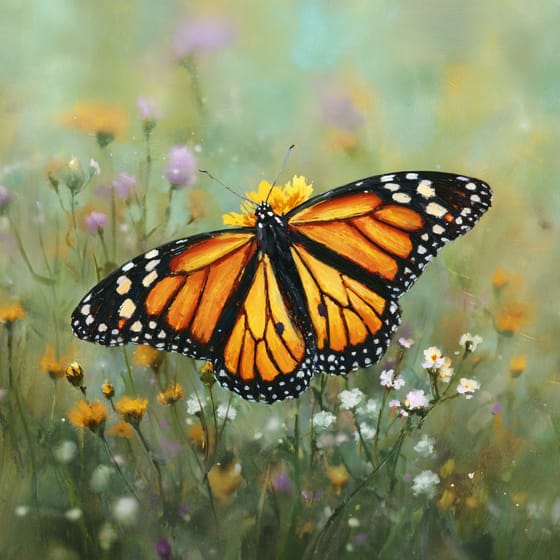
Danaus plexippus
Feeds on nectar and aids reproduction.
Apis mellifera
Gathers nectar and pollen, transferring it.

Bombus bimaculatus
Collects nectar and pollen efficiently.

Odocoileus virginianus
Deer occasionally browse on its foliage.
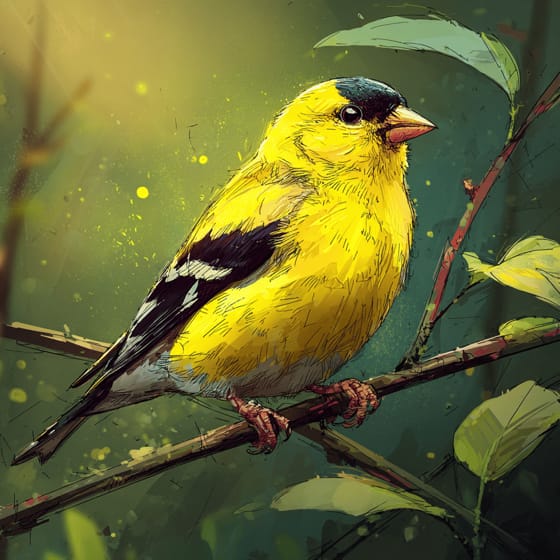
Spinus tristis
Eats the seeds of this plant in fall.
Flowering plants are any plants that produce flowers as part of their reproductive cycle.
Summer blooming plants produce their flowers during the summer season, often providing vibrant color when many other plants have finished.
Colorful describes organisms or objects displaying a wide range of bright and distinct colors.
Grassland habitats are terrestrial biomes dominated by grasses and herbaceous plants, supporting a variety of grazing animals.

Describes plants that are particularly attractive and beneficial to a wide range of pollinating organisms.

Describes organisms that transfer pollen, enabling the fertilization and reproduction of plants.
No aliases listed yet.
Danger
1/5 · Very low
Always look but don't touch flowers without asking an adult first.
The easiest way to identify rough blazing star is to use the Snappit nature identifier app.
60-150 cm
30-60 cm
1-2 cm
Late Summer to Fall (August-October)
No
None
Perennial
Zoom in to split clusters and explore where this object has been snapped.
Recent snaps will appear here as new observations are added.
Take the discovery with you
Snap it with Snappit to identify it, learn what makes it special, and add the discovery to your collection.








.jpg&width=800)



_001.jpg&width=800)




