





Salad Burnet
Sanguisorba minor
Salad Burnet is a tasty green plant that grows in gardens and fields. Its leaves can be used in salads, adding a fresh flavor that's a little like cucumber!
Habitat: Grasslands
The Salad Burnet has distinctive pinnate leaves with many oval, toothed leaflets arranged along a stem. Its tiny, globe-shaped flowers are reddish-green and appear in compact heads atop slender stalks. The overall plant forms a low clump with delicate, airy blooms.
Category
PlantsRarity
Common
Danger
1/5 · Very low
Snaps
Be the first to snap!
Ancient Romans added burnet to their wine for a unique, refreshing flavor!
Medieval knights sometimes used burnet to flavor their drinks before feasts and battles!
The name "Sanguisorba" means "blood stopper," referring to its historical medicinal use.
This plant can grow on dry, poor soils where many other plants struggle to thrive.
Salad Burnet has leaves that taste like fresh cucumber, making it a unique culinary herb for refreshing dishes.
Salad Burnet has a deep taproot system that helps it find water and survive in dry, sunny conditions.
Salad Burnet can maintain its green leaves even through winter, providing fresh forage when other plants are dormant.
Apis mellifera
Visits flowers for nectar.
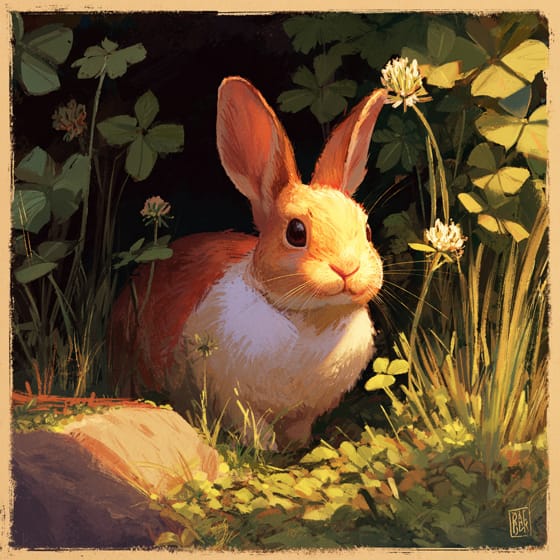
Oryctolagus cuniculus
Rabbits often graze its tender leaves.
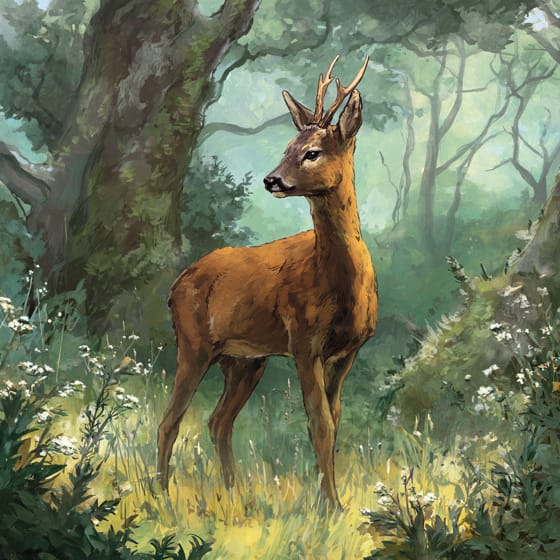
Capreolus capreolus
Deer browse its foliage.
Herbaceous plants are non-woody plants with soft stems that typically die back to the ground at the end of the growing season.
Aromatic plants produce and emit fragrant volatile organic compounds, often for defense or to attract pollinators.
Flowering plants are any plants that produce flowers as part of their reproductive cycle.
Biennial plants complete their life cycle over two growing seasons, typically forming foliage in the first year and flowering/seeding in the second.

Edible plants are those parts of a plant that are considered safe for human consumption.

Grassland habitats are terrestrial biomes dominated by grasses and herbaceous plants, supporting a variety of grazing animals.

Describes plants that are particularly attractive and beneficial to a wide range of pollinating organisms.
Danger
1/5 · Very low
Always check with an adult before picking or eating any plants.
The easiest way to identify Salad Burnet is to use the Snappit nature identifier app.
30-60 cm
30-45 cm
0.5-1 cm
Late spring to summer
Yes
None
Perennial
Zoom in to split clusters and explore where this object has been snapped.
Recent snaps will appear here as new observations are added.
Take the discovery with you
Snap it with Snappit to identify it, learn what makes it special, and add the discovery to your collection.








.jpg&width=800)



_001.jpg&width=800)



