





Santa Barbara sedge
Carex barbarae
Santa Barbara sedge is a lovely grass-like plant that grows in clumps. It has long, slender leaves and can be found near water, making it a special home for many little creatures.
Habitat: Wetlands
The Santa Barbara sedge has slender, arching leaves of vibrant green that form dense, grassy clumps. Its flower spikes are small and brownish-green, quite unlike the colorful blooms of typical garden flowers, blending subtly with its foliage.
Category
PlantsRarity
Common
Danger
1/5 · Very low
Snaps
Be the first to snap!
Did you know some sedges were used by Native Americans to weave incredibly strong baskets and mats?
Its triangular stems make it a sedge, not a grass! Roll one between your fingers to feel the difference.
Santa Barbara sedge is a wetland wonder, helping to create healthy ecosystems for many animals!
This plant can grow in sunny spots or partial shade, making it super adaptable to different environments!
This sedge can absorb excess water and nutrients, helping to naturally purify the water in its marshy homes.
Growing in thick clumps, this sedge provides excellent cover and shelter for many small creatures near water.
.jpg&width=800)
Microtus californicus
Provides safe hiding spots for voles.
Anas platyrhynchos
Offers cover for nesting birds near water.
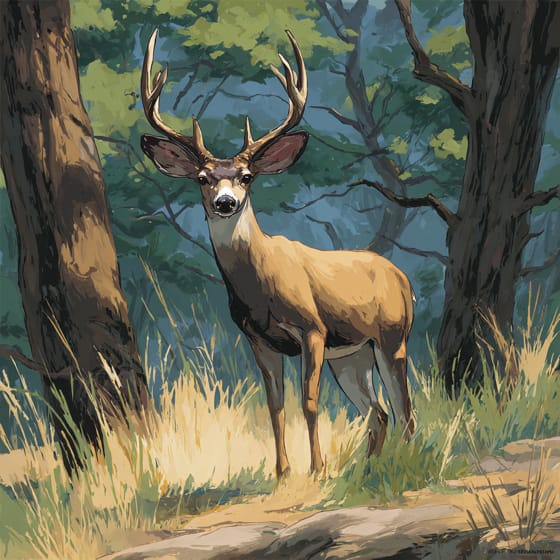
Odocoileus hemionus
Deer occasionally browse its green leaves.

Rana draytonii
Frogs hide in the dense foliage.
Grass-like plants are herbaceous plants that visually resemble true grasses, typically having long, narrow leaves.
Evergreen plants retain their foliage throughout the year, never shedding all their leaves at once.
Describes plants that are particularly attractive and beneficial to a wide range of pollinating organisms.
Describes organisms that break down dead organic material, recycling nutrients back into the ecosystem.

This habitat trait identifies species found in wetlands, which are areas of land saturated with water, either permanently or seasonally, including marshes, swamps, and bogs.

Describes a species whose presence and role have a disproportionately large effect on its environment.

Threatened status denotes a species likely to become endangered in the foreseeable future without effective conservation interventions.
No aliases listed yet.
Danger
1/5 · Very low
Always look but don't touch plants unless an adult says it's okay.
The easiest way to identify Santa Barbara sedge is to use the Snappit nature identifier app.
30-90 cm
30-60 cm
Spring to Early Summer
No
None
Perennial
Wind
Zoom in to split clusters and explore where this object has been snapped.
Recent snaps will appear here as new observations are added.
Take the discovery with you
Snap it with Snappit to identify it, learn what makes it special, and add the discovery to your collection.










.jpg&width=800)



_001.jpg&width=800)



