





scale-leaf junipers
Sabina
Scale-leaf junipers are small, bushy plants with soft, scale-like leaves. They are great for gardens and can grow in many places, making them a fun plant to discover!
Habitat: Mountain regions
The scale-leaf junipers has dense, often sharp, scale-like or awl-shaped leaves typically in shades of bluish-green or dark green. Its branches can grow as low-spreading mats or upright into small, conical trees, often with reddish-brown, peeling bark.
Category
PlantsRarity
Common
Danger
1/5 · Very low
Snaps
Be the first to snap!
Ancient cultures burned juniper to purify air and for spiritual ceremonies.
Juniper "berries" aren't true berries; they're tiny, modified cones!
Juniper wood has a unique, pleasant scent that repels insects, even after being cut.
Some juniper trees can live for over 2,000 years, making them ancient giants!
scale-leaf junipers has tiny, tough, waxy leaves that help it survive in dry places and protect against water loss.
scale-leaf junipers can grow in poor, rocky soils that other plants avoid, helping it thrive where competition is low.
scale-leaf junipers keeps its leaves all year, allowing it to make food even in winter when other plants are bare.
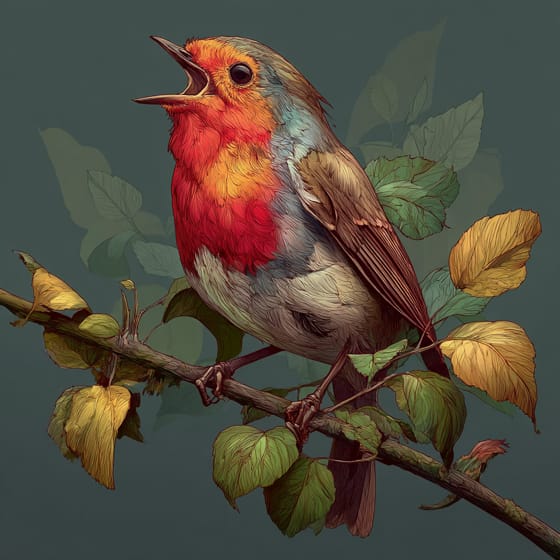
Turdus migratorius
eats the nutritious, berry-like cones
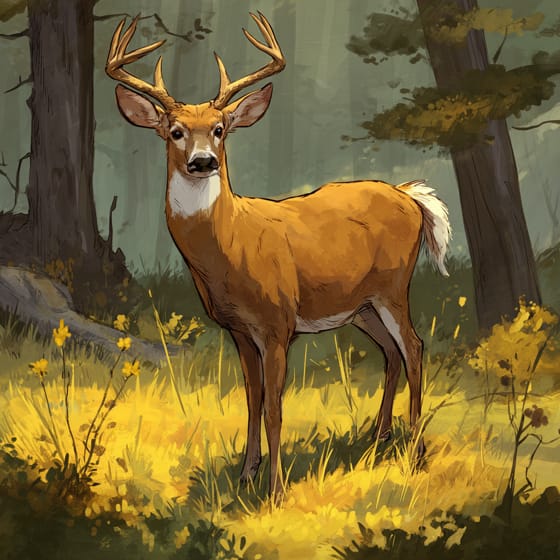
Odocoileus virginianus
browses the evergreen foliage in winter
Myiarchus crinitus
nests in the dense branches for protection
Phomopsis juniperovora
a fungus causing disease in branches and needles
Aromatic plants produce and emit fragrant volatile organic compounds, often for defense or to attract pollinators.
A shrub is a woody plant smaller than a tree, typically with multiple stems branching from or near the ground.
Evergreen plants retain their foliage throughout the year, never shedding all their leaves at once.
Fragrant flowers emit a pleasant aroma, often to attract pollinators or for defense.

Fruit-bearing plants produce fruits, which are the mature ovaries of flowering plants containing seeds.

Drought-tolerant plants can survive and flourish in conditions with limited water availability.

This habitat trait identifies species found in mountainous regions, characterized by high elevation, steep slopes, and varying climate zones.

This trait characterizes organisms with an exceptionally long lifespan compared to others of their kind.

Describes a species whose presence and role have a disproportionately large effect on its environment.
No aliases listed yet.
Danger
1/5 · Very low
Always ask an adult before touching plants, just to be safe.
The easiest way to identify scale-leaf junipers is to use the Snappit nature identifier app.
50-500 cm
100-800 cm
No
Mild
Perennial
Wind
Mountain regions
Zoom in to split clusters and explore where this object has been snapped.
Recent snaps will appear here as new observations are added.
Take the discovery with you
Snap it with Snappit to identify it, learn what makes it special, and add the discovery to your collection.









.jpg&width=800)


_001.jpg&width=800)


