





Schoenoplectus Bulrushes
schoenoplectus
Schoenoplectus Bulrushes are tall, grass-like plants that grow in wet areas. They provide homes for many animals and help keep the water clean!
Habitat: Wetlands, marshes, and along the edges of lakes and rivers.
The Schoenoplectus Bulrushes has tall, smooth, rounded, green-blue stems that grow vertically from the water. Its leaves are often reduced to sheaths at the base, and small brownish flower clusters called spikelets appear near the stem's tip.
Category
PlantsRarity
Common
Danger
0/5 · No known danger
Snaps
Be the first to snap!
Ancient people wove sturdy mats and baskets from bulrush stems!
Bulrush roots help clean dirty water, acting like nature's living filter!
Many marsh birds build cozy, hidden nests deep within bulrush stands!
Some bulrush species have edible starchy rhizomes, a wild snack!
Schoenoplectus Bulrushes can purify water using its extensive root system, which helps clean their watery habitats.
Schoenoplectus Bulrushes has special air canals in its stems to deliver oxygen to its roots, helping it thrive in soggy soil.
Schoenoplectus Bulrushes has tough underground rhizomes that allow it to quickly colonize wet areas and prevent erosion.
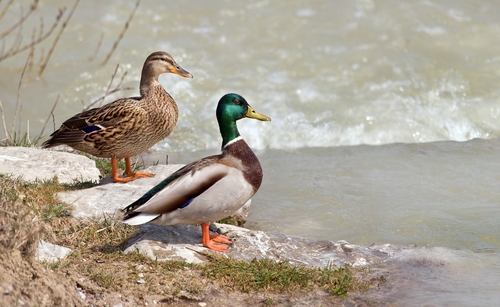
Anas platyrhynchos
Ducks eat the seeds and rhizomes.
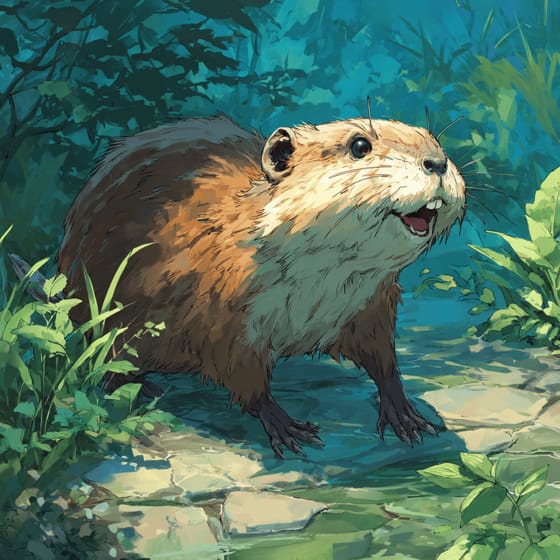
Ondatra zibethicus
Muskrats feed on bulrush stems and rhizomes.
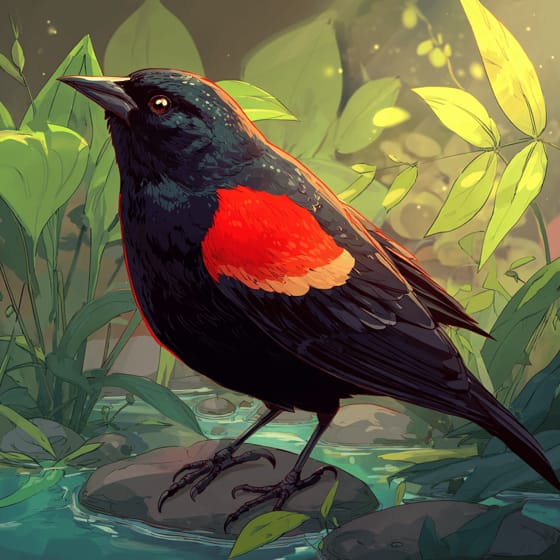
Agelaius phoeniceus
Birds build nests within dense bulrush stands.
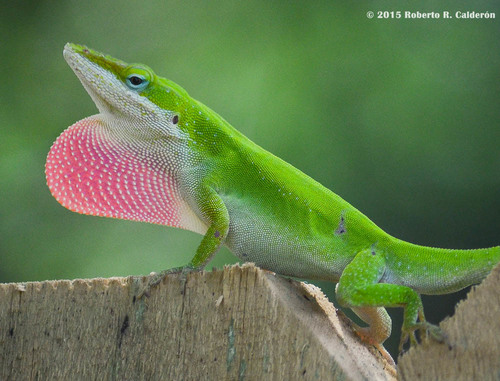
Hyla versicolor
Amphibians use bulrushes for hiding and hunting.
Social animals live in organized groups, cooperating for survival benefits such as foraging, defense, and raising offspring.
This trait characterizes organisms whose diet consists entirely or primarily of plant material.
Describes organisms that break down dead organic material, recycling nutrients back into the ecosystem.
Coastal habitats are dynamic environments located along the interface between land and sea, influenced by tides, waves, and saltwater.

Aquatic habitats encompass environments where organisms live predominantly in water, including oceans, rivers, lakes, and wetlands.
Danger
0/5 · No known danger
No special safety notes yet.
The easiest way to identify Schoenoplectus Bulrushes is to use the Snappit nature identifier app.
100-300 cm
30-100 cm
0.5-1.5 cm
Summer
Yes
None
Perennial
Zoom in to split clusters and explore where this object has been snapped.
Recent snaps will appear here as new observations are added.
Take the discovery with you
Snap it with Snappit to identify it, learn what makes it special, and add the discovery to your collection.









.jpg&width=800)



_001.jpg&width=800)




