




Sea Sandwort
Honckenya peploides
Sea Sandwort is a special plant that grows by the beach! It has small, green leaves and can survive in sandy places where few other plants can grow.
Habitat: Coastal areas
The Sea Sandwort has fleshy, bright green, egg-shaped leaves that grow in opposite pairs on creeping stems. Its tiny, star-shaped flowers are usually greenish-white or pale pink, appearing singly or in small clusters. It often forms dense, low-lying mats on sandy shores.
Category
PlantsRarity
Common
Danger
1/5 · Very low
Snaps
2
Ancient sailors ate Sea Sandwort to prevent scurvy, thanks to its high Vitamin C!
It can grow in very salty beach conditions where most other plants simply cannot survive.
Its seeds can float on ocean currents, helping the plant spread to new beaches afar!
This hardy plant creates its own mini-ecosystem, helping other life survive on dunes.
Sea Sandwort has thick, waxy leaves that help it store freshwater and block salty winds, protecting it from dehydration.
Sea Sandwort can grow long, deep roots and underground stems (rhizomes) to anchor itself firmly, even in shifting sands.
This plant can sprout new shoots from buried stems, allowing it to survive being covered by sand and grow upwards.
Bombus terrestris
Feeds on nectar, aiding reproduction.
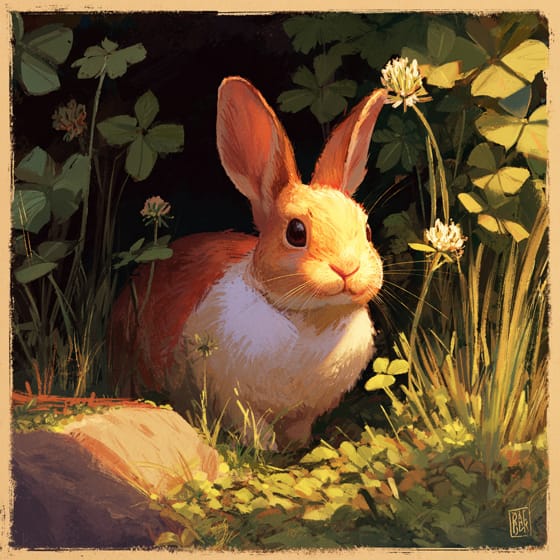
Oryctolagus cuniculus
Rabbits graze on its leaves and shoots.
Elymus repens
Often grows alongside, stabilizing dunes together.
Flowering plants are any plants that produce flowers as part of their reproductive cycle.
Summer blooming plants produce their flowers during the summer season, often providing vibrant color when many other plants have finished.
Salt tolerant plants can withstand and grow in conditions with elevated salinity levels in the soil or water.
Drought-tolerant plants can survive and flourish in conditions with limited water availability.

Edible plants are those parts of a plant that are considered safe for human consumption.

Describes plants that are particularly attractive and beneficial to a wide range of pollinating organisms.

Coastal habitats are dynamic environments located along the interface between land and sea, influenced by tides, waves, and saltwater.

Describes a species whose presence and role have a disproportionately large effect on its environment.
No aliases listed yet.
Danger
1/5 · Very low
Always stay on paths and don't pick plants without asking an adult.
The easiest way to identify Sea Sandwort is to use the Snappit nature identifier app.
10-30 cm
30-100 cm
0.5-1 cm
Late spring to late summer
Yes
None
Perennial
Zoom in to split clusters and explore where this object has been snapped.
Take the discovery with you
Snap it with Snappit to identify it, learn what makes it special, and add the discovery to your collection.









.jpg&width=800)



_001.jpg&width=800)



