





Seaside Grasshopper
Trimerotropis maritima
The Seaside Grasshopper is a small, jumping insect that loves sandy beaches and coastal areas. With its green and brown colors, it blends in well with the grass and plants around it.
Habitat: Coastal areas
The Seaside Grasshopper is typically mottled grey or sandy brown, expertly camouflaged to blend with beaches and dunes. It has large, dark eyes and powerful, striped hind legs, making it visually distinct from greener inland grasshoppers.
Category
InsectsRarity
Common
Danger
1/5 · Very low
Snaps
2
Seaside grasshoppers are well-adapted to salty sea air, unlike many other insects.
Some can subtly shift their body color to perfectly match the local sand!
Their ears are not on their head, but actually located on their abdomen!
They bask in the sun on warm sand to get enough energy for jumping and flying.
Seaside Grasshopper has mottled sandy coloration that helps them perfectly blend into beach environments, making them incredibly hard to spot.
Seaside Grasshopper can propel itself vast distances with powerful hind legs because of specialized muscles, escaping predators with astonishing speed.
Seaside Grasshopper has fully developed wings that help them fly short distances, crucial for escaping high tides or finding new feeding grounds.
Seaside Grasshopper can create chirping sounds by rubbing its legs and wings together, which helps them attract mates and communicate with others.
They munch on tough coastal plants, getting all the nutrients they need from nature.
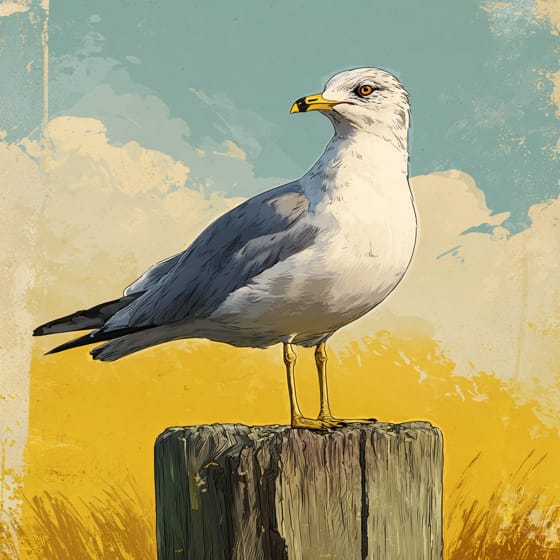
Larus delawarensis
Gulls often patrol beaches for insects.
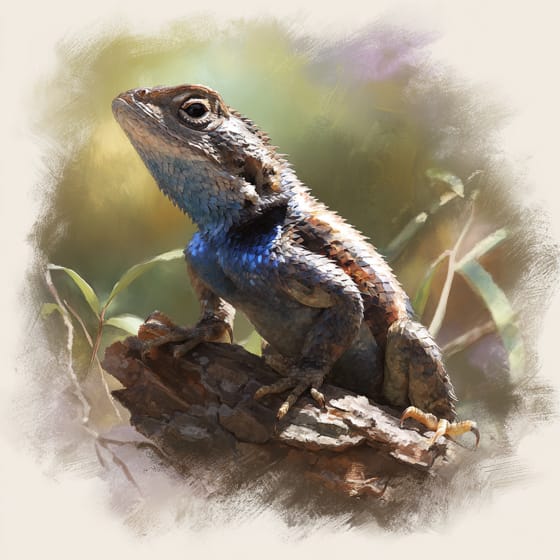
Sceloporus undulatus
Lizards commonly hunt insects in coastal scrub.
Ammophila breviligulata
Provides vital food and shelter in dune ecosystems.
Cakile edentula
A common coastal plant serving as a food source.
Solitary animals live alone for most of their lives, only interacting with others for mating or parental care.
Camouflaged describes organisms that possess coloring or patterns that allow them to blend into their environment.
This trait characterizes organisms whose diet consists entirely or primarily of plant material.
Coastal habitats are dynamic environments located along the interface between land and sea, influenced by tides, waves, and saltwater.

Diurnal animals are primarily active during daylight hours, typically resting or sleeping at night.

This trait identifies organisms that exhibit exceptional swiftness in movement for hunting, escape, or travel.

Describes organisms that transfer pollen, enabling the fertilization and reproduction of plants.
No aliases listed yet.
Danger
1/5 · Very low
Grasshoppers are safe to watch, but it's best not to touch them too much.
The easiest way to identify Seaside Grasshopper is to use the Snappit nature identifier app.
30-50 mm
20-35 mm
60-120 days
They munch on tough coastal plants, getting all the nutrients they need from nature.
Coastal areas
Grazing
6
Zoom in to split clusters and explore where this object has been snapped.

Nebraska, US
You might spot Purple Martin, Prairie Rattlesnake, and Lesser Scaup.
View guide →

US
You might spot Osprey, Laughing Gull, and Willet.
View guide →

Maryland, US
You might spot Seaside Dragonlet and Laughing Gull.
View guide →

Maryland, US
You might spot Domestic Horse, Sanderling, and Atlantic Ghost Crab.
View guide →
Take the discovery with you
Snap it with Snappit to identify it, learn what makes it special, and add the discovery to your collection.







.jpg&width=800)




