





sheep laurel
Kalmia angustifolia
Sheep laurel is a pretty shrub with lovely pink flowers that bloom in spring. It grows in cool, shady places and is a favorite of many little creatures in the forest.
Habitat: Wetlands
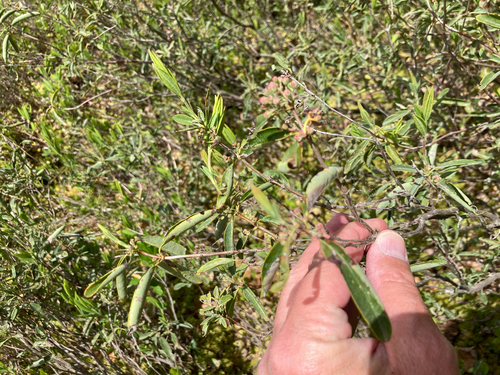
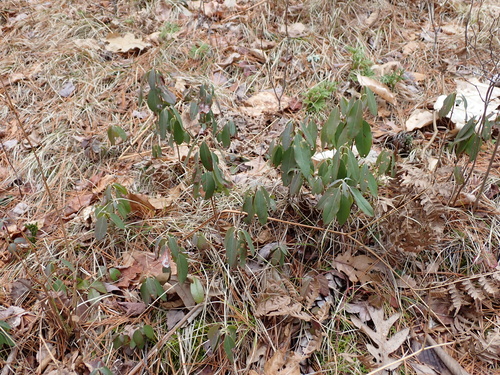
The sheep laurel is a small, upright evergreen shrub with narrow, leathery leaves that remain green year-round. It has clusters of distinct cup-shaped, bright pink to deep magenta flowers, making it visually stand out in its typically green or brown habitat.
Category
PlantsRarity
Common
Danger
3/5 · Moderate
Snaps
29
Early settlers sometimes used its strong, flexible wood to make small tools and handles!
Its unique 'spring-loaded' stamens snap open to dust pollinators with pollen!
Sheep laurel is an evergreen, keeping its leaves all winter long even in the snow!
The scientific name, Kalmia, honors a famous Swedish botanist named Pehr Kalm!
Sheep laurel produces toxic compounds called grayanotoxins that help it deter hungry herbivores from eating its leaves and stems.
Its tough, evergreen leaves allow it to photosynthesize and survive through cold winters when many other plants have lost their foliage.
The flowers have 'spring-loaded' stamens that snap open to fling pollen onto visiting insects, ensuring effective pollination.
Bombus impatiens
collects nectar and pollen
Apis mellifera
visits flowers for nectar
Chrysomela kalmiae
larvae and adults feed on leaves
Bell-shaped flowers possess petals fused or arranged to form a cup-like or campanulate structure resembling a bell.
Deciduous plants periodically shed all their leaves, typically during autumn or dry seasons.
Flowering plants are any plants that produce flowers as part of their reproductive cycle.
A shrub is a woody plant smaller than a tree, typically with multiple stems branching from or near the ground.

Spring blooming plants produce their flowers during the spring season, often signifying the end of winter and the start of new growth.

Describes plants that are particularly attractive and beneficial to a wide range of pollinating organisms.

Forest habitats are terrestrial environments dominated by dense tree cover, supporting a high diversity of plant and animal life.

This habitat trait identifies species found in wetlands, which are areas of land saturated with water, either permanently or seasonally, including marshes, swamps, and bogs.

Poisonous organisms produce toxins that can cause harm when ingested, inhaled, or absorbed through contact.
Danger
3/5 · Moderate
Do not touch or eat any part of the sheep laurel plant, as it can be harmful.
The easiest way to identify sheep laurel is to use the Snappit nature identifier app.
50-150 cm
50-150 cm
0.5-1 cm
Late spring to early summer
No
High
Perennial
Zoom in to split clusters and explore where this object has been snapped.
May 29, 2026
Lowell Holly ReservationPhoto attribution
(c) Jake McCumber, some rights reserved (CC BY)
License: CC BY 4.0 ↗
Image may be shown cropped inside the card frame.
Jan 14, 2026
Stony Brook Wildlife SanctuaryPhoto attribution
(c) John Baur, some rights reserved (CC BY)
License: CC BY 4.0 ↗
Image may be shown cropped inside the card frame.
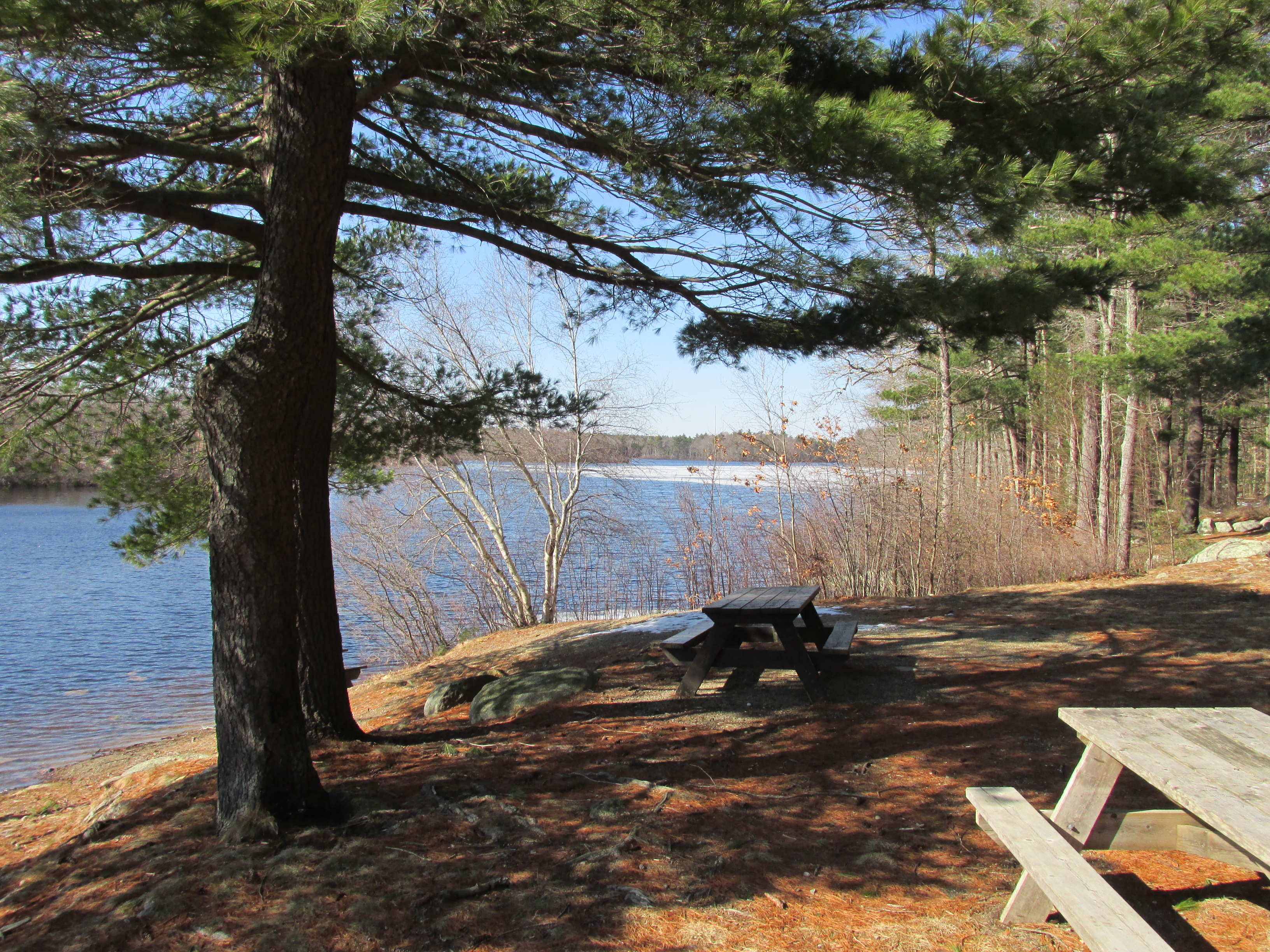
Massachusetts, US
You might spot Eastern White Pine and Common Eastern Bumble Bee.
View guide →

Maine, US
You might spot American Bullfrog and Three-Toothed Cinquefoil.
View guide →

Connecticut, US
You might spot Striped Wintergreen and Common Eastern Bumble Bee.
View guide →

New Hampshire, US
You might spot Eastern Red-Backed Salamander and Eastern Newt.
View guide →

Connecticut, US
You might spot Downy Woodpecker and Eastern Gray Squirrel.
View guide →

Maine, US
You might spot Rugosa Rose and European Green Crab.
View guide →
Take the discovery with you
Snap it with Snappit to identify it, learn what makes it special, and add the discovery to your collection.






.jpg&width=800)



_001.jpg&width=800)




