





Yaupon Holly
Ilex vomitoria
Yaupon Holly is a cheerful little shrub that has shiny green leaves and bright red berries. It can grow in many places and is loved by birds who eat its berries!
Habitat: Coastal areas
The Yaupon Holly is an evergreen shrub or small tree with small, glossy dark green oval leaves. Female plants bear abundant clusters of vibrant red, pearl-like berries that persist through winter, making it visually striking compared to deciduous plants.
Category
PlantsRarity
Common
Danger
2/5 · Low
Snaps
10
Wow! Ancient people brewed its leaves into a special caffeinated tea for ceremonies!
Wow! Despite its scientific name 'vomitoria,' the leaves for tea are perfectly safe and healthy!
Wow! It's the only plant native to North America that naturally contains caffeine!
Wow! Its berries are super shiny, making them easily visible to birds and people!
Yaupon Holly has bright red berries that hang on all winter, providing crucial food for birds when other sources are scarce.
Yaupon Holly can tolerate salty air and soil, helping it thrive near coasts where many plants struggle to grow.
Yaupon Holly has deep roots that help it find water in dry soil, letting it survive tough droughts.
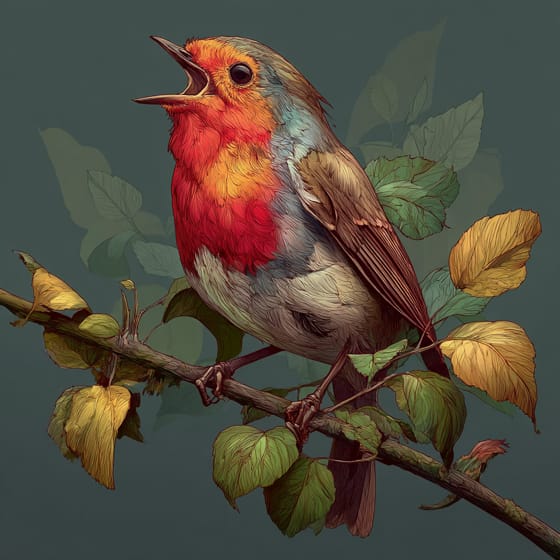
Turdus migratorius
Feeds on persistent red berries.
Apis mellifera
Collects nectar from its small flowers.
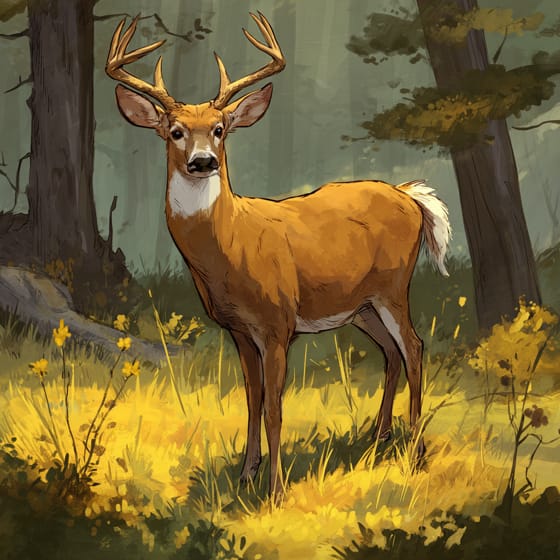
Odocoileus virginianus
Browses on its evergreen leaves.
A shrub is a woody plant smaller than a tree, typically with multiple stems branching from or near the ground.
Evergreen plants retain their foliage throughout the year, never shedding all their leaves at once.
Fruit-bearing plants produce fruits, which are the mature ovaries of flowering plants containing seeds.
Medicinal plants possess chemical compounds that can be used for therapeutic purposes to treat illnesses or maintain health.

Edible plants are those parts of a plant that are considered safe for human consumption.

Describes plants that are particularly attractive and beneficial to a wide range of pollinating organisms.

This trait characterizes organisms with an exceptionally long lifespan compared to others of their kind.

Coastal habitats are dynamic environments located along the interface between land and sea, influenced by tides, waves, and saltwater.
Danger
2/5 · Low
While the berries are pretty, they are not safe to eat. Always look but don't touch!
The easiest way to identify Yaupon Holly is to use the Snappit nature identifier app.
150-760 cm
300-450 cm
0.3-0.5 cm
Spring
Yes
Mild
Perennial
Zoom in to split clusters and explore where this object has been snapped.

South Carolina, US
You might spot American Alligator, Anole, and Great Blue Heron.
View guide →

US
You might spot Firewheel, Domestic Horse, and Atlantic Horseshoe Crab.
View guide →

Texas, US
You might spot Yaupon Holly, American Beautyberry, and Loblolly Pine.
View guide →
North Carolina, US
You might spot Sanderling, Laughing Gull, and Brown Pelican.
View guide →

North Carolina, US
You might spot Firewheel, Domestic Horse, and Atlantic Horseshoe Crab.
View guide →

Florida, US
You might spot Eastern Redcedar, Fetterbush Lyonia, and Virginia Creeper.
View guide →
Take the discovery with you
Snap it with Snappit to identify it, learn what makes it special, and add the discovery to your collection.









.jpg&width=800)



_001.jpg&width=800)

